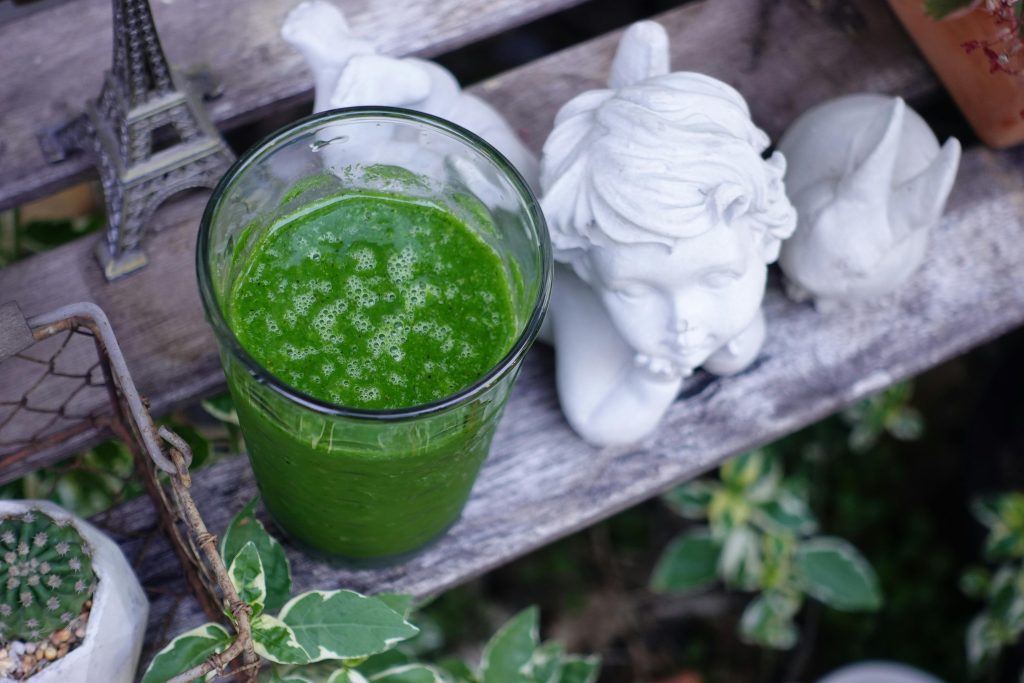
Are greens powders worth it for your health, or are they just expensive containers of overhyped dust? With prices ranging from £20 to £60 per tub and bold claims splashed across every wellness influencer’s Instagram feed, it’s a question that deserves a proper answer. The truth might surprise you—and it’s more nuanced than the marketing would have you believe.
📖 Reading time: 17 minutes
Picture this: You’re standing in your local health food shop on the high street, staring at a wall of vibrant green tubs promising everything from “increased energy” to “immune support” to “alkalizing your body.” The price tag makes you wince, but the testimonials seem compelling. Meanwhile, your diet could use some work—you know you’re not eating enough vegetables, and the convenience of mixing powder into water sounds far easier than chopping kale after a long workday. Sound familiar? You’re weighing up whether greens powders are worth it, and you’re far from alone in this dilemma.
What Actually Goes Into Greens Powders?
For more on this topic, you might enjoy: 7 Powerful Health Benefits of Berries That’ll Make You Rethink Your Fruit Bowl.
Before determining if greens powders are worth it, let’s examine what you’re actually getting. Most greens powders contain a blend of dehydrated and powdered vegetables, fruits, algae, grasses, and various plant extracts. A typical formulation might include:
- Leafy greens like spinach, kale, and wheatgrass
- Algae such as spirulina and chlorella
- Digestive enzymes and probiotics
- Antioxidant-rich fruits like acai and goji berries
- Adaptogenic herbs like ashwagandha or maca
- Fibre sources including inulin or flaxseed
The processing method matters significantly. When vegetables are dehydrated and powdered, some nutrients remain relatively stable—particularly minerals like iron, calcium, and magnesium. However, heat-sensitive vitamins like vitamin C and some B vitamins can degrade substantially during processing. According to NHS guidance on fruit and vegetable portions, fresh and frozen produce remain the gold standard for nutritional value.
Here’s what most people don’t realise: The actual amount of each ingredient in greens powders can be surprisingly small. A product might list 30 different superfoods, but each one could constitute just a fraction of a gram. When a serving contains 10 grams total and lists 25 ingredients, simple maths tells you that most are present in nearly homeopathic quantities.
Common Myths About Greens Powders
Related: Cold Showers and Ice Baths Transform Your Health in 30 Days.
Myth: Greens Powders Can Replace Fresh Vegetables
Reality: This is perhaps the most pervasive misconception about whether greens powders are worth it. No powder can truly replicate the nutritional complexity of whole vegetables. Fresh vegetables contain fibre in its natural matrix, which aids digestion and feeds beneficial gut bacteria in ways that processed fibres cannot match. They also provide water content, phytonutrients that work synergistically, and the simple act of chewing, which triggers digestive processes and promotes satiety. Think of greens powders as a supplement to—not a substitute for—actual vegetables on your plate.
Myth: All Greens Powders “Alkalize” Your Body
Reality: The alkaline diet theory behind many greens powder marketing claims doesn’t hold up to scientific scrutiny. Your body maintains blood pH within a very tight range (7.35-7.45) regardless of what you eat. If your blood pH changed significantly based on diet, you’d be in medical crisis, not optimal health. According to research from peer-reviewed studies in the BMJ, the “alkaline diet” concept lacks credible scientific support for most claimed benefits. Your kidneys and lungs regulate pH brilliantly without intervention.
Myth: More Ingredients Means Better Value
Reality: When evaluating if greens powders are worth it, ingredient count is misleading. A product boasting 50 ingredients sounds impressive until you realise each makes up barely 200mg of a 10g serving. You’d likely get more nutritional benefit from five high-quality ingredients in meaningful amounts than from 50 in trace quantities. Look for products with transparent labelling that shows exact amounts rather than hiding behind “proprietary blends.”
The Science: What Research Actually Shows About Greens Powders
You may also find this helpful: Foods to Improve Gut Health Naturally: Transform Your Digestion in Just 14 Days
So, are greens powders worth it from an evidence-based perspective? The research is limited but growing. A small study published in the Journal of the International Society of Sports Nutrition found that participants consuming a greens powder daily for three months showed modest improvements in blood antioxidant levels and blood pressure. However, the study was industry-funded and had a small sample size—always important caveats.
What we do know with more certainty is that many Britons fall short on vegetable intake. The National Diet and Nutrition Survey reveals that only about 30% of adults meet the recommended five-a-day target. In this context, even an imperfect vegetable supplement might provide some benefit for those struggling to eat enough fresh produce.
The question of whether greens powders are worth it becomes more interesting when you consider specific nutrients. B vitamins, for instance, remain relatively stable in powdered form. Many greens powders are also fortified with additional vitamins and minerals, essentially functioning as a multivitamin with added plant matter. For someone with genuine deficiencies, this supplementation could be beneficial.
However, British soil is notoriously low in selenium, and most greens powders don’t address this specific deficiency particularly well. Meanwhile, vitamin D—another common deficiency in the UK due to our limited sunshine—isn’t naturally present in green vegetables at all. Understanding what greens powders can and cannot provide helps determine if they’re worth it for your individual situation.
When Greens Powders Might Actually Be Worth It
Despite scepticism about overwrought marketing claims, there are legitimate scenarios where greens powders are worth it as part of a broader health strategy:
You’re travelling frequently: Maintaining vegetable intake while bouncing between hotels and motorway service stations is genuinely challenging. A greens powder in your luggage provides a convenient fallback option when fresh options are limited. It’s not ideal, but it’s better than going days with minimal plant intake.
You have specific digestive issues: Some people with conditions like IBS struggle with high-fibre vegetables but tolerate greens powders better, particularly those with added digestive enzymes and probiotics. The concentrated form might provide nutrients without triggering symptoms. Always consult with your GP or a registered dietitian before using supplements to manage medical conditions.
You genuinely dislike most vegetables: Let’s be honest—some adults never developed a taste for vegetables despite their best efforts. If you’re someone who gags at the sight of Brussels sprouts and can’t stomach salad, are greens powders worth it? Potentially yes, as an imperfect compromise. However, continuing to gradually expose yourself to different vegetables prepared in various ways remains worthwhile.
You’re in a temporary challenging situation: New parents, students during exam season, people caring for ill family members—life sometimes throws curveballs that make proper nutrition difficult. A greens powder during these periods can serve as nutritional insurance without adding to your mental load.
If you decide to try greens powders, you might find that mixing them is easier with a small blender bottle with a mixing ball. These inexpensive bottles help prevent clumping and make the powder more palatable—important because taste is genuinely the biggest complaint about these products.
The Financial Reality: Are Greens Powders Worth It for Your Budget?
Let’s talk money, because whether greens powders are worth it depends significantly on cost-benefit analysis. A mid-range greens powder typically costs £30-£45 for a 30-day supply. That’s roughly £1-£1.50 per serving.
For comparison, here’s what £1.50 could buy you at a typical UK supermarket:
- A whole bag of fresh spinach (approximately 3-4 portions)
- Two large carrots and a head of broccoli
- A punnet of cherry tomatoes
- Several portions of frozen mixed vegetables
From a pure nutrition-per-pound perspective, fresh and frozen vegetables win decisively. You’re getting more fibre, more volume, more variety, and arguably better nutrient bioavailability. However, this assumes you’ll actually prepare and eat those vegetables—and that’s where convenience enters the equation.
The question becomes: Is the convenience of mixing powder into water worth paying a premium? For some budgets, spending an extra £400-£500 annually on greens powder is feasible. For others, that money would be better allocated to higher-quality whole foods or other health priorities like gym membership or therapy.
Consider also the opportunity cost. If greens powder gives you psychological permission to skip vegetables entirely because you’ve “already had your greens,” then they’re definitely not worth it. But if they supplement an already vegetable-rich diet and provide peace of mind during hectic periods, the value proposition changes.
How to Choose a Greens Powder If You Decide They’re Worth It
Not all greens powders are created equal. If you’ve determined that greens powders are worth it for your circumstances, here’s what to look for:
Transparent labelling: Avoid products hiding behind “proprietary blends” without listing specific amounts. You deserve to know exactly what you’re consuming and in what quantities. Reputable brands provide full disclosure.
Third-party testing: Look for products tested by independent laboratories for purity and to verify they contain what the label claims. Contamination with heavy metals is a legitimate concern with some powdered supplements, particularly those containing algae or plants grown in polluted environments.
Minimal additives: Some greens powders contain more sweeteners, flavourings, and fillers than actual greens. Check the ingredients list—the greens themselves should dominate, not stevia, natural flavours, or maltodextrin.
Realistic claims: If a product promises to “detoxify” you, cure diseases, or dramatically transform your health overnight, run away. These red flags indicate marketing over substance. Greens powders worth it are positioned honestly as nutritional supplements, not miracle cures.
Organic certification: Given you’re consuming concentrated plant matter, organic certification provides some assurance about pesticide exposure. It’s not essential, but it’s a bonus if the price difference is reasonable.
Storage matters too. Once opened, greens powders can degrade relatively quickly when exposed to light, heat, and moisture. Keep them in a cool, dark cupboard with the lid tightly sealed, and use within a few months of opening for optimal freshness.
Your 30-Day Trial Plan: Testing If Greens Powders Are Worth It for You
The only way to truly determine if greens powders are worth it for your body and lifestyle is to run a proper trial. Here’s a structured approach:
- Week 1 – Baseline: Before starting any greens powder, track your current state. Note your energy levels at morning, afternoon, and evening. How’s your digestion? Your sleep quality? Your overall sense of wellbeing? Be honest about your current vegetable intake. Keep a simple journal—it needn’t be elaborate, just consistent.
- Week 2 – Introduction: Start with half the recommended serving of your chosen greens powder to let your digestive system adjust. Take it at the same time each day—many people find mornings work best. Continue tracking the same markers. Don’t change anything else about your routine; you want to isolate the variable.
- Week 3 – Full Dose: Increase to the full recommended serving. By now, you’ve overcome any initial taste aversion (it does get easier) and your gut has adjusted. Pay particular attention to energy levels, as this is when many people report noticing differences if they’re going to occur.
- Week 4 – Assessment: Compare your notes from Week 1 to Week 4. Are there measurable differences? Do you feel different in ways that matter to you? Be brutally honest—there’s no shame in concluding greens powders aren’t worth it for you personally. That’s valuable information too.
After your trial, make a decision: Continue, stop, or adjust. Perhaps you’ll find they’re worth it during busy weeks but unnecessary when you’re meal-prepping regularly. Maybe they work better as occasional insurance rather than daily routine. Personalisation is key.
Mistakes to Avoid (And How to Fix Them)
Mistake 1: Treating Greens Powders as a Vegetable Replacement
Why it’s a problem: When people convince themselves that their morning greens powder means they don’t need to eat actual vegetables, they’re missing out on fibre, water content, beneficial plant compounds that don’t survive processing, and the satisfaction of eating real food. This fundamentally misunderstands whether greens powders are worth it—they’re supplements, not substitutes.
What to do instead: View greens powder as insurance or a backup, not your primary vegetable source. Aim for at least three portions of whole vegetables daily alongside any powder you take. Make them complement each other rather than compete.
Mistake 2: Choosing Based on Instagram Marketing
Why it’s a problem: The greens powder industry spends heavily on influencer marketing. That glowing testimonial from a fitness influencer is likely sponsored content, not an objective assessment. Their “transformation” might have nothing to do with the powder and everything to do with their overall lifestyle, genetics, and possibly photo editing.
What to do instead: Research the actual ingredients and their quantities. Look for independent reviews from real customers, not sponsored posts. Check if any clinical studies exist for the specific product (not just general studies about greens). Evaluate whether greens powders are worth it based on evidence, not aesthetics.
Mistake 3: Expecting Immediate Dramatic Results
Why it’s a problem: Greens powders aren’t magic. They won’t transform your energy levels overnight or reverse years of nutritional neglect in a week. Unrealistic expectations lead to disappointment and potentially abandoning a supplement that might provide subtle but genuine benefits over time.
What to do instead: Approach with measured optimism. Look for modest improvements over weeks and months, not days. Better yet, view greens powders as one small piece of a larger health puzzle rather than a standalone solution.
Mistake 4: Ignoring Taste and Consequently Not Using Them
Why it’s a problem: Let’s not dance around this—most greens powders taste somewhere between “earthy” and “swamp water.” If you buy a large container, force down a few disgusting servings, then leave it gathering dust in your cupboard, the question of whether greens powders are worth it is answered with a resounding no.
What to do instead: Experiment with different mixing methods. Try blending into smoothies with banana and frozen berries. Mix with orange juice instead of water. Add to a protein shake where other flavours dominate. Start with a small container to test palatability before committing to bulk purchases. Some people find that adding powder to a shaker bottle with very cold water and ice makes it more tolerable.
Mistake 5: Forgetting About Interactions and Individual Needs
Why it’s a problem: Greens powders contain concentrated amounts of vitamin K, which can interfere with blood-thinning medications like warfarin. They may contain herbs that interact with other medications. People with kidney problems need to be cautious about potassium content. Determining if greens powders are worth it requires considering your individual health circumstances.
What to do instead: Discuss with your GP or pharmacist before starting any supplement, especially if you take medications or have existing health conditions. This isn’t being overly cautious—it’s being sensible.
Alternatives Worth Considering Before Buying Greens Powder
Before deciding if greens powders are worth it, consider these alternatives that might provide better value:
Frozen vegetable blends: Nutritionally comparable to fresh, often cheaper, with zero prep time. You can chuck frozen spinach into soups, smoothies, pasta sauces, and stir-fries without any chopping. A bag costs £1-£2 and provides multiple portions.
Vegetable-based soups: Making a large batch of vegetable soup on Sunday gives you multiple servings throughout the week. Even shop-bought vegetable soups (watch the sodium) provide more volume, fibre, and satisfaction than greens powder for comparable cost.
Smoothie packs: Prepare your own by portioning fresh spinach, kale, and frozen fruit into freezer bags. Each morning, dump one packet into a blender with liquid. You control ingredients and quality while maintaining convenience.
Simple vegetable snacks: Cherry tomatoes, baby carrots, and cucumber sticks require zero preparation. Keep them visible in your fridge. Sometimes the barrier isn’t cooking—it’s just remembering vegetables exist.
A quality multivitamin: If your goal is nutritional insurance rather than specifically consuming greens, a comprehensive multivitamin might provide more targeted supplementation at lower cost. It’s a different approach to the same underlying concern.
For many people, these alternatives answer the question of whether greens powders are worth it with a clear “no, there are better options.” But for others—particularly those who travel constantly or have specific tolerances—greens powders remain the most practical choice.
Quick Reference Checklist
- View greens powders as supplements to whole vegetables, never replacements
- Check for transparent labelling with specific ingredient amounts listed
- Look for third-party testing certification to ensure quality and purity
- Start with a small container to test taste and tolerability before bulk buying
- Track baseline measurements before starting to assess actual impact
- Calculate cost-per-serving and compare to fresh/frozen vegetable alternatives
- Discuss with your GP if you take medications or have health conditions
- Store in a cool, dark place with lid tightly sealed to maintain freshness
Frequently Asked Questions
Do greens powders actually work, or is it just expensive marketing?
The answer sits somewhere in the middle. Greens powders do contain genuine nutrients from vegetables, though processing reduces some vitamins, particularly heat-sensitive ones like vitamin C. Research shows modest improvements in antioxidant levels and blood pressure in some users, but studies are limited and often industry-funded. They’re not worthless, but they’re also not the transformative superfood that marketing suggests. Think of them as nutritional insurance—helpful in specific contexts, but not magical.
Can I just take greens powder instead of eating vegetables?
Absolutely not. Whole vegetables provide fibre in its natural matrix, water content, diverse phytonutrients that work synergistically, and the act of chewing, which aids digestion. Greens powders lack the volume and satiety of real food, contain processed rather than natural fibre, and miss many heat-sensitive nutrients lost during processing. They should supplement a diet containing whole vegetables, not replace them. Even the best greens powder is a poor substitute for the real thing.
Are greens powders worth the high price when I could buy fresh vegetables?
From a pure nutritional standpoint, fresh and frozen vegetables provide far better value—typically 10-20 times more produce for the same money. However, convenience has value too. If you’re someone who consistently fails to eat vegetables despite buying them, or you travel frequently for work, the convenience premium might be justified. Calculate what you’re actually spending on vegetables that rot in your fridge unused. For most people with stable routines and decent meal habits, the money is better spent on quality whole foods.
How long does it take to notice any benefits from greens powders?
Most people who report benefits notice subtle changes after 2-4 weeks of consistent daily use—things like slightly more stable energy, marginally better digestion, or modestly improved skin appearance. However, many people notice nothing at all, which doesn’t necessarily mean nothing is happening at a cellular level. Don’t expect dramatic overnight changes. If you’re going to assess whether greens powders are worth it for you, commit to at least a month of consistent use while tracking specific markers like energy levels, sleep quality, and digestive comfort.
Are there any people who should definitely avoid greens powders?
Yes. People taking blood-thinning medications like warfarin should be cautious due to high vitamin K content, which can interfere with medication effectiveness. Those with kidney disease need to watch potassium levels in greens powders. Anyone with allergies to specific plants should carefully check ingredients. Pregnant and breastfeeding women should consult their midwife or GP before adding supplements. Additionally, people with compromised immune systems should ensure products are tested for contamination. When in doubt, always discuss new supplements with your healthcare provider before starting.
The Bottom Line: Are Greens Powders Worth It?
After examining the evidence, cost, and practical realities, here’s the conclusion: Greens powders are worth it for some people in some situations, but they’re not the universal health solution that marketing would have you believe.
They make the most sense as convenient nutritional insurance during travel, hectic life periods, or for those who genuinely struggle to eat enough vegetables despite their best efforts. They’re not worth it if you’re expecting dramatic health transformations, if you see them as vegetable replacements, or if the cost significantly strains your budget when cheaper alternatives exist.
The most important takeaway? Greens powders are supplements—helpful additions to an already decent diet, not foundations of nutrition. No powder can replicate the complexity, satisfaction, and genuine health benefits of eating actual vegetables. Start with real food, consistently prepared and consumed. Then, if your lifestyle creates genuine gaps that greens powders specifically address, they might be worth the investment.
You don’t need perfection. You need consistency with whole foods and honest assessment of whether supplements like greens powders genuinely improve your life or just ease your conscience whilst your eating habits remain unchanged. Choose wisely, spend thoughtfully, and remember that the best nutritional strategy is the one you’ll actually maintain long-term.


