You’re lying in bed wondering why you’re exhausted despite eight hours under the covers. Your sleep tracker just told you something interesting: you were awake 47 times last night. The best sleep trackers reveal what’s happening beneath the surface of your rest, transforming vague tiredness into actionable insights that actually improve sleep quality.
Sound familiar? You set your alarm for 11pm, scroll your phone for “just five minutes”, and wake up groggy despite technically sleeping enough. Meanwhile, your colleague bounces into work claiming she feels amazing after six hours. What gives? The difference isn’t always about duration. It’s about quality, timing, and understanding what your body’s actually doing while you’re unconscious.
Common Myths About Sleep Trackers
Related reading: Evening Sleep Hygiene: The Bedtime Ritual That Actually Works.
Before we dive into which sleep trackers work best and how to actually use the data they collect, let’s address some persistent misconceptions.
Myth: Sleep trackers are just expensive gadgets that tell you what you already know
Reality: Quality sleep trackers reveal patterns you’d never spot on your own. That 3am bathroom trip you barely remember? Your tracker logs it. The restless tossing between sleep cycles? Recorded. Research from the Sleep Research Centre at Loughborough University shows that people typically overestimate their sleep quality by 30-40 minutes and underestimate nighttime awakenings. Sleep trackers fill the gap between perception and reality.
Myth: You need medical-grade equipment for accurate sleep data
Reality: Modern consumer sleep trackers have become remarkably accurate. A 2022 study comparing wearable sleep trackers to polysomnography (the gold standard sleep study) found that leading devices correctly identify sleep stages 85-90% of the time. That’s more than enough accuracy to spot trends and make meaningful improvements to your sleep quality.
Myth: More data means better sleep
Reality: Here’s the thing: obsessing over sleep metrics can actually worsen your rest. Sleep scientists have coined the term “orthosomnia” for people who become so fixated on achieving perfect sleep scores that the anxiety prevents quality sleep. The best approach? Track your sleep data for patterns, then use those insights to make one or two targeted changes at a time.
Types of Sleep Trackers Worth Considering
You might also enjoy: The Definitive Sleep Optimisation Guide: Transform Your Energy, Health and Performance.
Not all sleep trackers work the same way. Understanding what each type measures helps you choose the right one for your needs.
Wearable Sleep Trackers
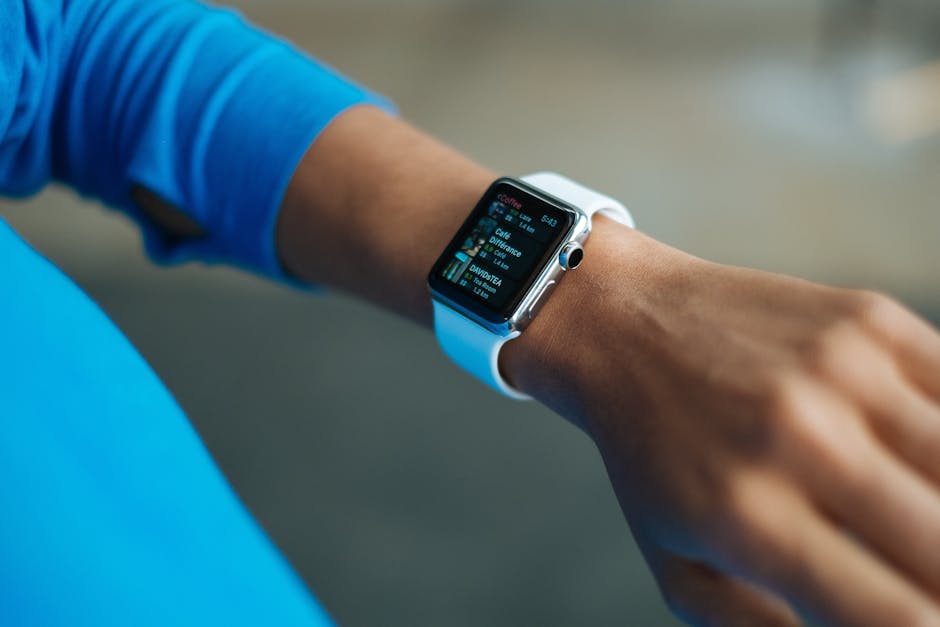
Wrist-worn fitness trackers and smartwatches represent the most popular category of sleep trackers. They measure movement through accelerometers and increasingly include heart rate monitoring, blood oxygen levels, and skin temperature.
What makes wearable sleep trackers effective is their ability to track multiple metrics simultaneously. When your heart rate drops and movement decreases, the device logs you as sleeping. As your heart rate variability changes throughout the night, it estimates which sleep stage you’re in.
The accuracy of wearable sleep trackers has improved dramatically. Devices with optical heart rate sensors can distinguish between light sleep, deep sleep, and REM sleep with reasonable precision. They’re particularly good at detecting when you’re awake versus asleep, which matters more for most people than knowing exactly which sleep stage they’re in.
Under-Mattress Sleep Monitors
These slim sensors slide beneath your mattress and track movement, breathing patterns, and sometimes heart rate through ballistocardiography. The advantage? No wearable required. You simply sleep normally while the device collects data.
Under-mattress sleep trackers excel at detecting breathing irregularities that might indicate sleep apnoea. According to NHS data, approximately 1.5 million UK adults have obstructive sleep apnoea, with many cases undiagnosed. A sleep tracker that flags unusual breathing patterns could prompt you to seek proper medical evaluation.
Smart Rings for Sleep Tracking
Compact and unobtrusive, smart rings pack impressive sensor technology into a small package. They measure body temperature, heart rate variability, and movement patterns. Many people find rings more comfortable for sleep tracking than wrist devices.
The best sleep trackers in ring form tend to excel at tracking recovery and readiness scores. By combining sleep data with resting heart rate and temperature variations, they indicate whether you’re well-rested enough for intense activity or need another recovery day.
Bedside Sleep Monitors
Sitting on your nightstand, these devices use radar or sonar technology to monitor breathing and movement without any physical contact. They’re ideal if you can’t tolerate wearing anything to bed or placing sensors under your mattress.
Some bedside sleep trackers also monitor bedroom environment: temperature, humidity, light levels, and noise. This environmental data often reveals surprising sleep disruptors you hadn’t considered.
What Sleep Data Actually Tells You (And What Matters Most)
Your sleep tracker spits out pages of graphs, percentages, and scores. But what does it all mean? More importantly, which metrics actually help improve sleep quality?
Sleep Stages: The Core Metrics
Sleep trackers typically report four categories: awake time, light sleep, deep sleep, and REM sleep. Understanding these stages helps you interpret your data.
Light sleep comprises about 50-60% of your night. It’s genuine rest where your body temperature drops and muscles relax, but you’re still fairly easy to wake. Deep sleep typically represents 15-25% of your total sleep time. This is when your body performs physical restoration: repairing tissues, strengthening immunity, and consolidating certain types of memory.
REM sleep usually makes up 20-25% of your night. Your brain becomes highly active, processing emotions and forming creative connections. Most vivid dreaming happens during REM sleep. Research from the Oxford Centre for Human Brain Activity shows that REM sleep plays a crucial role in emotional regulation and learning.
What really matters? The balance and consistency. Having roughly appropriate proportions of each sleep stage matters more than hitting some arbitrary “perfect” number. Your sleep tracker helps you spot patterns: are you getting hardly any deep sleep? Is your REM sleep concentrated in the early night rather than morning hours?
Sleep Disruptions and Awakenings
The best sleep trackers log how many times you wake during the night and how long you’re awake. Most people wake briefly 10-30 times per night without remembering it. That’s normal. What’s not normal is waking for extended periods or waking excessively more than your baseline.
Tracking sleep disruptions over weeks reveals patterns. Do you wake more on nights you eat late? After drinking alcohol? When your bedroom’s too warm? These connections aren’t always obvious without data to make them visible.
Heart Rate Variability During Sleep
Heart rate variability (HRV) measures the variation in time between heartbeats. Higher HRV generally indicates better recovery and less stress. During sleep, your HRV should increase as your parasympathetic nervous system (rest-and-digest mode) takes over.
Sleep trackers with HRV monitoring show whether you’re entering restorative sleep states. Consistently low HRV during sleep might indicate overtraining, illness brewing, or chronic stress affecting your recovery. This metric often predicts how you’ll feel tomorrow better than simple duration calculations.
Respiratory Rate and Blood Oxygen
Your breathing rate during sleep normally slows to 12-20 breaths per minute. Consistent deviations might flag respiratory issues. Blood oxygen sensors detect whether your oxygen saturation drops during the night, a potential sign of sleep apnoea or other breathing disorders.
These metrics matter more than many people realise. The NHS notes that untreated sleep apnoea significantly increases risk for high blood pressure, stroke, and heart disease. Sleep data showing concerning patterns should prompt a conversation with your GP.
Turning Sleep Data Into Better Rest: Your Action Plan
Collecting sleep data achieves nothing unless you act on it. Here’s how to transform numbers into tangible improvements to your sleep quality.
Week 1-2: Establish Your Baseline
Don’t change anything initially. Just track your sleep for two weeks using your chosen sleep tracker. Note your bedtime routine, caffeine intake, exercise timing, and evening activities in a simple journal or notes app.
This baseline period reveals your current patterns without the confusion of variables changing. You’ll see your natural sleep duration, typical time to fall asleep, and how your sleep stages distribute across the night.
Week 3: Identify One Clear Pattern
Review your sleep tracker data looking for correlations. Do you sleep better after morning workouts? Does late-night screen time correlate with longer time to fall asleep? Are you getting significantly less deep sleep on certain nights?
Pick the clearest pattern and test changing one variable. If your data suggests evening phone use affects your sleep, try putting devices away an hour earlier for one week. Track whether your sleep metrics improve.
Week 4: Optimize Your Sleep Environment
Many sleep trackers now include environmental monitoring. Use this data to optimize your bedroom conditions. Research from the Sleep Research Laboratory at Loughborough University indicates optimal sleep temperature sits between 16-19°C for most adults.
If your sleep tracker shows you’re restless when room temperature exceeds 20°C, invest in better ventilation or lighter bedding. Similarly, if data shows you wake frequently when ambient light increases in early morning, blackout curtains might be worth considering.
Week 5-6: Test Sleep Timing Adjustments
Your sleep tracker likely shows when you’re getting your deepest and most restorative sleep. If you’re consistently getting better quality rest in the first four hours after falling asleep, but struggling in the later hours, you might benefit from shifting your entire sleep schedule earlier.
Track what happens when you go to bed 30 minutes earlier for a week. Does your total deep sleep increase? Do you wake feeling more refreshed even if total sleep duration remains similar?
Month 2: Address Sleep Consistency
The best sleep trackers reveal something crucial: consistency matters enormously. Going to bed at 10pm Monday through Thursday, then 2am Friday and Saturday, then 9pm Sunday creates a form of social jet lag that disrupts your sleep quality all week.
Use your sleep data to identify how much variation exists in your sleep schedule. Work toward keeping bedtime and wake time within a 30-60 minute window, even on weekends. Your tracker will likely show significant improvements in sleep quality metrics as consistency increases.
What Sleep Data Reveals About Common Problems
Different sleep issues create distinct patterns in your tracking data. Learning to recognise these patterns helps you address the root cause rather than just symptoms.
The “I Slept Eight Hours But Feel Awful” Pattern
Your sleep tracker shows eight hours in bed but reveals you were awake for 90 minutes of that time, fragmented across dozens of brief awakenings. Your sleep efficiency (time asleep divided by time in bed) sits around 80-85% instead of the healthy 90%+.
This pattern often points to sleep disruptions you’re barely aware of: room temperature fluctuations, a snoring partner, traffic noise, or a full bladder from evening fluid intake. Addressing the specific disruptor your data highlights improves sleep quality more than simply spending more time in bed.
The “Can’t Fall Asleep” Pattern
Your sleep tracker consistently shows 45-60 minutes between getting into bed and actually falling asleep. Once asleep, your sleep stages look relatively normal, but you’re losing significant rest time at the beginning of the night.
This pattern often correlates with evening habits visible in your data timeline: caffeine after 2pm, intense exercise within three hours of bed, or extended screen time before attempting sleep. Your sleep tracker makes the connection visible even when you don’t consciously notice it.
The “Wake Too Early” Pattern
Sleep data shows you falling asleep fine but waking 4-5 hours later, unable to return to sleep. Your sleep tracker reveals most of your deep sleep occurs in those first few hours, with mainly light sleep afterward.
This pattern sometimes indicates stress-related cortisol spikes. It can also reveal that you’re actually getting enough sleep in those 5-6 hours, and your body naturally wakes when it’s done. Alternatively, it might show environmental factors (light, temperature, noise) changing around that wake time.
The “Insufficient Deep Sleep” Pattern
Your sleep tracker shows you’re only getting 30-45 minutes of deep sleep per night (compared to the typical 90-120 minutes). You wake feeling unrefreshed even after adequate total sleep time.
Alcohol consumption reliably destroys deep sleep while making it easier to fall asleep initially. Your sleep data will clearly show this trade-off if you track nights with and without alcohol. Other factors affecting deep sleep include room temperature, stress levels, and exercise timing. The best sleep trackers help you identify which variable matters most for your situation.
Advanced Sleep Tracking Strategies
Once you’ve mastered the basics of using sleep data, these advanced strategies extract even more value from your sleep tracker.
Cross-Reference with Energy and Mood
Add a simple daily note in your phone rating your energy (1-10) and mood each morning. After a month, compare these ratings against your sleep tracker data. You might discover that seven hours with 90 minutes of deep sleep leaves you feeling better than eight hours with only 60 minutes of deep sleep.
This personalised correlation between sleep metrics and how you actually feel matters more than hitting some generic target. Your optimal sleep looks different from someone else’s, and only data can reveal what works specifically for you.
Track Recovery After Poor Sleep
Everyone has rough nights. What your sleep tracker can reveal is how quickly you recover. Do you naturally bounce back after one night of good sleep, or does poor sleep cascade into multiple bad nights?
Understanding your recovery pattern helps you plan important activities. If your data shows you need two nights to fully recover from sleep deprivation, you’ll schedule crucial presentations or physically demanding activities accordingly.
Experiment With Sleep Supplements and Aids
Considering magnesium supplements for sleep? Wondering if that weighted blanket actually helps? Your sleep tracker provides objective data to test these interventions.
Try any sleep aid for at least two weeks while tracking results. Compare your sleep metrics before and after. Many interventions that feel helpful don’t actually show improvements in tracked data, while others create measurable changes you might not consciously notice.
Monitor Long-Term Trends
The real power of sleep trackers emerges over months and years. Seasonal patterns become visible: perhaps you naturally sleep longer in winter. Life changes show clear effects: that new medication, job change, or house move all leave signatures in your sleep data.
Reviewing quarterly trends helps you understand what sustainably improves sleep quality versus short-term fixes that don’t last. The best sleep trackers maintain historical data showing whether changes you made six months ago still provide benefits or if you’ve slipped back into old patterns.
Mistakes to Avoid (And How to Fix Them)
Even with the best sleep tracker, certain mistakes undermine your efforts to improve sleep quality.
Mistake 1: Obsessing Over Nightly Variations
Why it’s a problem: One bad night doesn’t define your sleep health. Fixating on yesterday’s poor scores creates anxiety that actually worsens tonight’s sleep. This becomes a self-fulfilling cycle where worry about sleep prevents quality sleep.
What to do instead: Review your sleep tracker data weekly, not daily. Look for patterns across 5-7 nights rather than reacting to individual nights. Set a specific day each week to check your trends and make adjustments if needed.
Mistake 2: Chasing Perfect Scores
Why it’s a problem: Sleep tracker scores use algorithms that might not match what optimal sleep looks like for your individual physiology. Someone naturally getting 7 hours of quality sleep might never hit the “perfect” 8-hour target their tracker suggests.
What to do instead: Focus on how you feel and function during the day, not arbitrary scores. Use sleep data to improve outcomes (energy, mood, performance) rather than to achieve some abstract perfect number. Your personal best matters more than generic ideals.
Mistake 3: Ignoring Obvious Patterns
Why it’s a problem: Your sleep tracker clearly shows you sleep poorly every single night after consuming alcohol, yet you continue weekend drinking because you don’t want to accept the connection. Data only helps when you act on it.
What to do instead: Pick the single clearest correlation your sleep data reveals and address it, even if it requires uncomfortable changes. Test the change for three weeks. Most people find that objectively better sleep outweighs whatever they gave up to achieve it.
Mistake 4: Wearing Uncomfortable Devices
Why it’s a problem: A bulky fitness watch that irritates your wrist or a chest strap that feels restrictive creates its own sleep disruption. You can’t track natural sleep when the tracking device prevents natural sleep.
What to do instead: Choose sleep trackers you genuinely forget you’re wearing. If wrist devices bother you, consider a smart ring or under-mattress monitor. Comfort matters more than having every possible metric. Consistent tracking with fewer metrics beats sporadic tracking with comprehensive data.
Mistake 5: Failing to Test Changes Systematically
Why it’s a problem: You simultaneously change your bedtime, start taking magnesium, buy blackout curtains, and quit evening coffee. Your sleep improves, but you have no idea which change actually made the difference.
What to do instead: Change one variable at a time for at least two weeks while your sleep tracker collects data. This systematic approach reveals what actually works versus what wastes money and effort. Create a simple log noting when you implement each change.
Your Sleep Tracking Essentials
Save this checklist for quick reference as you use sleep data to improve your rest:
- Track consistently for two weeks before making any changes to establish baseline patterns
- Review sleep data weekly, not daily, to identify meaningful trends without obsessing over individual nights
- Focus first on sleep timing consistency—keep bedtime and wake time within a 30-60 minute window
- Optimize your bedroom environment based on what your tracker reveals about temperature and disruptions
- Test one change at a time for minimum two weeks to identify what actually improves your sleep quality
- Prioritise how you feel during the day over achieving perfect tracker scores at night
- Note correlations between daytime habits (caffeine, exercise, stress) and nighttime sleep metrics
- Address any concerning patterns like breathing irregularities or extremely low deep sleep with your GP
Frequently Asked Questions
How accurate are consumer sleep trackers compared to medical sleep studies?
Modern sleep trackers achieve 85-90% accuracy for detecting sleep versus wake states and identifying major sleep stages when compared to polysomnography. That’s sufficient accuracy for spotting patterns and tracking improvements. However, if your sleep tracker reveals concerning patterns like frequent breathing interruptions or extremely fragmented sleep, consult your GP rather than relying solely on consumer devices for diagnosis. The NHS provides guidance on when to seek professional help for sleep disorders.
Will wearing a sleep tracker actually improve my sleep or just make me anxious?
Research shows it depends entirely on how you use the data. People who track sleep data weekly, make gradual changes based on clear patterns, and focus on trends rather than nightly scores typically see improvements. Those who obsessively check every morning and fixate on achieving perfect metrics often experience worse sleep due to performance anxiety. The key is maintaining perspective: your sleep tracker provides information for decision-making, not a scorecard judging your worth.
How long should I track my sleep before the data becomes useful?
Two weeks of baseline tracking reveals your current patterns and typical variations. Four to six weeks shows whether changes you implement actually improve metrics. Three to six months of data reveals seasonal patterns and whether improvements sustain over time. The best sleep trackers maintain historical data for years, letting you spot long-term trends and seasonal variations you’d never notice otherwise.
Do I need to wear my sleep tracker every single night?
Consistent tracking provides better data, but missing occasional nights won’t ruin your insights. Aim for tracking at least five nights per week to maintain useful patterns. Many people track Sunday through Thursday nights religiously but skip Friday and Saturday when their routine changes. This still provides enough data to guide improvements while allowing flexibility for special occasions or simply nights when you don’t want to wear a device.
What should I do if my sleep tracker shows I’m barely getting any deep sleep?
First, verify the pattern persists for at least two weeks, as deep sleep naturally varies night to night. If consistently low, examine factors that specifically disrupt deep sleep: alcohol consumption (even one drink reduces deep sleep significantly), bedroom temperature above 20°C, high stress levels, or irregular sleep schedules. The first half of the night typically contains most deep sleep, so late bedtimes literally cut into your deep sleep window. Experiment with going to bed 30-60 minutes earlier for two weeks and compare your sleep tracker data. If problems persist despite addressing these factors, discuss your sleep data with your GP, as certain medical conditions and medications affect deep sleep architecture.
The Bottom Line on Sleep Trackers
The best sleep trackers transform vague tiredness into specific, actionable insights. You’re not just guessing anymore about whether that evening coffee affects you or if your weekend lie-ins actually help. The data shows you clearly, removing the guesswork from improving sleep quality.
Start simple. Track for two weeks without changing anything. Identify one clear pattern. Test one adjustment. Review the results. That’s it.
Perfect sleep doesn’t exist. Better sleep absolutely does. Your sleep tracker reveals the path from where you are to where you want to be. The only question is whether you’ll follow what the data shows you.
Your next move? Pick your sleep tracker. Put it on tonight. See what you discover in two weeks. That’s where real change begins.


