You’re staring at the clock. Seven minutes until you need to leave. Your stomach is already grumbling, and you know skipping breakfast means you’ll be face-down in the biscuit tin by 11am. High protein breakfast recipes that take 10 minutes or less sound like fantasy, don’t they? They’re not. And they don’t require culinary wizardry or a cupboard full of exotic ingredients.
Picture this scenario: It’s Tuesday morning. You’ve already hit snooze twice. The idea of cracking eggs and washing pans feels about as appealing as a cold shower. Meanwhile, you know that grabbing a pastry from the petrol station means you’ll be starving and irritable before lunch. What you need are genuinely quick high protein breakfast recipes that actually keep you full. The kind that work on autopilot when your brain hasn’t fully switched on yet.
You may also enjoy: The Definitive Guide to Protein Nutrition: Build Strength, Support Recovery, and Optimise Your Health
Common Myths About Quick High Protein Breakfasts
Myth: High protein breakfast recipes always require cooking
Reality: Some of the most effective high protein breakfast options require zero heat whatsoever. Greek yogurt with nuts delivers 20-25g of protein without touching a hob. Overnight oats prepared the night before give you a grab-and-go option that beats most cooked breakfasts nutritionally. According to NHS guidelines on balanced eating, protein at breakfast helps maintain steady blood sugar throughout the morning, regardless of whether it’s hot or cold.
Myth: You need expensive protein powders
Reality: Real food sources often work better and cost less. Two eggs cost roughly 40p and deliver 12g of protein. A tin of sardines gives you 23g for under £1. Cottage cheese, tinned tuna, and natural peanut butter all provide substantial protein without the premium price tag of supplements. Whole food sources also bring vitamins, minerals, and satisfaction that isolated protein can’t match.
Myth: Quick means unhealthy
Reality: Speed doesn’t determine nutritional value. A scrambled egg takes three minutes and provides high-quality protein, healthy fats, and essential nutrients like choline and vitamin D. Compare that to a bowl of sugary cereal that takes the same time but leaves you hungry an hour later. Research from the British Journal of Nutrition shows that protein-rich breakfasts improve satiety and reduce overall calorie intake throughout the day.
Why High Protein Breakfast Recipes Actually Matter
Let’s talk about what happens when you start your day with adequate protein. Your blood sugar stays stable instead of spiking and crashing. You feel satisfied for 3-4 hours rather than reaching for snacks by mid-morning. Muscle recovery from yesterday’s workout gets the amino acids it needs. Mental clarity improves because your brain isn’t running on fumes.
Aim for 20-30g of protein at breakfast. That’s the sweet spot where most people notice genuine differences in hunger and energy. For context, a single egg provides about 6g, Greek yogurt offers 10g per 100g, and a palm-sized portion of salmon delivers roughly 20g.
British adults often fall short on breakfast protein, loading up on toast and cereal instead. Nothing wrong with carbohydrates, but without protein to balance them, you’re setting yourself up for energy crashes. Adding protein doesn’t mean eliminating what you enjoy. It means enhancing it.
The Fastest High Protein Breakfast Recipes That Work
Scrambled Eggs with Smoked Salmon (3 minutes)
Crack two eggs into a bowl, whisk briefly with a fork, and pour into a non-stick pan over medium heat. Stir gently for 90 seconds until just set. Pile onto toast and top with torn smoked salmon. Total protein: 25g. Total time: under 3 minutes if you use pre-sliced salmon.
The trick is not overthinking it. Eggs cook fast. Stop while they’re still slightly glossy. They’ll finish cooking on the plate. This high protein breakfast recipe requires minimal washing up and tastes restaurant-quality.
Greek Yogurt Power Bowl (2 minutes)
Spoon 200g of full-fat Greek yogurt into a bowl. Top with a tablespoon of almond butter, a handful of berries, and a sprinkle of seeds. No cooking required. Protein count: 22g. Prep time: literally two minutes.
Greek yogurt is your secret weapon for rushed mornings. Look for varieties with 5-10g protein per 100g. Fage and other authentic Greek brands deliver more protein than standard yogurts. The fat content keeps you satisfied longer, and berries provide fiber without excess sugar.
Cottage Cheese on Toast with Everything (4 minutes)
Toast two slices of whole grain bread. Pile on 150g cottage cheese. Add cherry tomatoes, cucumber slices, and a crack of black pepper. Protein delivered: 20g. Complexity level: absolute beginner.
Cottage cheese divides opinion, admittedly. But if you can get past the texture, it’s one of the most protein-dense, budget-friendly options available. Try it on warm toast where it melts slightly. Game changer.
Protein Pancakes (6 minutes)
Mash one ripe banana in a bowl. Crack in two eggs and mix until combined. Pour small circles into a hot non-stick pan. Flip after 2 minutes, cook another minute. Serve with berries. Protein: 12g. Time investment: 6 minutes including cooking.
These aren’t fluffy American-style pancakes. They’re dense, satisfying, and naturally sweet. The texture takes getting used to, but they’re genuinely filling. Make a double batch and reheat throughout the week in the toaster.
Peanut Butter Protein Smoothie (3 minutes)
Blend one banana, one tablespoon natural peanut butter, 200ml milk (dairy or soy for protein), and a handful of spinach if you’re feeling ambitious. Drink immediately. Protein: 15-18g depending on milk choice. Cleanup: one cup and a blender.
Smoothies get skepticism as meal replacements, and rightfully so when they’re all fruit. Adding peanut butter and proper milk transforms them into legitimate high protein breakfast options. Soy milk delivers more protein than almond or oat varieties if you’re avoiding dairy.
Microwaved Egg Muffin (4 minutes)
Crack two eggs into a mug. Add chopped ham, grated cheese, and any vegetables you fancy. Whisk with a fork. Microwave for 90 seconds, stir, then another 60 seconds. Protein: 20g. Washing up: one mug and one fork.
This feels ridiculous until you try it. The texture won’t win awards, but for busy mornings when you literally have four minutes, it works brilliantly. Use a large mug to prevent overflow and stop cooking while it’s slightly wet in the center.
Strategic Prep That Makes Morning Protein Effortless
Real talk: even 10-minute high protein breakfast recipes feel impossible when you’re rushing. Strategic preparation bridges the gap between intention and execution.
Sunday Evening Prep Session (20 minutes total)
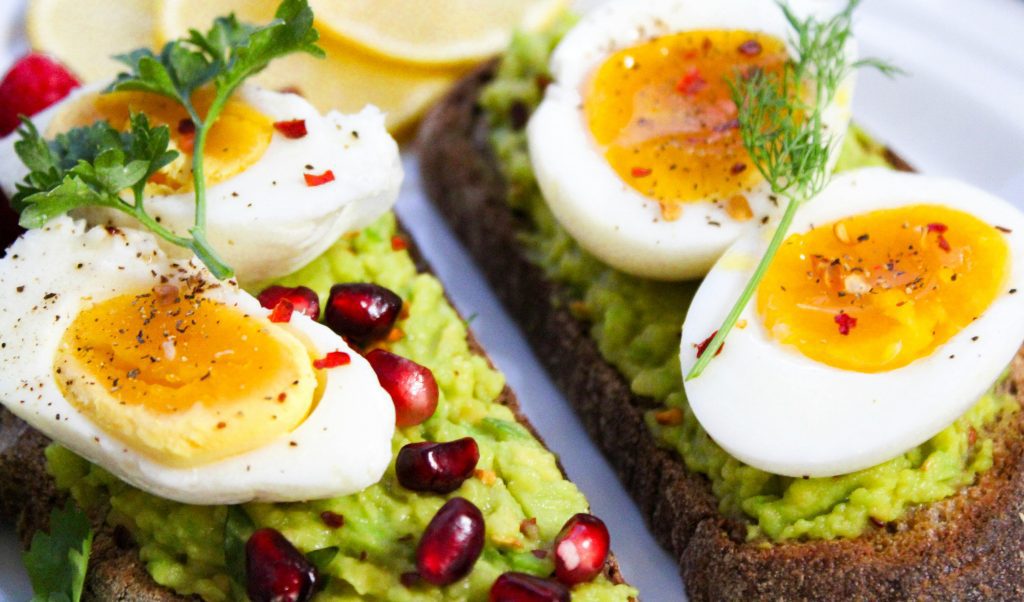
Boil a dozen eggs. They’ll keep for a week in the fridge. Peel two each morning, slice them onto toast with avocado, and you’ve got 12g protein in under two minutes. Having something like a simple egg slicer speeds up the process, though a knife works perfectly fine.
Portion out Greek yogurt into individual containers with nuts and seeds already mixed in. Grab one container, add fresh fruit, done. Five days of breakfast prepared in fifteen minutes.
Cook a tray of bacon until crispy. Store in the fridge between sheets of kitchen paper. Reheat two rashers in the microwave for 30 seconds each morning alongside scrambled eggs. Bacon doesn’t need to be a weekend luxury.
Smart Freezer Strategies
Make a triple batch of those banana egg pancakes. Freeze them individually between sheets of baking paper. Toast them straight from frozen for 2-3 minutes. Suddenly you’ve got fresh-tasting pancakes faster than pouring cereal.
Portion cooked sausages into freezer bags. Microwave two for 90 seconds while your eggs cook. Protein boost with zero morning effort.
Pantry Staples That Save Time
Tinned fish gets overlooked as a breakfast option, but sardines on toast deliver 23g protein in under five minutes. Mackerel fillets work beautifully with scrambled eggs. Both keep indefinitely in the cupboard and cost less than fresh fish.
Bags of frozen berries mean you always have fruit for yogurt bowls without the “went moldy three days ago” disappointment. Frozen spinach can be stirred directly into scrambled eggs while they cook, adding nutrients without affecting taste.
Building High Protein Breakfast Recipes Around Your Schedule
Related reading: Cheap High Protein Dinner Recipes That Won’t Break the Bank
Not every morning looks the same. Match your breakfast strategy to your actual routine.
The “Literally Running Out The Door” Option (Under 2 minutes)
Hard-boiled eggs prepared Sunday. Grab two, plus a small bag of almonds. Eat in the car or at your desk. Protein: 18g. Preparation required that morning: opening the fridge.
Or keep single-serve pots of cottage cheese at work. Buy a box of oatcakes. Spread cottage cheese on three oatcakes. Protein: 15g. Time: ninety seconds.
The “Ten Minutes to Myself” Option
This is where those slightly more involved high protein breakfast recipes shine. Make proper scrambled eggs with cheese and mushrooms. Toast sourdough. Brew decent coffee. Sit down for eight minutes. Revolutionary concept, actually eating breakfast like a human rather than an animal fleeing predators.
Protein: 22g. Mental health benefit: immeasurable. Starting your day without chaos changes everything.
The Weekend Upgrade
Saturday mornings allow experimentation with high protein breakfast recipes that need more than 10 minutes. Make a proper frittata with vegetables and feta. Try protein-boosted French toast using egg-soaked bread. Cook a full English with extra eggs and lean sausages.
These extended versions remind you that breakfast can be genuinely enjoyable, not just functional fuel. They also help you identify favorite combinations to streamline for weekday speed.
Your 7-Day Quick Protein Breakfast Plan
Variety prevents breakfast burnout. Rotate through these options to maintain interest while hitting your protein targets.
- Monday: Start the week strong with scrambled eggs and smoked salmon on toast. Uses Sunday’s prepped eggs. Total time: 4 minutes including tea-making.
- Tuesday: Greek yogurt bowl with berries, almond butter, and pumpkin seeds. Zero cooking. Protein: 22g. Prep time: 2 minutes.
- Wednesday: Grab two hard-boiled eggs and a banana as you leave. Eat at your desk. Sometimes survival beats perfection.
- Thursday: Cottage cheese on toast with tomatoes and cucumber. Fresh vegetables make it feel virtuous. Time: 3 minutes.
- Friday: Celebrate the end of the week with protein pancakes and berries. Worth the 6-minute investment before the weekend.
- Saturday: Proper sit-down breakfast with eggs, bacon, mushrooms, and tomatoes. Take your time. Protein: 30g+.
- Sunday: Protein smoothie made while prepping the week’s hard-boiled eggs. Multitasking at its finest.
Adjust quantities based on your size and activity level. These portions suit most adults aiming for 20-25g protein per breakfast.
Mistakes to Avoid with Quick High Protein Breakfasts
Mistake 1: Relying exclusively on protein powder
Why it’s a problem: Supplements have their place, but whole foods provide fiber, vitamins, minerals, and genuine satiety that powder-spiked smoothies often lack. You’ll feel less satisfied and potentially hungry sooner.
What to do instead: Use real food as your foundation. If you want to add protein powder to oats or smoothies, fine, but don’t make it the primary source. Eggs, Greek yogurt, cottage cheese, fish, and lean meats should form the backbone of your high protein breakfast recipes.
Mistake 2: Skipping fat entirely
Why it’s a problem: Fat-free Greek yogurt and egg whites might seem like smart choices, but fat helps you absorb vitamins and keeps you satisfied. Without it, you’ll be hungry again within two hours despite hitting your protein target.
What to do instead: Embrace full-fat dairy, use a little butter when cooking eggs, add avocado or nuts to your plate. Research from Oxford University studies on nutrition shows that moderate fat intake improves meal satisfaction and reduces snacking.
Mistake 3: Making breakfast more complicated than necessary
Why it’s a problem: Elaborate recipes with twelve ingredients and five cooking steps sound wonderful on Sunday. Come Tuesday at 6:45am, they’re not happening. Complexity kills consistency.
What to do instead: Master three genuinely simple high protein breakfast recipes you can make on autopilot. Perfect those before expanding your repertoire. Simple beats ambitious-but-abandoned every single time.
Mistake 4: Not actually timing yourself
Why it’s a problem: Recipes claiming “10 minutes” often mean 10 minutes of active cooking time, not including gathering ingredients, heating pans, and washing up. You end up feeling rushed and frustrated.
What to do instead: Time yourself making each recipe from start to finish, including cleanup. Identify what genuinely fits your morning timeline. Be honest about your actual speed and organizational skills before coffee.
Mistake 5: Forgetting that breakfast doesn’t require “breakfast foods”
Why it’s a problem: Cultural conditioning says breakfast means eggs, toast, cereal, or yogurt. Meanwhile, last night’s roast chicken sits in the fridge delivering 30g of protein per portion.
What to do instead: Reframe your thinking. Leftover salmon, cold roast meat, or yesterday’s chili all make excellent high protein breakfast options. Who made these rules anyway? Protein is protein, regardless of what meal it was originally intended for.
Boosting Protein in Your Current Breakfast
Maybe you already have a breakfast routine you love. You don’t need to overhaul everything. Small additions dramatically increase protein content.
Toast and jam currently? Add two tablespoons of peanut butter. Instant upgrade: 8g extra protein. Porridge every morning? Stir in a tablespoon of ground almonds and top with Greek yogurt instead of milk. Additional protein: 12g.
Having cereal? Pour it into a bowl of Greek yogurt instead of milk. Mind-blowing protein increase with minimal effort. Your usual Weetabix suddenly delivers 18g protein instead of 6g.
Smoothie person? Add silken tofu or a scoop of cottage cheese. Sounds weird, tastes fine once blended with fruit. Protein boost: 10-15g depending on quantity.
The principle is simple: identify what you already eat, then strategically enhance it. This approach feels less restrictive than replacing everything with “proper” high protein breakfast recipes.
Quick Reference Protein Breakfast Checklist
- Prep hard-boiled eggs every Sunday for grab-and-go protein throughout the week
- Stock Greek yogurt, cottage cheese, and eggs as your protein staples
- Keep tinned fish in the cupboard for emergency high protein breakfasts
- Freeze extra portions of protein pancakes for instant toaster-ready meals
- Target 20-30g protein at breakfast for optimal satiety through the morning
- Combine protein with healthy fats to maximize satisfaction and nutrient absorption
- Time your actual recipes including prep and cleanup to verify they’re genuinely quick
- Remember that leftover dinner proteins work perfectly for breakfast when you’re short on time
Your High Protein Breakfast Questions Answered
How much protein do I actually need at breakfast?
Aim for 20-30g if you’re a typical adult. This amount demonstrably improves satiety and maintains stable blood sugar through late morning. Athletes or particularly active individuals might target the higher end, whilst smaller adults or those with lower activity levels might find 20g perfectly adequate. Your hunger levels tell you what’s working. If you’re ravenous by 10am, you need more protein. If you’re comfortably satisfied until lunch, you’ve nailed it.
Can I meal prep high protein breakfast recipes for the entire week?
Absolutely, though some options work better than others. Hard-boiled eggs last a week. Egg muffins baked in advance reheat brilliantly for five days. Greek yogurt portions with nuts stay fresh for a week if fruit is added fresh each morning. Cooked bacon keeps for 5-7 days refrigerated. However, scrambled eggs become rubbery when reheated, and fresh eggs take only three minutes anyway, so just cook those fresh.
What if I’m genuinely not hungry in the morning?
Your appetite patterns are valid. Not everyone wakes up starving. Consider a protein-rich mid-morning snack instead of forcing breakfast at 6am. Keep high protein options at work like nuts, Greek yogurt, or cheese and oatcakes. Alternatively, try a protein smoothie which feels less heavy than solid food but still delivers nutrition. The key is eating something protein-rich before you become ravenous and make poor decisions at the vending machine.
Are these high protein breakfast recipes suitable for vegetarians?
Most translate easily. Greek yogurt, cottage cheese, eggs, nuts, seeds, and peanut butter all feature heavily in the recipes listed here. Vegetarians actually have brilliant options for quick protein breakfasts. The smoothies, yogurt bowls, pancakes, and egg-based recipes all work perfectly. Vegans need slightly more creativity but can use tofu scramble, soy yogurt, peanut butter on toast, and protein-enriched plant milks to hit similar targets.
Will eating more protein at breakfast help me lose weight?
Protein increases satiety, which typically leads to eating less throughout the day without consciously restricting. Studies show that high protein breakfasts reduce cravings and snacking, particularly for high-sugar foods mid-morning. However, protein isn’t magic. If you’re adding 500 calories of protein to your existing breakfast without adjusting anything else, you’ll gain weight. The benefit comes from protein replacing lower-satiety options like pastries or sugary cereals, not simply adding more food overall.
Save This: Your Quick Protein Breakfast Essentials
You’ve got everything you need to transform your mornings. High protein breakfast recipes ready in 10 minutes aren’t mythical. They’re practical, repeatable, and genuinely satisfying once you establish a simple system.
Pick two recipes from this article. Make them tomorrow and the next day. Get comfortable with those before expanding. Master scrambled eggs and Greek yogurt bowls, and you’ll never skip breakfast again. Those two options alone give you 40g+ protein across two days with minimal brain power required.
Prep matters more than variety. Would you rather have seven different breakfast options you never actually make, or two reliable recipes you execute perfectly even half-asleep? Choose sustainability over ambition.
Start tomorrow. Set your alarm five minutes earlier if necessary. Choose one recipe. Execute it. Notice how you feel three hours later compared to your usual routine. That’s the only evidence that matters.


