Someone just told you plant based protein is incomplete. Now you’re standing in the supermarket aisle, wondering if you need to track amino acids like a biochemistry student just to get adequate nutrition. Complete protein combinations seem complicated until you realise they’re probably already on your plate.
Picture this: You’ve committed to eating more plant based meals, maybe cutting down on meat or going fully vegan. Energy levels are good, you feel lighter, but then someone mentions “essential amino acids” and suddenly you’re second-guessing every meal. Did that chickpea curry have enough lysine? Should you be combining specific foods at every sitting?
Common Myths About Plant Based Protein
Related reading: The Definitive Guide to Protein Nutrition: Build Strength, Support Recovery, and Optimise Your Health
Myth: You must combine proteins in a single meal
Reality: Your body maintains an amino acid pool throughout the day. As long as you eat varied plant proteins within 24 hours, your body assembles what it needs. The 1970s concept of strict food combining at every meal has been debunked by modern nutrition science. Eating beans for lunch and rice for dinner works perfectly well.
Myth: Plant proteins are inferior to animal proteins
Reality: Plant proteins provide all nine essential amino acids. Some are lower in specific amino acids (like lysine in grains or methionine in legumes), but eating a variety throughout the day gives you everything required. Athletes, bodybuilders, and endurance competitors thrive on plant based diets when they understand complete protein combinations.
Myth: You need expensive superfoods for complete nutrition
Reality: Everyday foods like rice and beans, hummus and pitta, or peanut butter on wholegrain toast provide complete protein combinations. You don’t need imported quinoa or pricey protein powders. British supermarket staples work brilliantly.
Understanding Complete Proteins and Why Combinations Matter
You might also enjoy: How to Spread Protein Intake Across Meals for Muscle Synthesis.
Proteins are built from 20 amino acids. Nine are “essential” because your body can’t manufacture them. Animal products naturally contain all nine in sufficient amounts. Most plant foods are lower in one or two essential amino acids, which is why complete protein combinations become relevant for plant based eating.
Grains are typically low in lysine but rich in methionine. Legumes (beans, lentils, peas) are the opposite: high in lysine, lower in methionine. When you eat both throughout the day, you get balanced amino acid intake. This complementary relationship makes complete protein combinations remarkably simple once you grasp the basic patterns.
What makes a difference here is variety. Eating the same plant protein source day after day might leave gaps. Rotating through different legumes, grains, nuts, and seeds ensures you’re covering all bases without obsessive tracking.
The Five Essential Complete Protein Combinations for Plant Based Diets
Grains Plus Legumes
This classic pairing appears in cuisines worldwide because it works. Rice and beans in Latin America, dal and rice in India, hummus with pitta across the Middle East. These aren’t coincidental cultural preferences; they’re intuitive complete protein combinations that humans discovered through generations of eating.
Examples that deliver complete protein nutrition:
- Brown rice with black beans, kidney beans, or chickpeas
- Wholegrain toast with baked beans (a proper British breakfast minus the bacon)
- Quinoa with lentils in a warm salad
- Couscous with chickpeas and roasted vegetables
- Barley soup with split peas
- Corn tortillas with refried beans
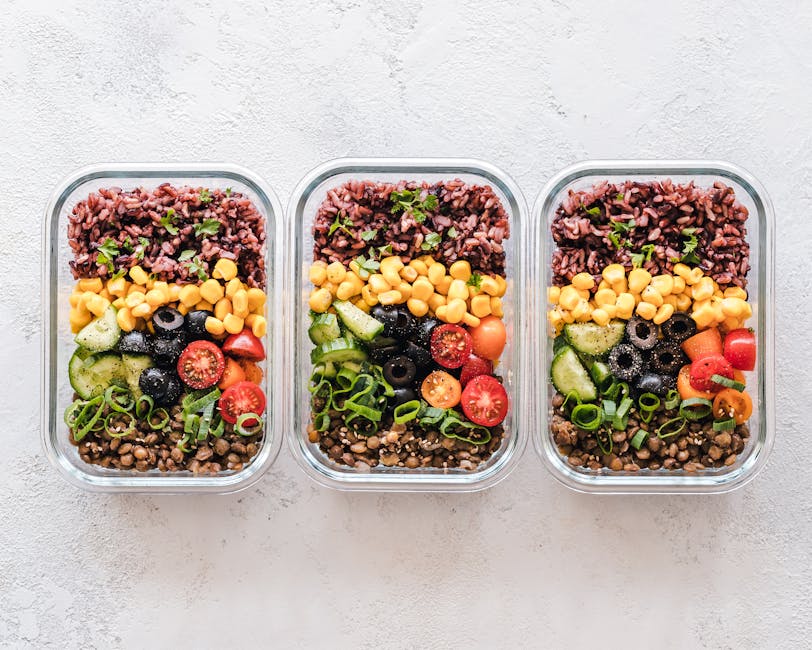
A simple meal prep container makes batch cooking these combinations straightforward. Cook a large pot of brown rice and another of mixed beans on Sunday, then portion them throughout the week with different seasonings and vegetables.
Grains Plus Nuts or Seeds
Nut butters on wholegrain bread provide complete protein combinations that work for quick meals. The grain supplies lysine that nuts lack, whilst nuts contribute methionine that grains need. Peanut butter sandwiches aren’t just nostalgic comfort food; they’re nutritionally strategic.
Practical combinations include:
- Porridge topped with almonds, walnuts, or cashews
- Wholegrain crackers with almond butter
- Brown rice stirfry finished with sesame seeds
- Wholemeal pasta with pine nuts and basil
- Granola (oats plus nuts) with plant milk
According to British Dietetic Association guidance on plant based diets, these simple pairings meet protein requirements when eaten as part of varied daily intake.
Legumes Plus Seeds
Hummus (chickpeas plus tahini) exemplifies this combination perfectly. Chickpeas provide the protein base whilst sesame seeds in tahini balance the amino acid profile. This creates complete protein combinations in a single delicious dip.
Other effective pairings:
- Lentil soup garnished with pumpkin seeds
- Black bean salad with sunflower seeds
- Edamame with sesame dressing
- Bean chilli topped with hemp seeds
- Falafel (chickpeas and sesame) in wholegrain pitta
Soy Foods (Already Complete)
Soy products like tofu, tempeh, and edamame contain all essential amino acids in adequate ratios without requiring combination. They’re naturally complete proteins, which simplifies meal planning considerably.
Tofu absorbs flavours beautifully when marinated. Press it firmly, cube it, then marinate in soy sauce, garlic, and ginger for 30 minutes before baking at 200°C for 25 minutes. Tempeh has a nuttier flavour and firmer texture; try it crumbled into Bolognese or sliced into sandwiches.
Research from NHS guidance on vegan nutrition confirms soy foods provide high-quality protein comparable to animal sources.
Quinoa, Hemp, and Buckwheat (Complete on Their Own)
These pseudo-grains offer complete protein without pairing, though they cost more than basic grains. Quinoa works well in salads, as a rice substitute, or cooked into porridge. Buckwheat (despite the name, it’s wheat-free) makes excellent pancakes and can be cooked like rice. Hemp seeds sprinkle easily onto smoothies, salads, or porridge.
Use these strategically rather than exclusively. They’re brilliant for adding variety and boosting protein intake, but rice and beans remain more economical for daily staples.
Your 7-Day Plant Based Protein Blueprint
Getting adequate complete protein combinations becomes automatic once you establish simple patterns. This week-long framework shows how easy balanced plant based eating can be without complicated tracking.
Day 1-2: Master the Basics
Focus on one classic combination: beans and rice. Cook a batch of brown rice and a pot of mixed beans (kidney, black, pinto). Portion into containers with different seasonings: Mexican spices with tomatoes and peppers one day, Indian spices with coconut milk and spinach the next. Notice how satisfying these complete protein combinations feel.
Day 3-4: Add Morning Protein
Start days with porridge topped with a tablespoon of nut butter and sliced banana. This combination of oats (grain) with nuts provides balanced amino acids first thing. Mid-morning, have wholegrain toast with hummus rather than reaching for biscuits. These small shifts accumulate significant protein throughout the day.
Day 5-6: Experiment with Texture
Introduce tofu or tempeh. Scrambled tofu makes excellent breakfast: crumble firm tofu into a pan with turmeric, nutritional yeast, and vegetables. Tempeh bacon involves thin slices marinated in maple syrup and smoked paprika, then fried until crispy. Both provide complete proteins without combination requirements.
Day 7: Batch Prep for Next Week
Spend an hour preparing foundations: cook quinoa, roast chickpeas with spices, prepare lentil soup, bake a batch of energy balls using oats and nut butter. Having these complete protein combinations ready transforms weeknight dinners from stressful to simple.
Protein Content in Common Plant Based Complete Combinations
Understanding quantities helps with meal planning. These combinations deliver substantial protein per serving:
Rice and beans (1 cup each combined): Approximately 15-17g protein. This matches a small chicken breast.
Peanut butter (2 tablespoons) on wholegrain bread (2 slices): About 12-14g protein. Perfect for quick lunches.
Hummus (100g) with wholegrain pitta (1 large): Around 10-12g protein. Add vegetable sticks for vitamins and fibre.
Tofu stirfry (150g tofu) with brown rice (1 cup cooked): Approximately 18-20g protein. Restaurant-worthy nutrition at home.
Lentil soup (300ml) with wholegrain roll: About 14-16g protein. Warming, economical, and batch-friendly.
Most adults need roughly 0.75g protein per kilogram of body weight daily according to UK guidelines. Someone weighing 70kg requires about 52g protein. Three meals incorporating complete protein combinations easily meet this target.
Mistakes to Avoid When Building Plant Based Protein Intake
Mistake 1: Relying Solely on One Protein Source
Why it’s a problem: Eating only chickpeas every day or living on peanut butter creates amino acid imbalances over time. Variety ensures you’re getting all essential amino acids in adequate amounts.
What to do instead: Rotate through different legumes weekly (lentils, chickpeas, black beans, kidney beans, split peas). Vary your nuts and seeds. Try different whole grains beyond just brown rice. This rotation provides complete protein combinations naturally without obsessive planning.
Mistake 2: Forgetting About Protein at Breakfast
Why it’s a problem: Starting the day with just fruit or toast means playing catch-up with protein later. You might feel hungry mid-morning and reach for less nutritious snacks.
What to do instead: Add ground flaxseed or chia seeds to smoothies (something like a simple blender works perfectly for daily smoothies). Spread nut butter on wholegrain toast. Cook scrambled tofu with vegetables. These breakfast complete protein combinations keep energy stable until lunch.
Mistake 3: Overlooking Portion Sizes
Why it’s a problem: A tablespoon of hummus with crackers isn’t a protein-rich meal; it’s a snack. Skimping on portions means inadequate amino acid intake regardless of combining foods correctly.
What to do instead: Aim for palm-sized portions of legumes or tofu at main meals. Use 2-3 tablespoons of nut butters, not a thin scrape. Fill a quarter of your plate with protein-rich foods at lunch and dinner. Generous portions of complete protein combinations matter for meeting daily requirements.
Mistake 4: Neglecting Vitamin B12 and Iron
Why it’s a problem: Whilst complete protein combinations provide amino acids, plant based diets need attention to B12 (not found in plant foods) and iron (less bioavailable from plants than meat).
What to do instead: Take a B12 supplement or use fortified plant milk daily. Eat iron-rich plant foods (lentils, spinach, pumpkin seeds) with vitamin C sources (peppers, tomatoes, citrus) to enhance absorption. Consider having your levels checked by your GP annually.
Mistake 5: Making Every Meal Complicated
Why it’s a problem: Elaborate recipes requiring 15 ingredients aren’t sustainable for busy weeknights. Complexity leads to takeaways or convenience foods instead of home-cooked complete protein combinations.
What to do instead: Master five simple combinations you can prepare in under 20 minutes: beans on toast, tofu stirfry, lentil soup, chickpea curry, peanut noodles. Rotate these weekly. Save complex recipes for weekends when you have time and energy.
Quick Shopping List for Complete Protein Combinations
Keep these staples stocked for effortless plant based protein meals:
- Dried or tinned legumes: chickpeas, black beans, kidney beans, lentils (red and green), split peas
- Whole grains: brown rice, quinoa, wholegrain bread, oats, wholemeal pasta, barley
- Firm tofu and tempeh (freeze extras for longer storage)
- Nut butters: peanut, almond, cashew (check labels for no added sugar or palm oil)
- Seeds: pumpkin, sunflower, hemp, chia, flaxseed, sesame (for tahini)
- Frozen edamame beans (brilliant for quick protein addition to any meal)
- Nutritional yeast (adds cheesy flavour plus B vitamins)
- Plant milk fortified with calcium and B12
Most UK supermarkets stock everything on this list. Dried legumes and grains cost pennies per portion, making complete protein combinations remarkably economical compared to meat-based meals.
Eating Out: Finding Complete Protein Combinations on Restaurant Menus
Restaurant meals can easily provide balanced plant protein when you know what to look for. Many cuisines naturally feature complete protein combinations in traditional dishes.
Indian restaurants offer dal (lentils) with rice or naan bread. Order chana masala (chickpeas) with rice for another winning combination. Mexican places serve beans and rice as standard accompaniments. Middle Eastern restaurants build entire menus around hummus with pitta, falafel wraps, and grain salads with legumes.
At Italian restaurants, ask for wholemeal pasta with white bean ragu or pasta e fagioli soup. Thai places typically have tofu options in curries served with rice. Chinese restaurants offer tofu and vegetable dishes with rice or noodles.
Don’t hesitate to modify menu items. Most chefs happily swap meat for tofu or add extra beans to salads. Asking “Could I have beans instead of chicken?” or “Is there tofu available?” gets positive responses far more often than people expect.
Complete Protein Combinations for Different Dietary Needs
For Active Individuals and Athletes
Higher protein requirements (1.2-2.0g per kg body weight) mean eating complete protein combinations at every meal plus snacks. Tofu smoothies blended with oats, nut butter, and banana provide 25-30g protein post-workout. Tempeh sandwiches on wholegrain bread deliver sustained energy for training days. Hemp protein powder (already a complete protein) mixed into overnight oats creates convenient grab-and-go breakfasts.
For Budget-Conscious Eating
Dried beans and lentils cost under £2 per kilogram and provide dozens of servings. Brown rice in bulk bags offers incredible value. Peanut butter remains the most economical nut butter. These basic complete protein combinations cost less than £1 per meal when prepared at home. Batch cooking on weekends stretches ingredients further whilst ensuring varied weekly meals.
For Families with Children
Children often resist “weird” foods, but familiar complete protein combinations work well. Baked beans on wholegrain toast appeals to most kids. Peanut butter sandwiches remain childhood staples. Pasta with chickpeas in tomato sauce looks enough like regular spaghetti to pass inspection. Blending white beans into smoothies adds protein invisibly. Involving children in cooking increases acceptance of plant based meals.
Frequently Asked Questions
Do I really need to worry about complete protein combinations if I eat varied plant foods?
If you’re eating a diverse range of whole grains, legumes, nuts, and seeds throughout the day, you’re almost certainly getting all essential amino acids without deliberate combining. Your body pools amino acids over 24 hours, assembling what it needs. Conscious combining becomes more relevant if you eat the same limited foods repeatedly or have significantly increased protein needs from athletics or recovery from illness. For most people eating varied plant based diets, adequate protein intake happens naturally without meticulous planning.
Can I build muscle on plant based protein alone?
Absolutely. Numerous vegan athletes, bodybuilders, and strength competitors demonstrate that plant proteins support muscle growth effectively when consumed in adequate amounts with proper training. Complete protein combinations like beans and rice, tofu with quinoa, or tempeh with whole grains provide all necessary amino acids for muscle protein synthesis. You’ll need to eat slightly larger volumes of plant protein compared to animal protein (plant foods have more fibre and water), but the amino acids your muscles require are identical regardless of source. Studies published in the Journal of the International Society of Sports Nutrition confirm plant based diets support athletic performance and muscle development when properly planned.
How much cheaper is plant based protein compared to meat?
Significantly more economical. Dried chickpeas cost about £2/kg and provide roughly 19g protein per 100g when cooked. Chicken breast costs £6-8/kg for similar protein content. A meal of beans and rice costs under £1 per portion versus £3-4 for equivalent meat-based meals. Tofu costs roughly £2 for 400g (about 40g protein), whilst equivalent chicken costs £3-4. Annual savings from replacing meat with complete protein combinations several times weekly reach hundreds of pounds for average households. Even factoring in B12 supplements and fortified foods, plant based protein remains substantially cheaper.
What if I don’t like beans or tofu?
Preferences vary, but preparation methods matter enormously. People who dislike mushy tinned beans often love crispy roasted chickpeas seasoned with paprika and garlic. Those who find plain tofu bland discover that properly pressed, marinated, and baked tofu tastes completely different. Lentils in a rich curry bear little resemblance to plain boiled lentils. Experiment with different cooking methods, spices, and textures before concluding you dislike entire food categories. That said, plant based eating offers enough variety that if you genuinely dislike legumes, you can emphasise nuts, seeds, quinoa, and soy products whilst still meeting protein needs through other complete protein combinations.
Will I feel full eating plant based meals without meat?
Complete protein combinations with adequate fibre create lasting satiety, often more so than meat-based meals. Beans, lentils, and whole grains digest slowly, preventing blood sugar spikes and crashes that trigger hunger. The fibre content in plant foods promotes fullness through physical stomach distension and hormonal satiety signals. Many people report feeling satisfied longer after plant based meals compared to their previous meat-heavy eating. Initially, your digestive system needs a few weeks to adjust to increased fibre if you’re transitioning from low-fibre eating, but this adaptation period passes quickly. Ensuring generous portions of legumes and whole grains at meals prevents that “hungry an hour later” feeling.
Your Complete Protein Combinations Action Plan
Start with what you already eat. If you enjoy peanut butter sandwiches, you’re already eating complete protein combinations without thinking about it. Build from familiar foods rather than overhauling everything overnight.
This week, add one deliberate protein pairing to your daily routine. Monday through Wednesday, have beans and rice in some form for lunch or dinner. Thursday through Saturday, start mornings with porridge topped with nuts or nut butter. Sunday, batch cook legumes and grains for the week ahead.
Next week, introduce tofu or tempeh once. Press firm tofu thoroughly, marinate in your favourite flavours, then bake until golden. Notice the texture and taste. Experiment until you find preparation methods you genuinely enjoy rather than merely tolerate.
Track how you feel over two weeks. Energy levels, hunger patterns between meals, workout recovery, sleep quality. Complete protein combinations often improve these markers noticeably, providing motivation to continue beyond initial experimentation.
Variety matters more than perfection. Rotate through different beans weekly. Try various nuts and seeds. Cook different grains. This rotation ensures comprehensive amino acid intake whilst preventing menu monotony. The wider your plant food variety, the less you need to consciously think about protein combining at all.
You’ve got the knowledge. The ingredients are affordable and accessible at any UK supermarket. Complete protein combinations aren’t complicated biochemistry puzzles requiring advanced degrees. They’re simple food pairings humans have eaten for millennia, now backed by modern nutritional science showing they work brilliantly for health, performance, and wellbeing.


