You’ve committed to building muscle. Training plan? Sorted. Gym membership? Active. But then someone asks how much protein daily to build muscle you’re actually eating, and suddenly you’re questioning everything. Are those two chicken breasts enough? Should you be chugging protein shakes? The confusion is real.
Picture this: You’re meal planning on Sunday evening, trying to work out if you need more eggs, another pack of chicken, or whether that tin of chickpeas counts towards your protein target. You’ve heard everything from “eat your body weight in grams” to “just have a steak after training.” Meanwhile, your gym mate swears by six meals a day, and the bloke on YouTube insists timing doesn’t matter at all.
Truth is, the science on protein needs for muscle building is surprisingly clear. But it’s buried under mountains of bro-science, conflicting advice, and supplement marketing that makes it sound far more complicated than it needs to be.
Common Myths About Protein and Muscle Building
Related reading: How Much Protein Do I Need Daily to Build Muscle as a Woman.
Myth: You need 1g of protein per pound of body weight
Reality: This American guideline translates to roughly 2.2g per kilogram, which is actually at the upper end of what research supports. For most people building muscle, 1.6-2.2g per kilogram of body weight does the job brilliantly. An 80kg person needs 128-176g daily, not the 176g (or 80g per pound) that old-school advice suggests. You don’t need to overshoot massively to see results.
Myth: More protein always equals more muscle
Reality: Your body has a ceiling for how much protein it can use for muscle protein synthesis. Beyond about 2.2g per kilogram, you’re not building more muscle. You’re just creating expensive urine and possibly displacing other important nutrients. Research from the University of Stirling found that protein intake above this threshold provided no additional benefit for muscle growth, even in athletes training intensively.
Myth: Plant protein doesn’t build muscle as effectively
Reality: While plant proteins often have different amino acid profiles, eating a variety throughout the day gives you everything needed for muscle growth. Studies show that when total protein and leucine content are matched, plant-based eaters build muscle just as effectively as meat-eaters. The key is variety and adequate total intake.
The Science-Backed Numbers for Building Muscle
You might also enjoy: The Definitive Guide to Protein Nutrition: Build Strength, Support Recovery, and Optimise Your Health
According to research published in the British Journal of Sports Medicine, the optimal protein intake to build muscle sits between 1.6 and 2.2 grams per kilogram of body weight daily. This range consistently shows up across multiple studies involving resistance training.
Here’s what that looks like in practice:
- A 60kg person needs 96-132g of protein daily to build muscle effectively
- A 75kg person requires 120-165g daily
- A 90kg person should aim for 144-198g daily
- A 100kg person benefits from 160-220g daily
These numbers account for the increased protein turnover that happens when you’re regularly breaking down muscle tissue through training and rebuilding it stronger. The NHS recommends just 0.75g per kilogram for general health, but building muscle demands more raw material.
What’s interesting: you don’t need to hit the upper end unless you’re training particularly hard, in a calorie deficit trying to preserve muscle while losing fat, or you’re an older adult (protein needs increase with age for muscle maintenance).
Why These Numbers Work
Muscle protein synthesis, the process your body uses to build new muscle tissue, peaks at certain protein doses. Research shows that 0.25-0.40g of protein per kilogram per meal maximizes this response. Spread across 3-4 meals daily, this naturally brings you into that 1.6-2.2g per kilogram range.
For an 80kg person, that’s 20-32g of protein per meal, four times daily. Achievable without supplements, though they can help if your schedule makes whole food meals challenging.
Calculating Your Personal Protein Target
Grab your calculator. This takes two minutes, and you’ll have your number.
- Step one: Determine your weight in kilograms. If you think in stones, multiply by 6.35. Thirteen stone equals roughly 82.5kg.
- Step two: Multiply your weight by 1.6 for your minimum daily protein intake. That’s your baseline for building muscle.
- Step three: Multiply your weight by 2.2 for your upper target. This is your ceiling, useful if training intensity is high or you’re cutting calories.
- Step four: Choose a number in that range that feels sustainable. An 80kg person might aim for 140g daily, sitting comfortably mid-range.
Round to a number that’s easy to remember and track. Precision matters less than consistency.
Adjusting for Your Situation
Several factors influence where in that range you should aim:
Training frequency: Lifting four times weekly versus six times doesn’t dramatically change protein needs, but recovery demands do increase slightly. Aim towards the upper range if training volume is high.
Calorie deficit: Losing fat while building (or maintaining) muscle requires more protein to prevent muscle breakdown. Push towards 2.0-2.2g per kilogram when cutting.
Age considerations: After 40, muscle protein synthesis becomes slightly less efficient. Older lifters benefit from the higher end of the range, plus ensuring adequate leucine content.
Training experience: Beginners can build muscle brilliantly at the lower end. Advanced lifters who’ve trained for years might find marginal benefits from higher intakes, though this remains debated.
Protein-Rich Foods That Make Hitting Your Target Simple
Knowing your protein target means nothing if you can’t actually reach it with normal meals. Here’s what 30g of protein looks like in real food:
- 150g cooked chicken breast (roughly one medium breast)
- 170g tinned tuna in spring water
- 150g salmon fillet
- 200g extra-firm tofu
- Four large eggs
- 250g low-fat Greek yogurt
- 180g cooked lentils plus 100g quinoa
- 150g lean beef mince (5% fat)
Most people building muscle find success with protein distributed across breakfast, lunch, dinner, and one snack. This naturally spaces intake and keeps muscle protein synthesis elevated throughout the day.
Building a High-Protein Day
Here’s what 150g of protein looks like across a typical day for someone aiming to build muscle:
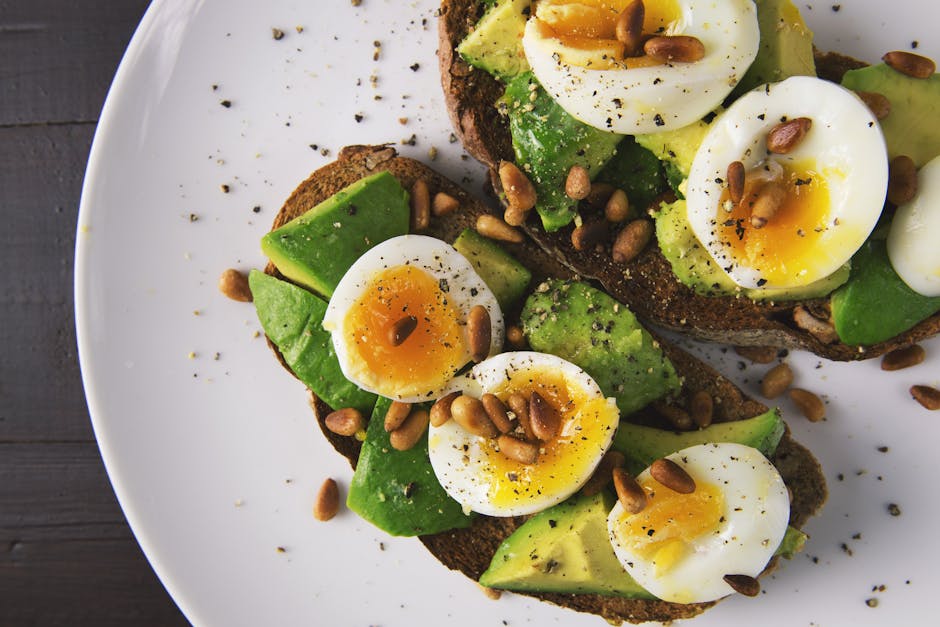
Breakfast (35g): Three-egg omelette with 30g cheese and a slice of wholegrain toast
Lunch (40g): Chicken and chickpea salad with 120g cooked chicken, half a tin of chickpeas, mixed leaves, and olive oil dressing
Dinner (45g): 150g salmon with roasted vegetables and 100g cooked quinoa
Snack (30g): Greek yogurt with berries and a handful of almonds
Notice how this doesn’t require exotic foods or expensive supplements. Basic ingredients from any UK supermarket sorted.
Something worth noting: if plant-based protein forms the bulk of your intake, combining different sources (grains with legumes, nuts with seeds) ensures you get all essential amino acids in optimal ratios. A kitchen scale helps initially, but you’ll quickly learn to eyeball portions.
Does Protein Timing Actually Matter?
The “anabolic window” has been oversold. You don’t need to skull a protein shake within 30 minutes of finishing your last set. But timing isn’t completely irrelevant either.
Research from studies on protein distribution shows that spreading protein intake across the day produces better muscle protein synthesis than cramming it into one or two massive meals. Four servings of 20-40g work better than two servings of 60-80g.
The practical takeaway: eat protein every 4-5 hours while awake. Your post-workout meal matters, but so does breakfast, lunch, and your evening meal. They all contribute to the 24-hour muscle-building process.
Pre-Bed Protein: Worth the Effort?
Having 20-40g of protein before bed can support overnight muscle protein synthesis. Your body doesn’t stop repairing muscle just because you’re asleep. Research suggests slow-digesting proteins like casein (found in cottage cheese, Greek yogurt, and milk) work particularly well here.
But if you’ve hit your daily protein target across three solid meals, stressing about a pre-bed snack probably won’t make a noticeable difference to your results. Focus on total daily intake first, meal timing second.
Mistakes That Sabotage Your Protein Strategy
Mistake 1: Counting only “obvious” protein sources
Why it’s a problem: Thinking protein only comes from meat, fish, and protein powder means you’re likely underestimating your actual intake. Bread, pasta, oats, vegetables, and nuts all contribute protein. A bowl of porridge with almond butter adds 12-15g before you’ve even added protein powder.
What to do instead: Track everything for a week using an app to see where protein hides in your diet. You might already be closer to your target than you think, which means less forcing down chicken breast.
Mistake 2: Neglecting protein quality on a plant-based diet
Why it’s a problem: Not all plant proteins contain adequate amounts of all essential amino acids, particularly leucine, which triggers muscle protein synthesis. Relying heavily on one or two sources can create gaps.
What to do instead: Combine complementary proteins throughout the day. Beans with rice, hummus with pitta, peanut butter with wholegrain bread. Variety ensures complete amino acid coverage without overthinking individual meals.
Mistake 3: Drinking your protein needs instead of eating them
Why it’s a problem: Protein shakes have their place, but whole foods provide fibre, vitamins, minerals, and satiety that powder doesn’t. Over-relying on supplements means missing out on nutrients crucial for overall health and recovery.
What to do instead: Use protein powder strategically, as a convenience tool when whole food isn’t practical. Aim for 75-80% of your daily protein from actual food. One shake daily works; three becomes a crutch.
Mistake 4: Forgetting that training matters more than protein minutiae
Why it’s a problem: You can eat 200g of protein daily, but without progressive overload in your training, you won’t build significant muscle. Protein supports growth; training stimulates it.
What to do instead: Get your training program right first. Eat adequate protein to support it, but don’t obsess over whether 1.8g per kilogram is better than 1.9g. That difference won’t show in the mirror.
Your 14-Day Protein Strategy to Build Muscle
Starting is simpler than you think. Follow this two-week approach to establish sustainable protein habits:
- Days 1-3: Calculate your protein target using your body weight. Track everything you currently eat for three days without changing anything. Most people discover they’re getting 60-80g daily, roughly half what they need.
- Days 4-7: Add one protein-rich food to each meal without removing anything else. Scrambled eggs at breakfast, Greek yogurt at lunch, extra chicken at dinner. This typically increases intake to 100-120g daily.
- Days 8-10: Swap lower-protein snacks for higher-protein options. Swap crisps for mixed nuts, switch biscuits for protein yogurt, replace toast with eggs. Small swaps compound quickly.
- Days 11-14: Fine-tune portion sizes to hit your target consistently. Weigh protein sources for a few days to calibrate your eye. You’ll soon estimate accurately without scales.
By day 14, hitting your protein target feels automatic rather than forced. The goal is building habits that stick, not perfect execution from day one.
When Supplements Actually Help
Protein powder isn’t mandatory, but it solves real problems. If you’re vegetarian struggling to reach 140g daily from lentils and tofu alone, a scoop of protein powder adds 20-25g conveniently. Travel frequently for work? Powder travels easier than chicken breasts.
Look for options with at least 20g protein per serving and minimal added sugar. Whey protein digest quickly, making it useful post-workout. Plant-based blends (pea, rice, hemp) work equally well when leucine content is adequate. Both build muscle effectively when total daily protein intake hits your target.
Avoid getting sucked into expensive “muscle-building formulas” with proprietary blends. Basic whey or plant protein does the same job at half the price. Save money for actual food.
Your Protein Cheat Sheet
- Calculate your needs: multiply body weight in kg by 1.6-2.2 for your daily protein target
- Distribute intake across 3-4 meals for optimal muscle protein synthesis throughout the day
- Prioritize whole foods for 75-80% of your protein, using supplements strategically
- Track intake for two weeks to establish accurate portion awareness
- Combine plant proteins throughout the day if following a vegetarian diet
- Focus on consistency over perfection—hitting target 5-6 days weekly builds muscle effectively
- Remember that training quality matters more than protein precision beyond adequate intake
- Adjust towards the higher end when cutting calories or training intensively
Your Protein Questions Answered
Can you build muscle eating less than 1.6g protein per kilogram daily?
Possible, but significantly slower and less efficient. Research consistently shows muscle protein synthesis rates increase with protein intake up to about 1.6g per kilogram. Below that threshold, you’re not providing enough amino acids for optimal muscle repair and growth. Beginners with untapped genetic potential might see some progress on lower intakes, but why make it harder than necessary? Hit the target and maximize your training efforts.
What if you eat too much protein when trying to build muscle?
Beyond about 2.2g per kilogram, extra protein doesn’t accelerate muscle building. Your body will use excess protein for energy or convert it to glucose, which is an inefficient and expensive fuel source. More concerning, very high protein intake can displace carbohydrates and fats needed for training energy, hormone production, and overall health. There’s no benefit to eating 250g daily if your target is 150g. Save your money and appetite for balanced nutrition.
Do older adults need more protein to build muscle effectively?
Yes, typically. Muscle protein synthesis becomes less sensitive to protein intake with age, a phenomenon called anabolic resistance. Research suggests adults over 40 benefit from protein intakes towards the upper end of the range, around 2.0-2.2g per kilogram daily. Additionally, older adults might need slightly higher per-meal protein doses (30-40g versus 20-30g) to trigger the same muscle-building response. Regular resistance training partially offsets age-related changes, but adequate protein becomes increasingly important.
Can women follow the same protein guidelines as men for muscle building?
Absolutely. The recommendation of 1.6-2.2g per kilogram applies regardless of gender. Women building muscle have the same protein requirements relative to body weight as men. The main difference is that women typically weigh less, so absolute protein amounts are lower. A 65kg woman needs 104-143g daily, while an 85kg man needs 136-187g. The ratio stays consistent. Hormonal differences affect how much muscle you can build total, but not how much protein you need per kilogram to optimize that process.
Should you eat more protein on training days versus rest days?
Muscle protein synthesis remains elevated for 24-48 hours after training, so protein needs don’t fluctuate dramatically day-to-day. Consistency matters more than cycling intake. Some people prefer slightly higher protein on training days (upper range) and moderate amounts on rest days (lower range), but research doesn’t show this provides significant advantages over consistent daily intake. Focus on hitting your target seven days weekly rather than creating complicated schedules that reduce adherence.
Making Protein Work in Real Life
Understanding how much protein daily to build muscle you need changes nothing if implementation falls apart after a week. Sustainable approaches beat perfect-on-paper strategies every time.
Batch cooking saves the day. Grilling 500-600g of chicken on Sunday gives you protein for three days of lunches. Boiling a dozen eggs provides grab-and-go snacks. Preparing overnight oats with protein powder creates effortless high-protein breakfasts.
Restaurant meals don’t derail progress when you choose strategically. Steak with vegetables, grilled fish with rice, chicken curry with naan, even a burger without the bun—most restaurants offer protein-rich options. Ask for double protein if portions seem small. An extra £2-3 investment beats stressing about missing your target.
Budget concerns? Tinned fish, eggs, and dried legumes provide quality protein at fractions of the cost of fresh meat. Frozen chicken and fish often match fresh quality at lower prices. A 5kg bag of basic whey protein offers better value than fancy branded versions with identical protein content.
When Progress Stalls Despite Adequate Protein
Hitting your protein target consistently but muscle growth has plateaued? Protein isn’t the issue. Look at training progression first—are you lifting heavier weights or performing more reps than last month? Muscle building requires progressive overload.
Check total calorie intake next. You need a slight surplus to build muscle optimally, typically 10-20% above maintenance. Adequate protein in a calorie deficit maintains muscle but builds it slowly at best. The NHS guidance on healthy weight management provides context for balancing muscle building with overall health goals.
Sleep and recovery matter enormously. Eight hours of quality sleep provides the environment for muscle repair that protein supports. Chronic sleep deprivation impairs muscle protein synthesis regardless of nutrition. Fix sleep before obsessing over whether you need 140g versus 150g of protein daily.
Quick Reference for Building Muscle with Protein
- Aim for 1.6-2.2g of protein per kilogram of body weight daily for optimal muscle building
- Distribute across 3-4 meals with 20-40g per meal to maximize muscle protein synthesis
- Track your intake for two weeks to establish accurate awareness of portions and sources
- Prioritize whole food sources for 75-80% of daily protein needs before using supplements
- Combine plant proteins throughout the day if vegetarian to ensure complete amino acid coverage
- Adjust towards the higher end (2.0-2.2g/kg) when cutting calories or over age 40
- Focus on consistency across the week rather than perfection in individual meals
- Remember that adequate protein supports muscle growth, but progressive training stimulates it
Building Muscle Starts with Getting Protein Right
The answer to how much protein daily to build muscle isn’t complicated once you strip away the noise. Between 1.6 and 2.2 grams per kilogram of body weight, spread across multiple meals, gives your muscles everything they need to repair and grow stronger after training.
Calculate your number. Track for a fortnight to establish portion awareness. Build meals around protein-rich foods you actually enjoy eating. The calculation takes five minutes. Building the habit takes two weeks. Seeing results in the mirror takes months of consistency.
No one’s asking for perfection. Some days you’ll hit 135g of your 150g target. Other days you’ll nail 165g. Over a week, it averages out. That’s enough. Muscle building rewards sustained effort over time, not flawless execution of complicated protocols.
Start tomorrow morning with a high-protein breakfast. Track what you eat for the next three days. You’ll probably discover you’re already getting 60-70% of what you need, which means adding one extra protein source per meal closes the gap entirely. That’s manageable. That’s doable. That builds muscle.


