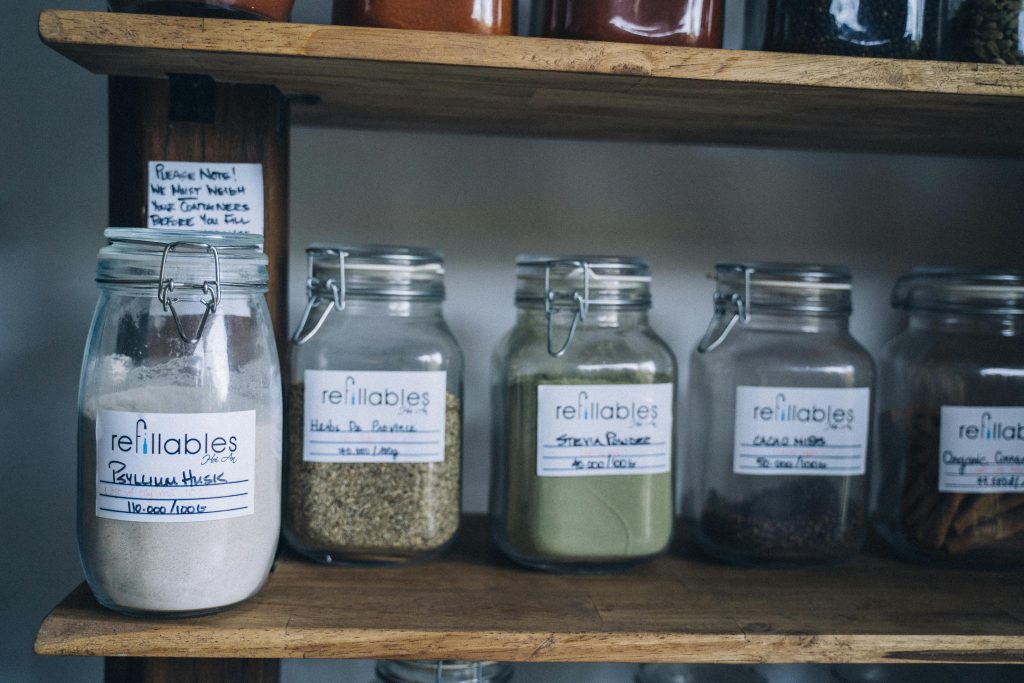
You’ve seen psyllium husk popping up everywhere. Health influencers swear by it, your mate at the gym mentions it, and suddenly every wellness article seems to include it in their supplement lineup. But here’s the question nobody seems to answer straight: is it a bad idea to take psyllium husk everyday, or is this one of those rare supplements that actually lives up to the hype?
Picture this: You’re standing in the supplements aisle at Boots, staring at a tub of psyllium husk powder, wondering if this is going to be another expensive mistake that sits in your cupboard gathering dust. Maybe you’ve heard it helps with digestion, or perhaps someone mentioned it’s brilliant for weight management. Either way, you want the truth before committing to yet another daily supplement routine.
Let’s Bust Some Psyllium Husk Myths
Related reading: High Protein Breakfasts That Take 5 Minutes (Actually 5 Minutes).
Myth: Psyllium husk is just another laxative you shouldn’t use long-term
Reality: This is probably the biggest misconception about psyllium husk. Unlike stimulant laxatives (which can damage your bowel if used regularly), psyllium is a soluble fibre that works by absorbing water and creating bulk in your digestive system. According to NHS guidance on laxatives, bulk-forming laxatives like psyllium are considered safe for long-term use and don’t cause the dependency issues associated with stimulant laxatives. Your body doesn’t become “lazy” from using it daily.
Myth: You’ll get bloated and uncomfortable if you take it regularly
Reality: Bloating typically happens when people take too much too quickly or don’t drink enough water with it. When introduced gradually and taken with adequate fluids (at least 250ml of water per serving), psyllium husk actually helps reduce bloating for most people by promoting regular, comfortable bowel movements. The key is starting small and building up over 7-10 days.
Myth: If you eat enough vegetables, you don’t need psyllium husk everyday
Reality: While eating fibre-rich whole foods should always be your priority, research shows that 91% of UK adults don’t meet the recommended 30g of daily fibre. Psyllium husk can bridge that gap without requiring massive dietary overhauls. One tablespoon provides around 5-7g of fibre, which is roughly equivalent to eating three apples. That’s a significant boost when you’re falling short.
What Actually Happens When You Take Psyllium Husk Everyday
You might also enjoy: How Long Does It Take to Adapt to Chia Seeds? Your Body’s Timeline.
Let’s talk about what taking psyllium husk everyday actually does to your body. Understanding the mechanism helps you decide whether this is right for you.
Psyllium comes from the seeds of Plantago ovata, a plant native to India and Pakistan. When the husk comes into contact with water, it swells dramatically, forming a gel-like substance. This gel moves through your digestive system, doing several jobs simultaneously.
First, it adds bulk to your stool, making it easier to pass. This isn’t about forcing anything through your system. Rather, the bulkier, softer stool triggers natural peristalsis (the wave-like muscle contractions that move food through your digestive tract). The process feels natural because it is natural.
Second, the gel slows down digestion slightly, which helps regulate blood sugar levels. A study published in the European Journal of Clinical Nutrition found that psyllium husk taken before meals reduced post-meal blood glucose spikes by up to 20% in people with type 2 diabetes. Even if you don’t have diabetes, this blood sugar regulation can help you avoid energy crashes and reduce cravings.
Third, it feeds your gut bacteria. Psyllium is a prebiotic fibre, meaning it becomes food for the beneficial bacteria living in your colon. These bacteria ferment the fibre and produce short-chain fatty acids, which reduce inflammation and support intestinal health.
The Timeline: What to Expect Week by Week
When you start taking psyllium husk everyday, changes don’t happen overnight. Here’s what most people experience.
Days 1-3: You might notice slightly more frequent bowel movements or a bit of gas as your gut adjusts. This is completely normal. Your digestive system is adapting to the increased fibre load. Keep your initial dose low—start with just one teaspoon mixed in water once daily.
Days 4-7: Bowel movements become more regular and comfortable. The gas typically settles down as your gut bacteria adjust. You might notice you’re feeling less bloated after meals, especially if constipation was previously an issue.
Weeks 2-4: This is when the real benefits kick in. Many people report feeling fuller between meals, which can support weight management efforts. Your energy levels may feel more stable throughout the day as blood sugar regulation improves. Bathroom visits become predictable and effortless.
Beyond one month: Cholesterol improvements often become measurable around the 6-8 week mark. Studies show that taking psyllium husk everyday can reduce LDL cholesterol (the “bad” kind) by 5-10%. Your gut health continues improving as beneficial bacteria populations grow.
Is It a Bad Idea to Take Psyllium Husk Everyday? The Science Weighs In
The short answer: for most people, no, it’s not a bad idea. But let’s dig into the research properly rather than just throwing out vague reassurances.
Multiple long-term studies have examined whether taking psyllium husk everyday causes problems. A comprehensive review of 21 clinical trials published in the American Journal of Clinical Nutrition concluded that psyllium supplementation for periods ranging from 3 weeks to 12 months showed “excellent safety and tolerability” with no significant adverse effects beyond mild initial bloating in some participants.
The key question becomes: is it a bad idea to take psyllium husk everyday for YOUR specific situation? That’s where we need to get more nuanced.
When Daily Psyllium Works Brilliantly
Taking psyllium husk everyday makes particular sense if you fall into these categories.
You’re chronically constipated despite drinking plenty of water and trying to eat fibre-rich foods. Perhaps you have a slower digestive transit time due to medications, hormonal changes, or simply genetics. Psyllium provides reliable, gentle support without the harsh effects of stimulant laxatives.
You’re managing high cholesterol and want non-pharmaceutical support. The British Heart Foundation acknowledges that soluble fibre like psyllium can help lower cholesterol as part of a heart-healthy lifestyle. Taking 5-10g of psyllium husk everyday has been shown to reduce total cholesterol by up to 5% and LDL cholesterol by up to 8%.
You have irritable bowel syndrome (IBS), particularly the constipation-predominant type. Research shows that psyllium is one of the few fibre supplements that consistently improves symptoms without making bloating worse. The gel-forming property helps regulate bowel movements in both directions—adding bulk when things are too loose, and softening when things are too firm.
You’re working on weight management and need help with appetite control. The volume and gel formation from psyllium husk increases satiety. People taking psyllium before meals report feeling fuller faster and staying satisfied longer, which naturally reduces calorie intake without feeling restrictive.
When You Should Think Twice About Daily Use
Is it a bad idea to take psyllium husk everyday in certain situations? Yes, sometimes caution is warranted.
If you have a bowel obstruction or any condition that narrows your digestive tract, taking psyllium husk everyday could potentially worsen the blockage. The swelling action that’s usually beneficial becomes problematic when there’s already limited space for material to pass through. Always consult your GP if you have inflammatory bowel disease, previous bowel surgery, or similar conditions.
If you struggle to drink adequate fluids throughout the day, psyllium might cause more problems than it solves. The husk needs water to work properly. Without enough fluid, it can create a thick, uncomfortable mass that’s difficult to pass. You need at least 250ml of water with each dose, plus maintaining good hydration throughout the day.
If you take medications that need precise timing or absorption, psyllium can interfere. The gel can slow absorption or reduce effectiveness of certain drugs, including some blood thinners, diabetes medications, and antidepressants. The solution isn’t necessarily to avoid psyllium entirely, but rather to take it at least 2-4 hours away from your medications. Check with your pharmacist about specific timing for your prescriptions.
If you’re pregnant or breastfeeding, is it a bad idea to take psyllium husk everyday? Generally speaking, psyllium is considered safe during pregnancy and breastfeeding for managing constipation, which is common in both situations. However, you should discuss any supplements with your midwife or GP first.
How to Take Psyllium Husk Everyday Without the Downsides
Knowing whether it’s a bad idea to take psyllium husk everyday is one thing. Actually doing it properly is another. Here’s your practical roadmap.
Start Low and Build Slowly
Your digestive system needs time to adapt to the increased fibre load. Jumping straight to the full recommended dose is asking for bloating, gas, and discomfort that’ll make you abandon the whole thing within days.
Week 1: Begin with just one teaspoon (about 3g) once daily, preferably in the morning. Mix it thoroughly in at least 250ml of water, juice, or plant milk. Drink it immediately before it thickens too much. Follow with another glass of water.
Week 2: Increase to one teaspoon twice daily—morning and evening. Keep the fluid intake high. You should be drinking at least 2 litres of water throughout the day, not just with the psyllium doses.
Week 3 onwards: Move up to one tablespoon (about 5-7g) twice daily if you’re tolerating the lower dose well. This brings you to the amount used in most clinical studies showing cardiovascular and metabolic benefits.
The Mixing Method That Actually Works
Psyllium husk has a notorious reputation for turning into a jelly-like blob if you don’t mix it properly. Here’s how to avoid the dreaded texture issue.
Put the liquid in your glass first—always. Add the psyllium powder to the liquid, not the other way around. Stir vigorously for 10-15 seconds, then drink straightaway. Don’t let it sit. The longer you wait, the thicker it becomes.
Some people swear by using a shaker bottle, which creates a smoother consistency. Others prefer mixing it into smoothies or yogurt, which masks the texture completely. Experiment to find what works for you, because if you hate the experience, you won’t stick with it.
If you find the powder version unbearable, psyllium husk capsules are an alternative. They’re more convenient and eliminate texture concerns entirely. The downside is you need to take quite a few capsules to get an effective dose (typically 5-6 capsules to equal one tablespoon of powder), and they’re more expensive per serving.
Timing Matters More Than You Think
When you take psyllium husk everyday affects both its benefits and your comfort level.
For weight management and blood sugar control, taking it 30 minutes before meals works best. The gel forms in your stomach, increasing fullness and slowing glucose absorption from your meal.
For general digestive health and regularity, taking it first thing in the morning on an empty stomach with a large glass of water is often most effective. It kickstarts your digestive system for the day.
For cholesterol management, consistency matters more than specific timing. Taking it at the same times each day—morning and evening, for example—helps you remember and ensures steady intake.
Always take psyllium at least 2 hours before or 4 hours after any medications. This prevents interference with drug absorption.
Mistakes to Avoid When Taking Psyllium Husk Everyday
Mistake 1: Not Drinking Nearly Enough Water
Why it’s a problem: This is the number one reason people experience negative effects from psyllium. Without adequate fluid, the husk absorbs water from your intestines, potentially causing constipation, cramping, or even bowel obstruction in severe cases. The very problem you’re trying to solve gets worse.
What to do instead: Drink at least 250ml of water with each dose, then another glass within the next 30 minutes. Throughout the day, maintain good hydration—aim for at least 2 litres of fluid daily. Keep a water bottle visible on your desk or kitchen counter as a reminder. If you’re exercising or it’s hot weather, increase fluid intake further.
Mistake 2: Taking Too Much Too Soon
Why it’s a problem: Your gut bacteria need time to adjust to the increased fibre. Jumping straight to high doses overwhelms your system, causing bloating, gas, cramping, and diarrhoea. Most people quit at this point, convinced that psyllium doesn’t work for them or that it’s a bad idea to take psyllium husk everyday.
What to do instead: Follow the gradual increase protocol outlined above. One teaspoon daily for the first week might feel frustratingly slow, but it allows your digestive system and gut bacteria to adapt. Patience during the first 2-3 weeks pays off with comfortable, sustainable use long-term.
Mistake 3: Using It as a Band-Aid Without Addressing Root Causes
Why it’s a problem: If you’re constipated because you barely move, eat almost no whole foods, or ignore your body’s signals to use the bathroom, psyllium might provide temporary relief without solving the underlying issues. You become dependent on it not because it’s addictive, but because nothing else has changed.
What to do instead: Use psyllium as part of a comprehensive approach. Aim for 30 minutes of movement most days—even just walking helps. Build more fibre-rich whole foods into your diet gradually. Establish a regular bathroom routine, ideally after breakfast when your digestive system is naturally most active. Psyllium should support these habits, not replace them.
Mistake 4: Expecting Overnight Results
Why it’s a problem: People take their first dose and expect immediate, dramatic changes. When nothing remarkable happens within 24 hours, they assume it’s not working. Meanwhile, the real benefits—cholesterol reduction, improved gut health, better blood sugar control—take weeks to develop.
What to do instead: Set realistic expectations. Bowel movement improvements typically show up within 3-7 days. Appetite control and blood sugar benefits emerge around 2-3 weeks. Cholesterol changes need 6-8 weeks to appear on blood tests. Keep taking it consistently and track subtle changes—you might notice you’re less bloated, more energetic, or experiencing fewer afternoon energy crashes before the more dramatic benefits appear.
Mistake 5: Buying Poor Quality Psyllium Products
Why it’s a problem: Not all psyllium husk products are created equal. Some contain significant added sugars, artificial sweeteners, flavourings, or other additives that may cause digestive upset or counteract the benefits. Others use lower quality psyllium with less effective gel-forming properties.
What to do instead: Look for 100% pure psyllium husk powder or whole husks with no additives. Check the ingredients list—it should literally say “psyllium husk” and nothing else. Organic options eliminate pesticide concerns. If you’re buying capsules, ensure they’re free from unnecessary fillers and that the capsule itself is vegetarian or vegan if that matters to you. Something like pure, unflavoured psyllium husk powder gives you the most flexibility and typically offers the best value.
Combining Psyllium Husk With Other Supplements and Foods
One question that comes up frequently: is it a bad idea to take psyllium husk everyday alongside other supplements or with certain foods? Usually not, but understanding interactions helps you optimize your routine.
What Works Well Together
Probiotics and psyllium make an excellent combination. The psyllium acts as a prebiotic, feeding the beneficial bacteria you’re introducing through probiotics. Take them at different times of day though—probiotics are often best on an empty stomach, while psyllium works better with or before meals.
Omega-3 supplements pair nicely with psyllium since both support cardiovascular health through different mechanisms. No timing concerns here—take them whenever suits your routine.
Protein powder mixed with psyllium creates an exceptionally filling drink. Blend psyllium into your post-workout shake to extend satiety and support recovery. The fibre slows protein digestion slightly, which can actually be beneficial for sustained amino acid delivery.
What Needs Careful Timing
Iron supplements should be taken at least 2 hours before or 4 hours after psyllium. The fibre can reduce iron absorption, which is particularly important if you’re supplementing for deficiency or anaemia.
Calcium, magnesium, and zinc supplements need similar spacing. Take them away from your psyllium doses to ensure proper absorption.
Vitamin D and other fat-soluble vitamins (A, E, K) are less affected, but there’s still potential for reduced absorption if you take very large amounts of psyllium. Spreading things out throughout the day is your safest bet.
Foods That Enhance Psyllium’s Benefits
Fermented foods like kimchi, sauerkraut, kefir, or live yogurt complement psyllium beautifully. You’re feeding your gut bacteria with the prebiotic fibre while simultaneously introducing more beneficial strains.
Healthy fats from sources like avocado, nuts, seeds, or olive oil support the absorption of fat-soluble vitamins and increase meal satisfaction when combined with psyllium’s fullness effect.
Resistant starches from cooled potatoes, green bananas, or cooked and cooled rice provide additional prebiotic benefits alongside psyllium, supporting gut health even further.
Special Considerations: Who Should Be Extra Careful?
Determining whether it’s a bad idea to take psyllium husk everyday requires looking at individual circumstances beyond general guidelines.
If You Have Diabetes
Psyllium can significantly affect blood sugar control, which is generally brilliant news for diabetes management. However, it means you need to monitor your glucose levels more carefully when starting, especially if you take insulin or blood sugar-lowering medications. Your dosages might need adjustment as psyllium improves your glucose response. Work with your diabetes nurse or GP to monitor and adjust as needed.
If You Have Kidney Disease
Some psyllium products contain significant amounts of potassium or phosphorus. If you’re managing chronic kidney disease with restricted mineral intake, check labels carefully and discuss with your renal dietitian before taking psyllium husk everyday.
If You’re Scheduling Surgery
Stop taking psyllium at least two weeks before scheduled surgery. It can affect blood sugar during and after the procedure, and some surgeons prefer your digestive tract to be relatively empty of bulking agents for certain operations.
If You Experience Difficulty Swallowing
Dysphagia (swallowing difficulties) makes psyllium potentially risky. The powder can swell in your throat before reaching your stomach, potentially causing choking or aspiration. If you have any swallowing problems, skip psyllium powder entirely. Even capsules might be problematic. Discuss alternative fibre sources with your GP or speech and language therapist.
Your Psyllium Husk Daily Action Plan
Wondering whether it’s a bad idea to take psyllium husk everyday is one thing. Actually implementing it successfully requires a clear plan. Here’s your structured approach.
- Week 1 – The Foundation: Purchase pure psyllium husk powder with no additives. Start with one teaspoon mixed in 250ml of water each morning before breakfast. Immediately follow with another full glass of water. Track your bowel movements and any symptoms in a simple notebook or phone app.
- Week 2 – Building Consistency: Add a second dose in the evening, still at one teaspoon per serving. Ensure you’re drinking at least 2 litres of fluid throughout the day. Notice how your digestion is responding—are movements becoming more regular and comfortable?
- Week 3 – Increasing Gradually: If you’re tolerating two daily doses well with no excessive bloating or gas, increase each dose to one tablespoon. Maintain high fluid intake. Begin noticing other effects—appetite between meals, energy stability, any reduction in cravings.
- Week 4 – Optimization: Fine-tune your timing based on your goals. If you’re focused on weight management, take it 30 minutes before your two largest meals. For general gut health, stick with morning and evening doses away from meals. Review your medication schedule and ensure proper spacing.
- Week 8 – First Check-In: Evaluate objectively. Are bowel movements regular and comfortable? Have you noticed any appetite or energy benefits? If you’re tracking blood sugar or cholesterol, has there been improvement? Decide whether to continue, adjust dosage, or reassess whether taking psyllium husk everyday serves your goals.
- Month 3 and Beyond – Maintenance: You’ve built a sustainable habit. Continue with the dose that works for you, typically 10-15g daily split between two doses. Maintain high fluid intake. Consider getting blood work done if cholesterol reduction was a goal—improvements typically plateau around 8-12 weeks.
Quick Reference: Your Psyllium Husk Essentials
- Always drink at least 250ml of water with each dose, plus maintain good overall hydration throughout the day
- Begin with one teaspoon daily and increase gradually over 2-3 weeks to avoid digestive discomfort
- Take psyllium at least 2-4 hours away from medications to prevent absorption interference
- Mix powder into liquid immediately and drink straightaway before it thickens excessively
- Choose 100% pure psyllium husk products without added sugars, sweeteners, or unnecessary ingredients
- Track your progress in a simple journal to identify patterns and benefits over time
- Combine with whole food fibre sources and good lifestyle habits for best results
- Consult your GP if you have existing bowel conditions, take multiple medications, or plan surgery
Your Psyllium Husk Questions Answered
How long does it take for psyllium husk to work when taken everyday?
Most people notice improved bowel movements within 3-7 days of taking psyllium husk everyday. The fuller, more comfortable evacuations typically appear first. Blood sugar regulation benefits emerge around 2-3 weeks with consistent use. Cholesterol reduction becomes measurable on blood tests after 6-8 weeks of daily intake at therapeutic doses (typically 10-15g daily). Weight management effects vary considerably between individuals, but appetite control improvements often show up within the first fortnight.
Can taking psyllium husk everyday cause nutrient deficiencies?
When taken as recommended with proper spacing from meals and supplements, psyllium husk doesn’t typically cause deficiencies. The key is timing—take it at least 2 hours before or after nutrient-dense meals and mineral supplements. The fibre can reduce absorption of iron, calcium, zinc, and some medications if taken simultaneously. Maintaining a varied, nutrient-rich diet alongside psyllium ensures you’re getting adequate vitamins and minerals. If you’re concerned about specific deficiencies, ask your GP for blood tests to establish a baseline and monitor over time.
Is it a bad idea to take psyllium husk everyday if I already have regular bowel movements?
No, it’s not necessarily a bad idea to take psyllium husk everyday even with regular bowel movements, but your priorities shift. Instead of focusing on regularity, you’d be using it for other benefits like cholesterol management, blood sugar control, or appetite regulation. Research shows benefits across these areas regardless of baseline bowel habits. However, if you’re eating 30g+ of fibre daily from whole foods, getting regular exercise, staying well-hydrated, and have no metabolic concerns, you might not gain much additional benefit from supplemental psyllium. Assess your specific health goals rather than assuming supplements are always necessary.
What happens if I stop taking psyllium husk after using it everyday for months?
Stopping psyllium doesn’t cause withdrawal or rebound constipation like stimulant laxatives do. Your bowel function returns to whatever your baseline was before starting, based on your diet, hydration, and lifestyle. If you’ve been relying on psyllium to compensate for low dietary fibre or inadequate hydration, those issues will resurface when you stop. The cholesterol and blood sugar benefits fade within 2-4 weeks of discontinuation. Most people can stop abruptly without problems, though some prefer tapering down gradually over a week to avoid sudden changes in bowel patterns. The key is ensuring your underlying diet and habits can support healthy digestion without supplementation.
Can I take psyllium husk everyday while pregnant or breastfeeding?
Psyllium husk is generally considered safe during pregnancy and breastfeeding for managing constipation, which affects up to 40% of pregnant women. It’s a bulk-forming laxative that works mechanically rather than through chemical action, and it doesn’t enter your bloodstream or breast milk. However, you should always discuss any supplements with your midwife or GP first, as individual circumstances vary. Ensure you’re drinking plenty of fluids, as hydration needs increase during pregnancy and breastfeeding. Start with low doses to assess tolerance, since pregnancy already causes digestive changes that might affect how you respond to added fibre.
Making Psyllium Husk Work for Your Real Life
So, is it a bad idea to take psyllium husk everyday? For most people, the answer is no—it’s actually one of the more evidence-backed, safe, and genuinely useful supplements available when used properly.
Here’s the reality: psyllium won’t fix a fundamentally poor diet, compensate for sitting all day, or magically solve complex digestive conditions. What it will do is provide reliable, measurable support for gut health, cardiovascular function, blood sugar control, and appetite management when combined with reasonable lifestyle habits.
The key is approaching it sensibly. Start low, build gradually, drink plenty of water, and give it time to work. Most people who report negative experiences either took too much too quickly, didn’t hydrate adequately, or expected overnight miracles.
Taking psyllium husk everyday can absolutely be part of a healthy routine. Just ensure you’re using it as a supplement—something that adds to and supports your foundation of whole foods, regular movement, and adequate hydration, not something that replaces those essentials.
You’ve got everything you need to make an informed decision and implement it successfully if you choose to go ahead. Start with that single teaspoon tomorrow morning, drink your water, and see how your body responds over the next few weeks. That’s where the real answer to “is it a bad idea to take psyllium husk everyday” gets answered—not in research papers, but in your actual experience.


