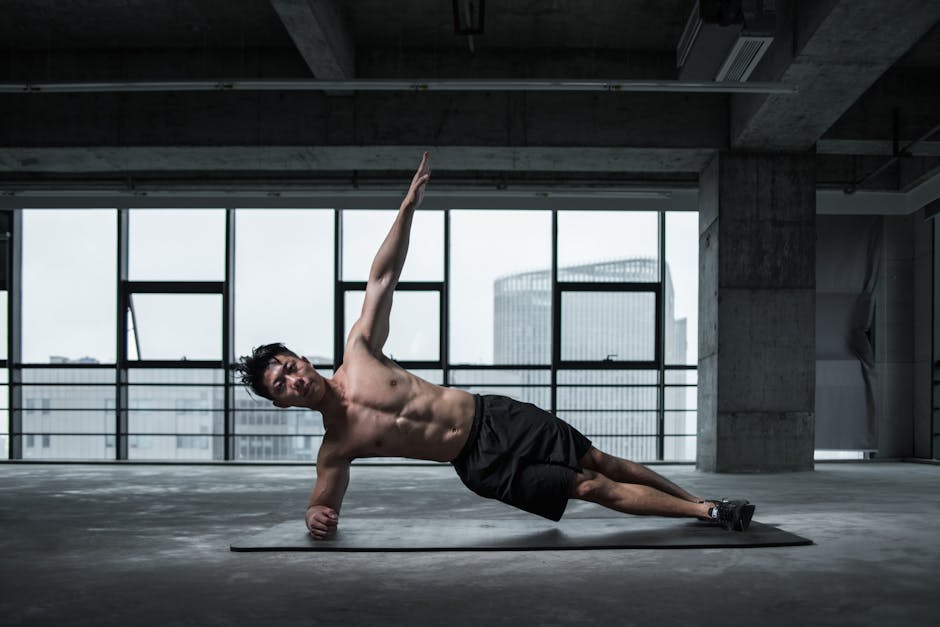
You’ve scrolled past enough fitness influencers doing impossibly complicated moves. The truth is, the best core exercises for complete beginners require nothing but your body and a bit of floor space. No fancy gym membership, no equipment, no complicated choreography.
Sound familiar? You’re staring at your living room floor, thinking about all those promises you’ve made to “get stronger” or “finally work on your core.” Maybe you’ve seen those transformation posts where someone went from slouching to superhero status. Meanwhile, you’re not entirely sure where your core even is, let alone how to train it.
What You’ve Been Told Wrong About Core Training
Related reading: Core Training: The Complete Guide to Building a Stronger, More Functional Midsection
Before diving into the best core exercises for complete beginners, let’s clear up some rubbish advice that’s probably been holding you back.
Myth: Core training means endless crunches
Reality: Crunches are actually one of the least effective ways to build core strength. Your core includes everything from your ribcage to your hips—front, back, and sides. Proper core training involves movements in multiple directions and positions. The best core exercises for complete beginners work your entire trunk, not just the six-pack muscles everyone obsesses over.
Myth: You need equipment to get results
Reality: Bodyweight exercises create plenty of resistance when done properly. Your core muscles respond brilliantly to exercises that challenge your stability and control, which requires zero equipment. In fact, starting without equipment helps you develop better body awareness and proper form.
Myth: Core workouts should burn like crazy
Reality: That burning sensation doesn’t equal effectiveness. Quality matters far more than quantity. Five perfectly executed movements beat fifty sloppy ones every single time. The best core exercises for complete beginners focus on control and proper engagement, not just making you sweat.
Why Your Core Actually Matters (Beyond Looking Good)
You might also enjoy: Kettlebell Training for Beginners: Build Full Body Strength Fast.
The reality is, core strength affects everything you do. Getting out of bed, carrying shopping bags, sitting at your desk for eight hours, playing with your kids—all of it requires core stability.
According to NHS guidance on strength training, developing core strength can reduce lower back pain, improve posture, and make everyday activities significantly easier. Studies show that people with stronger cores experience fewer injuries during physical activity and report less chronic back pain.
Your core acts like a natural weight belt, protecting your spine and transferring force between your upper and lower body. Weak core muscles force other areas to compensate, leading to poor movement patterns and eventual discomfort.
The surprising part? Building a functional core takes less time than you think. Fifteen minutes of focused work, three times weekly, creates noticeable changes within a month.
The 7 Best Core Exercises for Complete Beginners
These movements require zero equipment, suit genuine beginners, and target your entire core. Master these before worrying about advanced variations or fancy equipment.
1. Dead Bug
This oddly named exercise tops the list of best core exercises for complete beginners for good reason. It teaches coordination whilst protecting your lower back.
Lie on your back with arms extended toward the ceiling and knees bent at 90 degrees. Slowly lower your right arm overhead whilst extending your left leg, keeping your lower back pressed to the floor. Return to start and switch sides. That’s one rep.
The key? Moving slowly and keeping your spine glued to the ground. If your back arches, you’re going too far. Aim for 8-10 reps per side to start.
2. Plank (Modified If Needed)
The plank gets a bad reputation for being boring, but it remains one of the best core exercises for complete beginners because it teaches full-body tension and proper spinal alignment.
Start on your forearms and knees, body forming a straight line from head to knees. Squeeze your glutes, brace your abs like someone’s about to poke your stomach, and breathe normally. Hold for 15-20 seconds to begin.
Can’t maintain good form? Drop to your knees. Proper form on your knees beats terrible form on your toes every time. Progress gradually by adding 5 seconds each week.
3. Bird Dog
Balance meets strength in this movement that challenges your entire core whilst improving coordination.
Begin on hands and knees, spine neutral. Extend your right arm forward and left leg back simultaneously, forming a straight line. Hold for two seconds, return, then switch sides. Focus on staying perfectly still through your torso—no twisting or tilting.
Wobbling is normal at first. Your core muscles are learning to stabilise whilst your limbs move. Start with 6-8 reps per side and build from there.
4. Glute Bridge
Often overlooked in discussions about the best core exercises for complete beginners, the glute bridge targets your posterior chain—the backside of your body that modern desk jobs destroy.
Lie on your back, knees bent, feet flat on the floor hip-width apart. Push through your heels to lift your hips, creating a straight line from shoulders to knees. Squeeze your glutes at the top, hold for two seconds, then lower with control.
Perform 12-15 reps, focusing on using your glutes and abs, not your lower back. If you feel strain in your back, check that you’re actually squeezing your bum muscles.
5. Side Plank (Modified)
Your obliques—the muscles running along your sides—rarely get attention in traditional ab work. Side planks fix that problem.
Lie on your side, propped on your forearm with knees bent. Lift your hips off the ground, creating a straight line from head to knees. Hold for 10-15 seconds per side initially.
What really matters here is keeping your hips stacked, not letting the top hip roll forward or back. Quality beats duration.
6. Pallof Press (Wall Variation)
This anti-rotation exercise teaches your core to resist twisting forces—exactly what it needs to do in real life.
Stand sideways to a wall, hands pressed against it at chest height. Step away until you feel tension. Press your hands forward, fully extending your arms whilst resisting the urge to rotate toward the wall. Hold for 3 seconds, bring hands back to chest, and repeat for 8-10 reps before switching sides.
Among the best core exercises for complete beginners, this one translates brilliantly to everyday movements like carrying a heavy bag on one shoulder.
7. Hollow Body Hold
This simple-looking position challenges your entire anterior core and builds the foundation for countless other movements.
Lie on your back, arms extended overhead. Press your lower back into the floor, then lift your shoulders and feet a few inches off the ground. Your body should form a gentle “U” shape. Hold for 10-15 seconds.
Too challenging? Bend your knees or keep your arms by your sides. Too easy? You’re probably not pressing your back down hard enough.
Your 4-Week Beginner Core Programme
Knowing the best core exercises for complete beginners is useless without a plan. Here’s a progressive structure that builds strength safely.
Week 1-2: Building the Foundation
Perform this routine three times weekly, resting at least one day between sessions.
- Dead Bug: 8 reps per side, 2 sets. Rest 30 seconds between sets.
- Modified Plank: 15-second hold, 3 sets. Rest 30 seconds between holds.
- Glute Bridge: 12 reps, 2 sets. Control the movement, squeeze at the top.
- Bird Dog: 6 reps per side, 2 sets. Focus on staying stable through your trunk.
Total workout time: 12-15 minutes. If something feels impossible, modify further. Doing easier variations properly beats struggling through standard versions.
Week 3-4: Adding Volume and Complexity
Same three-times-weekly schedule, increased challenge.
- Dead Bug: 10 reps per side, 3 sets. Move slightly slower for increased challenge.
- Modified Plank: 20-second hold, 3 sets. Progress to toes if form stays perfect.
- Side Plank: 15-second hold per side, 2 sets. Keep those hips stacked.
- Glute Bridge: 15 reps, 3 sets. Add a 3-second hold at the top.
- Pallof Press: 8 reps per side, 2 sets. Resist that rotation.
- Bird Dog: 8 reps per side, 3 sets. Challenge yourself to stay perfectly still.
Total workout time: 18-20 minutes. Notice how you’re handling more volume. That’s progress.
Common Mistakes That Sabotage Your Core Training
Even the best core exercises for complete beginners fail when executed poorly. Dodge these pitfalls.
Mistake 1: Holding Your Breath
Why it’s a problem: Breath-holding spikes blood pressure and prevents proper core engagement. Your deep core muscles actually work with your breathing—holding your breath essentially turns them off.
What to do instead: Breathe normally throughout every exercise. During planks, count your breaths. During dead bugs, exhale as you lower your limbs. Natural breathing keeps your core muscles working properly whilst keeping you safe.
Mistake 2: Rushing Through Movements
Why it’s a problem: Speed eliminates the stability challenge that makes these exercises effective. Momentum takes over, letting you complete reps without your core actually working properly.
What to do instead: Move deliberately. Take 3-4 seconds to complete each phase of movement. If an exercise calls for holding a position, actually hold it rather than bouncing in and out. Slow equals strong.
Mistake 3: Training Through Pain
Why it’s a problem: Discomfort in your abs is normal. Sharp pain in your back, neck, or joints signals something’s wrong. Pushing through actual pain creates injuries that derail your progress for weeks or months.
What to do instead: Stop immediately if you feel sharp pain. Muscle fatigue feels like burning or shaking. Joint pain feels sharp and localized. Learn the difference. Modify exercises that cause discomfort, and consider consulting a physiotherapist if pain persists.
Mistake 4: Skipping Progressions
Why it’s a problem: Jumping to advanced variations before mastering basics builds compensation patterns rather than strength. Your body finds sneaky ways to complete movements without proper core engagement.
What to do instead: Master the modified version before progressing. Can you hold a plank on your knees for 45 seconds with perfect form? Great, try it on your toes. Can’t hold it for 30 seconds? Stay on your knees a bit longer. Pride heals faster than injuries.
Mistake 5: Neglecting Recovery
Why it’s a problem: Your core muscles need rest to adapt and grow stronger, just like any other muscle group. Training daily actually prevents progress by not allowing adequate recovery time.
What to do instead: Stick to three sessions weekly with rest days between. On off days, gentle movement like walking helps recovery without overtaxing your muscles. Sleep matters too—aim for 7-8 hours nightly for optimal muscle repair.
Supporting Your Core Training Journey
The best core exercises for complete beginners work brilliantly on their own, but a few simple additions can enhance your experience and results.
Something like a basic exercise mat provides cushioning for floor work, making positions more comfortable for longer holds. Look for one that’s thick enough to protect your spine during exercises like dead bugs, but not so squishy that it destabilises you during planks. Standard yoga mats work perfectly fine for most people.
As you progress beyond the beginner stage, a simple resistance band adds variety to movements like Pallof presses, creating adjustable resistance that grows with you. They’re compact, inexpensive, and offer dozens of exercise options. That said, bodyweight variations keep you busy for months before you’d need external resistance.
What really matters isn’t equipment—it’s consistency. The best core exercises for complete beginners deliver results when you show up regularly, not when you have the perfect setup.
How to Fit Core Training Into Real Life
Theory means nothing without practical application. Here’s how actual beginners successfully integrate core work into busy schedules.
Morning routines work brilliantly because nothing has derailed your day yet. Wake up 20 minutes earlier three days weekly. Roll out of bed, complete your core routine whilst your coffee brews, then shower. Decision made before your brain fully wakes up.
Evening sessions suit people who need to decompress after work. Change into comfortable clothes immediately after arriving home, complete your 15-minute routine, then proceed with your evening. Waiting until “later” usually means skipping it entirely.
Lunch break options work for home workers. Close your laptop, complete your routine in your living room, then eat lunch. The movement break actually improves afternoon focus according to research on workplace productivity and exercise.
What’s more, these best core exercises for complete beginners require minimal space. A small patch of floor works perfectly. No commute to the gym, no waiting for equipment, no self-consciousness about exercising around strangers.
Tracking Progress Without Obsessing
Numbers motivate some people, overwhelm others. Find your approach.
Physical markers tell the story: Can you hold a plank 10 seconds longer than last week? Do bird dogs feel steadier? Are you completing more reps before needing rest? That’s measurable progress.
Daily life changes matter more than workout metrics. Notice when bending to tie your shoes feels easier. Pay attention when carrying shopping bags up stairs doesn’t leave you bracing your back. Observe how sitting at your desk for hours becomes less uncomfortable.
Simple tracking works well—mark your calendar on days you complete your routine. String together 12 workouts over four weeks and you’ve built a legitimate habit. That consistency matters more than any single session’s performance.
Photos can document changes, but they’re tricky. Lighting, angles, and time of day dramatically affect appearance. If you take progress photos, keep conditions identical: same spot, same time of day, same clothing, same lighting. Otherwise, you’re comparing apples to oranges.
What Happens After These Four Weeks?
You’ve completed the beginner programme. Your core is noticeably stronger. What now?
Progress the same exercises by increasing hold times, adding reps, or reducing rest periods. A plank that felt impossible for 15 seconds now feels manageable for 45. Push it to 60 seconds across your sets.
Transition to standard variations once modified versions become easy. Move from knee planks to toe planks. Progress from wall Pallof presses to using a resistance band attached to a sturdy anchor point.
Add a fourth weekly session if your schedule allows and recovery feels good. Three sessions maintain strength, four sessions continue building it. Listen to your body rather than following arbitrary rules.
Explore variations that target similar movement patterns. Single-leg glute bridges increase difficulty without equipment. Hollow body rocks add dynamic movement to the static hold. Copenhagen planks challenge your inner thighs alongside your core.
The key is maintaining the principles that make the best core exercises for complete beginners effective: controlled movement, proper breathing, progressive challenge, and consistent practice.
Your Core Training Quick Reference
Save this checklist for easy reference as you build your routine.
- Schedule three weekly sessions with rest days between for optimal recovery
- Warm up with 2-3 minutes of gentle movement before starting your routine
- Focus on form quality over rep quantity—always prioritize technique
- Breathe normally throughout every exercise, never holding your breath
- Stop immediately if you experience sharp pain in joints or lower back
- Progress exercises only after mastering the current variation with perfect form
- Celebrate small improvements like longer holds or steadier movements
- Expect wobbling and shaking initially—it improves with consistent practice
Frequently Asked Questions
How long before I see results from these core exercises?
You’ll notice functional improvements within two weeks—movements feel more controlled, positions become easier to hold. Visual changes take longer, typically 6-8 weeks of consistent training combined with reasonable nutrition. The best core exercises for complete beginners build genuine strength before visible definition appears. Focus on performance improvements rather than aesthetics initially. Can you hold a plank twice as long as when you started? That’s real progress, regardless of what the mirror shows.
Can I do core exercises every day?
Three times weekly with rest days between produces better results than daily training. Your muscles need recovery time to repair and strengthen. Training daily prevents this adaptation, actually slowing your progress whilst increasing injury risk. On rest days, gentle activities like walking or stretching support recovery without overtaxing your core. If you feel compelled to move daily, alternate core training days with other activities that don’t heavily tax the same muscles.
What if I can’t complete the full routine?
Start where you are, not where you think you should be. Complete what you can with excellent form, then stop. Better to finish three exercises properly than struggle through seven with terrible technique. Next session, you might manage slightly more. Progress happens through consistent, gradual improvement, not heroic single efforts. The best core exercises for complete beginners work because they’re scalable—modify until you find your starting point.
Do I need to change my diet to build core strength?
Core strength development doesn’t require specific dietary changes, though adequate protein supports muscle recovery. If your goal includes visible abs, diet becomes more important since definition requires low body fat regardless of core strength. For pure strength and function, focus on the exercises themselves. Eat balanced meals with sufficient protein, stay hydrated, and avoid extreme restrictions that could compromise recovery. According to NHS guidance on balanced eating, a varied diet with plenty of vegetables, adequate protein, and whole grains supports general fitness goals effectively.
My lower back hurts during core exercises—what’s wrong?
Lower back pain during the best core exercises for complete beginners usually signals compensation patterns. Your core isn’t engaging properly, forcing your back muscles to do work they shouldn’t. Common fixes include: pressing your lower back firmly into the floor during supine exercises, reducing range of motion until you build more strength, ensuring you’re breathing normally throughout movements, and checking that you’re genuinely activating your abs rather than just going through motions. If pain persists despite form corrections, consult a physiotherapist. Pre-existing back issues may require modified approaches or professional guidance.
Start Building Real Core Strength Today
The best core exercises for complete beginners require nothing but commitment and a small patch of floor. No equipment, no gym membership, no complicated choreography. Just seven fundamental movements that build genuine strength when performed consistently.
Four weeks from now, you’ll move differently. Everyday activities that currently challenge you will feel effortless. Your posture will improve without conscious effort. That nagging lower back discomfort might disappear entirely.
Start with week one, three sessions this week. Fifteen minutes per session. Master the basics before worrying about advanced variations. Trust the process even when progress feels slow. Small improvements compound into significant changes over time.
Close this tab. Clear a space on your floor. Complete one set of dead bugs right now. That’s how strength begins—not tomorrow, not Monday, not when conditions are perfect. Today, with what you have, where you are.


