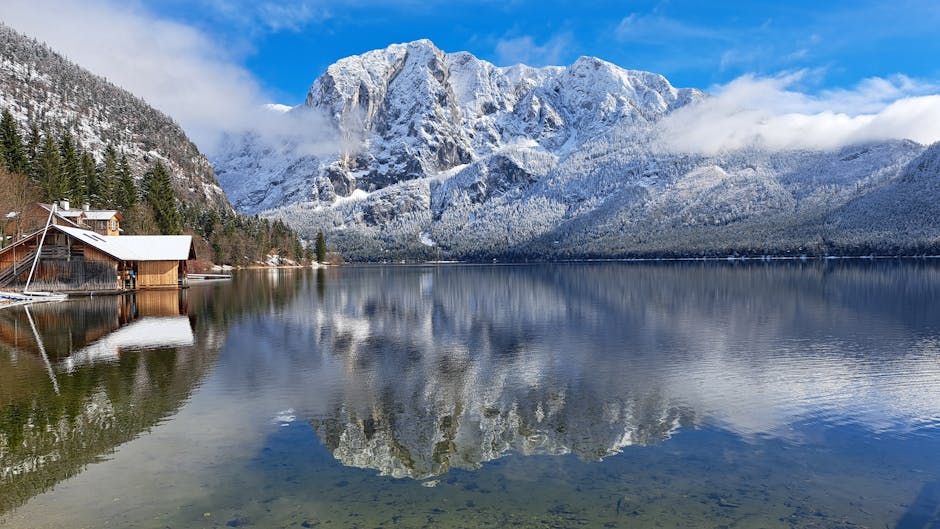
The best wild swimming spots in the UK for beginners offer calm waters, easy access, and stunning natural beauty that will transform your perception of outdoor swimming forever. If you’ve been watching those idyllic photos of wild swimmers gliding through crystal-clear lakes and thinking “I could never do that,” you’re about to discover just how wrong you are.
Related reading: Easy Indoor Plants for Beginners That Transform Your Home Without the Stress.
📖 Reading time: 21 minutes
Picture this: You’re scrolling through social media on a warm Sunday morning, seeing yet another friend post about their exhilarating wild swim. They look energized, refreshed, and genuinely happy. You feel a pang of envy mixed with uncertainty. The idea appeals to you, but where on earth do you start? The ocean seems too intimidating, and you’re not even sure where these secret swimming spots are hidden. Meanwhile, your usual gym routine feels increasingly stale, and you’re craving something that connects you with nature whilst still getting proper exercise.
Common Myths About Wild Swimming for Beginners
For more on this topic, you might enjoy: Cold Showers and Ice Baths Transform Your Health in 30 Days
Myth: You Need to Be an Expert Swimmer
Reality: The best wild swimming spots in the UK for beginners feature shallow, calm waters where you can touch the bottom easily. Unlike pool swimming, wild swimming often involves more floating, wading, and gentle movement rather than athletic lengths. Many dedicated wild swimming locations have gradual entry points and minimal currents, making them safer than you’d imagine. That said, basic swimming competence is essential—you should be comfortable in water and able to swim at least 25 meters unaided.
Myth: Wild Swimming Is Only for Summer
Reality: Whilst summer offers the warmest waters, many wild swimmers prefer autumn and spring for fewer crowds and more dramatic scenery. The key is proper preparation and choosing the right spots. Water temperatures in UK lakes and rivers typically range from 4°C in winter to 20°C in summer. For beginners, starting between May and September when temperatures reach 12-18°C provides a comfortable introduction without requiring specialized cold-water gear immediately.
Myth: All Wild Swimming Spots Are Remote and Hard to Find
Reality: Hundreds of accessible wild swimming locations exist within easy reach of major UK cities, many with car parks, changing facilities, and clear signage. The Outdoor Swimming Society has documented over 600 official sites, and organizations like Wild Swimming UK provide detailed information about access, facilities, and safety considerations for each location.
Why the Best Wild Swimming Spots in the UK for Beginners Stand Apart
Not all wild swimming locations suit first-timers. The ideal beginner spots share specific characteristics that distinguish them from challenging open-water environments. These venues offer shallow entry points where you can walk in gradually, testing the temperature and building confidence. The water remains relatively calm, without strong currents or unpredictable tides. Visibility tends to be good, so you can see where you’re placing your feet. And crucially, other people typically swim there, providing both safety in numbers and reassurance that the location is genuinely swimmable.
According to RNLI guidance on open water swimming, beginners should prioritize designated swimming areas with lifeguard supervision until they’ve developed proper water confidence and safety awareness. These supervised locations offer an excellent stepping stone toward more adventurous wild swimming experiences.
The psychological benefits prove equally important. Research from the University of Cambridge and University of Portsmouth suggests that cold water swimming may reduce inflammation and boost mood-regulating hormones. But these benefits only materialize if you actually enjoy the experience and return regularly. Choosing beginner-friendly locations ensures your first encounters with wild swimming feel magical rather than terrifying.
England’s Most Accessible Wild Swimming Locations for First-Timers
You may also find this helpful: 25 Epic Active Vacation Destinations That Will Transform Your Fitness Journey Forever
England boasts an impressive array of gentle wild swimming spots perfect for building confidence. These aren’t extreme adventure locations—they’re beautiful, manageable places where you can ease yourself into this transformative activity.
Lake District: Silecroft Beach
This expansive sandy beach on Cumbria’s coast provides one of the gentlest introductions to wild swimming you’ll find anywhere. The gradual slope means you can walk out dozens of meters whilst still touching bottom, and the sand underfoot feels reassuring compared to rocky lake beds. On calm days, the Irish Sea here resembles a massive paddling pool, with small waves that add excitement without danger. The beach remains surprisingly quiet even during peak season, and the backdrop of the Lake District fells creates a stunning setting. Free parking sits directly behind the beach, and public toilets are available year-round.
Cotswolds: Cotswold Water Park
This network of 150 lakes formed from former gravel pits near Cirencester offers multiple designated swimming areas with proper facilities. The water remains calmer than natural lakes because the surrounding landscape provides wind protection. Several lakes have swimming platforms, changing rooms, and even cafés. Beach Lake and Lake 32 specifically welcome swimmers, with clear signage and seasonal lifeguard patrols. The water temperature tends to be slightly warmer than natural lakes because of the shallow depth and good sun exposure.
Peak District: Hathersage Open Air Swimming Pool
Whilst technically a lido rather than pure wild swimming, this heated outdoor pool provides an ideal transition point for nervous beginners. The pool uses natural spring water and sits in a spectacular moorland setting. Swimming here builds confidence for colder natural waters whilst offering safety and supervision. Many wild swimmers use Hathersage as training ground before venturing into nearby rivers and reservoirs. The facility operates from May through September, with water temperatures maintained around 25°C.
Hampshire: Farley Mount
This spring-fed swimming lake near Winchester was purpose-built for wild swimming with beginners specifically in mind. The lake features a marked swimming area, gradual entry, and excellent water quality. Changing facilities, toilets, and a small café make the experience comfortable for first-timers who aren’t ready to change behind a towel in a car park. The surrounding downland provides shelter from wind, and the tree-lined edges create a sense of privacy without isolation.
Scotland’s Best Wild Swimming Spots for Beginners: Where Nature Meets Accessibility
Scotland’s wild swimming reputation focuses on dramatic lochs and rugged coastlines, but numerous gentle locations exist for those starting their journey. The best wild swimming spots in the UK for beginners include several Scottish venues that combine stunning scenery with manageable conditions.
River Tay at Grandtully
This Perthshire location offers shallow rapids perfect for first-time river swimming. The current here provides gentle movement without danger, and the rocky riverbed is visible throughout. Multiple entry and exit points mean you can choose your adventure level. Many families swim here during summer, creating a sociable atmosphere that reassures nervous beginners. The nearby village has parking and a pub, adding to the accessibility. Water depth ranges from ankle-deep at the edges to chest-deep in the main channel, letting you control your exposure.
Loch Morlich
Set within the Cairngorms National Park, Loch Morlich provides a beach-like wild swimming experience with mountain views. The sandy shoreline slopes gently, and the designated swimming area remains relatively shallow. Being a glacial loch, the water stays cool even in summer, but the gradual entry lets you acclimatize slowly. The location includes changing facilities, toilets, a café, and a large car park. The beach gets busy on warm weekends, which provides safety in numbers for beginners.
Wales’s Hidden Gems: Beginner-Friendly Wild Swimming Adventures
Welsh wild swimming tends to focus on spectacular but challenging locations, yet several spots suit those just beginning. These venues showcase Wales’s natural beauty whilst providing safe, manageable swimming conditions that won’t overwhelm newcomers to wild swimming.
Pembrokeshire: Blue Lagoon (Abereiddy)
This former slate quarry now filled with seawater creates a unique swimming environment perfect for building confidence. The lagoon connects to the ocean through a narrow gap, creating gentle water movement without dangerous currents. The depth increases gradually from the sloped entry point, and the surrounding walls provide shelter from wind. The vivid blue-green water color comes from minerals in the rock, creating Instagram-worthy swimming conditions. Parking sits just minutes from the water’s edge, and the site attracts regular swimmers who can provide informal advice and reassurance.
Brecon Beacons: Pontsticill Reservoir
This large reservoir near Merthyr Tydfil welcomes swimmers along designated sections of its shoreline. The water remains calm thanks to the sheltered valley location, and multiple entry points let you choose your spot. The shore combines grass, sand, and pebbles, with gradual slopes into the water. Parking facilities and walking paths make the location easily accessible, and the mountain backdrop provides dramatic scenery. The reservoir hosts regular swimming events, creating a community atmosphere that helps beginners feel welcome.
Northern Ireland’s Approachable Wild Swimming Locations
Northern Ireland’s compact size means most wild swimming spots sit within easy reach of Belfast or Londonderry. The best wild swimming spots in the UK for beginners include several Northern Irish locations combining stunning settings with manageable conditions.
Strangford Lough at Ringhaddy
This sheltered inlet provides calm, clear water perfect for first-time wild swimmers. The lough connects to the sea but remains protected from large waves and strong currents. The gradual sandy bottom lets you walk out slowly, and the relatively warm water temperature (by Irish standards) makes acclimatization easier. The location stays quiet even during peak season, but other swimmers typically visit on warm days, providing company without crowds. Basic parking exists near the water’s edge.
Essential Safety Considerations for Beginner Wild Swimmers
Even the best wild swimming spots in the UK for beginners require proper safety awareness. Wild water differs fundamentally from swimming pools, and understanding these differences prevents accidents and builds confidence.
Never swim alone, especially when starting out. Take a friend who can assist if you get into difficulty, and stay close enough to shore that you could walk or wade back if needed. A brightly colored swim cap or tow float makes you visible to other water users and provides emergency flotation. These inflatable devices attach to your waist with a cord and don’t interfere with swimming whilst dramatically improving safety.
Water temperature affects your body more quickly than air temperature. Cold water shock can occur in temperatures below 15°C, causing involuntary gasping and hyperventilation. Enter slowly, letting your body adjust gradually. Many beginners find a wetsuit helpful for water temperatures below 16°C, extending comfortable swimming time and reducing shock. Look for swimming-specific wetsuits rather than surfing models—they’re more flexible and easier to swim in.
Check local conditions before every swim. Heavy rain can transform calm rivers into dangerous torrents within hours. Algal blooms sometimes affect lakes during warm weather, making swimming inadvisable. The Environment Agency provides water quality data for many popular swimming locations, helping you make informed decisions.
Your First Month Action Plan: Building Wild Swimming Confidence Gradually
Success with wild swimming comes from gradual progression rather than dramatic leaps. This four-week plan helps you develop skills, confidence, and comfort with natural water environments. Each step builds on the previous one, creating a solid foundation for lifelong wild swimming enjoyment.
- Week One: Visit three potential swimming spots during warm weather without actually swimming. Wade in ankle-deep, observe other swimmers, assess facilities and access. Take photos. This reconnaissance removes uncertainty and helps you choose your first actual swimming location. Spend 20-30 minutes at each spot, noting water clarity, entry points, and how busy the location gets.
- Week Two: Choose your most appealing location and plan your first swim for a warm afternoon when other swimmers will be present. Bring a friend for safety and confidence. Enter slowly, spending 5-10 minutes in the water. Don’t pressure yourself to actually swim—wading and floating count as success. Focus on how the water feels and practice controlled breathing. Bring warm clothes and a hot drink for afterwards.
- Week Three: Return to the same location or try a second spot from your reconnaissance list. Spend 15-20 minutes in the water, attempting gentle swimming strokes. Stay in your depth. Practice putting your face in the water and opening your eyes underwater. This week, focus on relaxation rather than distance or speed. Many beginners find the breaststroke with head above water most comfortable initially.
- Week Four: Graduate to a slightly more challenging location—perhaps one with deeper water or cooler temperatures. Swim for 20-30 minutes, experimenting with different strokes and speeds. Try swimming to a specific point and back. If you’ve been swimming in a wetsuit, experiment with just a swimming costume on a warm day to feel the temperature difference. Book your calendar for regular swims moving forward.
Common Mistakes to Avoid (And How to Fix Them)
First-time wild swimmers consistently make predictable errors that reduce enjoyment and increase risk. Learning from others’ experiences helps you avoid these pitfalls and progress more smoothly toward confident wild swimming.
Mistake 1: Choosing a Challenging Location for Your First Swim
Why it’s a problem: Starting with cold, deep, or current-filled water overwhelms your nervous system and creates negative associations. If your first wild swimming experience feels frightening, you’re unlikely to return. Many people abandon wild swimming entirely after one traumatic attempt at an inappropriate location.
What to do instead: Be ruthlessly realistic about your current comfort level. Choose locations explicitly described as beginner-friendly, with shallow areas, calm water, and good visibility. The best wild swimming spots in the UK for beginners aren’t necessarily the most dramatic or Instagram-worthy—they’re the ones that make you feel safe and want to come back. Save the impressive locations for when you’ve built proper confidence and skills.
Mistake 2: Swimming Too Long on Your First Attempts
Why it’s a problem: Cold water exhaustion creeps up gradually, then hits suddenly. Your muscles stop working effectively, coordination deteriorates, and the short swim back to shore becomes surprisingly difficult. This dangerous situation arises even in water that doesn’t feel particularly cold initially.
What to do instead: Set conservative time limits and stick to them rigidly. Five to ten minutes proves plenty for your first swim, even if you feel fine. Increase duration by just five minutes per session. Exit the water before you feel cold—by the time you’re shivering, you’ve stayed too long. Your body continues cooling for several minutes after exiting (called the “afterdrop”), so stopping whilst you still feel comfortable prevents problems.
Mistake 3: Inadequate Post-Swim Warming Strategy
Why it’s a problem: The afterdrop effect means your core temperature continues falling for 10-20 minutes after leaving cold water. Inadequate warming gear can lead to prolonged shivering, difficulty getting dressed, and feeling unwell for hours afterward. This miserable experience makes people reluctant to repeat the activity.
What to do instead: Pack a complete warming kit including a large towel or changing robe, warm dry clothes (including a hat), and a hot drink in a flask. Change immediately after exiting the water, starting with your top half to protect your core. Layer clothing rather than putting on one thick item. Gentle movement like walking helps generate warmth, but avoid intense exercise which can worsen the afterdrop. Something like a thick fleece-lined changing robe makes the process much more comfortable—look for ones that are water-resistant on the outside and extend to knee length for modesty and warmth.
Mistake 4: Ignoring Water Quality Information
Why it’s a problem: Beautiful clear water isn’t always clean water, and murky water isn’t necessarily contaminated. Swimming in polluted water causes ear infections, stomach problems, and skin irritation. Some locations experience temporary pollution after heavy rain when sewage systems overflow, making timing crucial.
What to do instead: Research water quality before visiting any wild swimming location. Check the Environment Agency’s bathing water quality ratings for coastal areas. Join local wild swimming groups on social media where members share current conditions and any temporary problems. Avoid swimming within 48 hours of heavy rainfall in locations downstream from farms or urban areas. If the water smells unpleasant or has visible foam or discoloration, skip that swim regardless of how far you’ve traveled.
Mistake 5: Wearing Inappropriate Clothing or Equipment
Why it’s a problem: Regular swimwear designed for heated pools provides minimal insulation in natural water. Cotton clothing becomes heavy and restrictive when wet. Inappropriate footwear leads to cuts on sharp rocks or stones. These equipment failures transform potentially enjoyable swims into uncomfortable ordeals.
What to do instead: Invest in proper wild swimming gear gradually as you progress. Start with a brightly colored swim cap for visibility and warmth. Consider neoprene swim socks or beach shoes for locations with rocky entries—look for ones with good grip and quick-drying materials. For swimming in water below 16°C, a wetsuit extends your comfortable swimming time significantly. A small dry bag keeps car keys and phone safe while you swim. Build your kit gradually rather than buying everything at once, learning what you actually need through experience.
What to Wear: Practical Clothing Guidance for Different Conditions
The best wild swimming spots in the UK for beginners feature varying water temperatures throughout the season, requiring different clothing approaches. Understanding how to dress for different conditions transforms your experience from endurance test to genuine pleasure.
For water temperatures above 18°C (typical in lakes and rivers during July and August), standard swimming costumes work perfectly well. Add a brightly colored silicone cap for visibility and warmth. These conditions feel similar to slightly cool pool water, letting you swim comfortably for 30-45 minutes without specialized gear.
Between 14-18°C (May, June, and September typically), consider a wetsuit for swims longer than 20 minutes. Shortie wetsuits covering torso and thighs provide good insulation whilst maintaining freedom of movement. Full-length wetsuits offer more warmth for early season swimming. The investment seems significant initially, but a good wetsuit lasts years and dramatically extends your swimming season.
Below 14°C (October through April), beginners should use full wetsuits, neoprene gloves, and boots for any swim longer than ten minutes. Alternatively, embrace very short swims of 3-5 minutes in just a swimming costume, focusing on the invigoration rather than distance. Many experienced swimmers prefer brief intense cold exposure to longer wetsuit swims, but this approach requires confidence that develops over time.
Understanding Water Conditions: Reading Your Environment
Successful wild swimming requires developing environmental awareness that pool swimming never teaches. The best wild swimming spots in the UK for beginners provide relatively stable conditions, but understanding how to assess water safety builds confidence for all future swimming adventures.
Water clarity indicates both safety and cleanliness. Being able to see your feet in waist-deep water suggests good visibility and lets you avoid underwater obstacles. Murky water isn’t necessarily unsafe, but it increases difficulty and risk for beginners. Very clear water in lakes and reservoirs sometimes indicates cold temperatures—glacial meltwater produces crystal clarity but numbingly cold conditions.
Surface conditions reveal underlying currents and wind effects. Gentle ripples indicate light wind with minimal current. Whitecaps and choppy water suggest stronger wind that will make swimming more difficult. Look for debris or leaves floating on the surface and watch their movement—if they’re moving steadily in one direction, a current exists that might affect your swim.
Other water users provide valuable information. If you arrive at a swimming spot and find regular swimmers already in the water, conditions are probably fine. If the location sits empty on a warm day when you’d expect swimmers, consider why locals might be avoiding it. Don’t let ego push you into swimming when more experienced people have decided against it.
Building a Wild Swimming Community
Wild swimming becomes more enjoyable, safer, and sustainable when you connect with other swimmers. The UK hosts hundreds of wild swimming groups ranging from informal Facebook communities to organized clubs with regular meets. These connections transform wild swimming from solitary pursuit to social activity whilst improving safety.
Local groups know the best wild swimming spots in the UK for beginners within your area, including hidden gems that don’t appear in guidebooks. Experienced members provide advice about equipment, technique, and safety. Many groups organize regular swims where beginners can join experienced swimmers, learning through observation and benefiting from group safety.
The Outdoor Swimming Society maintains a directory of organized groups across the UK. Many areas have women-only groups that provide a comfortable introduction for those nervous about swimming in public spaces. LGBTQ+ swimming groups exist in most major cities. Age-specific groups cater to younger or older swimmers seeking peers at similar life stages.
Online communities prove equally valuable, offering advice about specific locations, current conditions, and equipment recommendations. Social media groups dedicated to wild swimming buzz with questions from beginners and patient answers from veterans. This collective knowledge helps you avoid mistakes and discover locations you’d never find independently.
Quick Reference Checklist: Your Wild Swimming Essentials
- Research your chosen location thoroughly including access, facilities, and current water quality reports
- Check weather conditions and water temperature before each swim, adjusting plans if conditions have deteriorated
- Pack warm layered clothing, towels, and a hot drink for post-swim warming
- Bring a brightly colored swim cap and consider a tow float for visibility and emergency flotation
- Never swim alone—bring a friend or join an organized group swim
- Enter water gradually, allowing your body to adjust to temperature changes
- Set conservative time limits and exit before you feel cold
- Stay within your depth and close to shore until you’ve built significant experience
Frequently Asked Questions
What water temperature is safe for beginner wild swimmers?
Water temperatures above 12°C are generally safe for beginners with proper acclimatization and reasonable time limits. Between 12-16°C, limit initial swims to 10-15 minutes and wear a wetsuit if you feel uncomfortable. Above 16°C, you can swim comfortably in regular swimwear for 20-30 minutes as a beginner. The most important factor is entering gradually and listening to your body’s signals. If you start shivering, experience numbness, or struggle with coordination, exit immediately regardless of temperature.
Do I need special insurance for wild swimming?
Standard health insurance doesn’t typically cover wild swimming injuries or rescue costs. British Canoeing membership (which covers swimmers despite the name) provides liability insurance and personal accident cover for around £45 annually. The Outdoor Swimming Society membership includes third-party insurance for £35 per year. Many travel and sports insurance policies now offer wild swimming coverage as an add-on. Check your existing policies carefully, as some exclude open water activities entirely.
How do I overcome fear of fish, weeds, or unseen underwater objects?
This extremely common fear affects most beginners and reduces with exposure. Start at locations with clear water and visible bottoms where you can see exactly what’s below you. Choose spots with sandy or pebbly bottoms rather than weedy lakes initially. Remember that UK fish are small, harmless, and generally avoid humans. Weeds feel unpleasant but aren’t dangerous—they don’t grab or entangle as horror films suggest. Gradually swimming in slightly murkier conditions helps you build tolerance. Many wild swimmers find that wearing goggles and looking underwater demystifies the environment and reduces fear.
Can I wild swim if I’m not particularly fit or athletic?
Absolutely—wild swimming suits all fitness levels because you control the intensity, duration, and distance entirely. Many people find wild swimming more accessible than gym workouts or running because the water supports your body weight and reduces impact on joints. The best wild swimming spots in the UK for beginners let you wade, float, and swim gently without pressure to perform athletically. Start with short five-minute sessions and build gradually. Wild swimming emphasizes experience and connection with nature over fitness achievements, making it welcoming for people who feel intimidated by traditional exercise environments.
When will I start feeling confident and actually enjoying wild swimming?
Most beginners report a significant confidence shift after 4-6 swimming sessions across 3-4 weeks. The first swim typically feels overwhelming with nerves and cold water shock dominating the experience. The second and third swims feel slightly easier as you know what to expect. By the fifth or sixth swim, you’ll notice yourself anticipating the experience positively rather than anxiously. Full confidence often takes a full season (3-4 months of regular swimming) to develop. The transformation from nervous beginner to confident wild swimmer happens gradually, then suddenly—one day you’ll realize you’re excited rather than apprehensive about your planned swim.
Taking Your First Plunge: You’re Ready
The best wild swimming spots in the UK for beginners are waiting for you right now, offering experiences that will energize your body, calm your mind, and connect you with nature in ways you’ve never imagined. You don’t need to be an athlete, an adrenaline junkie, or fearless. You just need to choose an appropriate location, follow sensible safety guidelines, and give yourself permission to start small.
Remember that every confident wild swimmer you see gliding through lakes and rivers started exactly where you are now—uncertain, perhaps nervous, but curious about what this activity might offer. They took that first tentative wade into chilly water, experienced the gasping shock and exhilaration, and decided to try again. The remarkable transformation they’ve undergone is available to you too.
Choose one location from this guide, pick a warm day within the next two weeks, and commit to at least wading in. You don’t need to swim laps or stay in for hours. Just experience that first moment of natural water against your skin and see how it makes you feel. The chances are excellent that you’ll understand immediately why millions of people have fallen in love with wild swimming. Your relationship with water, nature, and outdoor adventure is about to change forever. The hard part isn’t the swimming—it’s making the decision to begin. You’ve already done the research. Now take the plunge.


