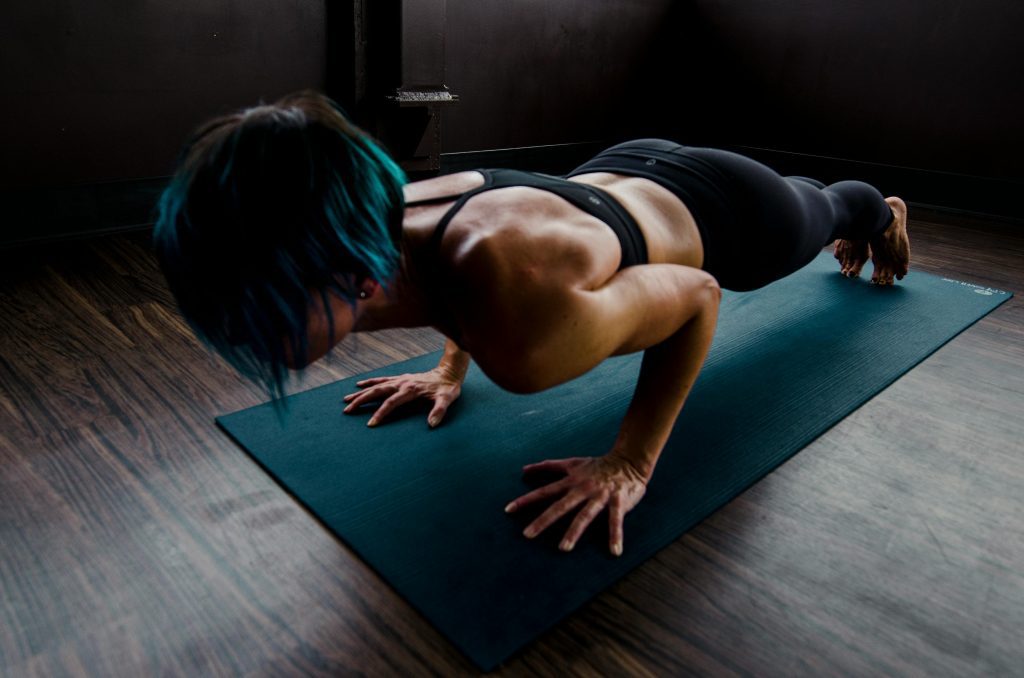
Your lower back aches after a day at your desk. You struggle to carry shopping bags up the stairs. You’ve tried countless sit-ups, yet your core still feels weak and your posture remains slumped. Sound familiar?
Related reading: Practical Minimalism for Busy Families: Real Solutions That Actually Fit Your Life.
📖 Reading time: 17 minutes
Picture this: You’re at the end of another long workday, and your back is screaming. You’ve been told a thousand times that you need a stronger core, but endless crunches haven’t made a difference. Meanwhile, your friend Emma from Bristol seems to breeze through physically demanding days without complaint. What’s her secret? She’s discovered that effective core strengthening isn’t about mindless repetitions—it’s about targeted movements that engage your entire midsection, not just your abs.
Common Myths About Core Strengthening Exercises
For more on this topic, you might enjoy: Core Strengthening Exercises: Your Complete Guide to Building a Stronger Middle.
Myth: Crunches and Sit-Ups Are the Best Way to Strengthen Your Core
Reality: Traditional crunches actually target only a small portion of your core muscles and can strain your neck and spine. According to NHS guidance on back exercises, movements that engage your entire trunk—including your deep stabilizing muscles—are far more effective for building functional strength and protecting your spine. Your core includes your obliques, transverse abdominis, lower back muscles, and hip flexors, all of which need attention.
Myth: You Need Expensive Gym Equipment for Effective Core Work
Reality: Your body weight provides everything you need for comprehensive core strengthening. Research from the University of Birmingham found that bodyweight exercises like planks and bird dogs activate core muscles more effectively than many machine-based exercises. The key is proper form and progressive challenge, not fancy equipment.
Myth: Core Exercises Should Make Your Abs Burn
Reality: That burning sensation doesn’t indicate a good workout—it’s often just muscle fatigue in your superficial abs. Effective core strengthening exercises should feel challenging but controlled, with tension distributed throughout your midsection. If you’re only feeling it in one spot, you’re likely compensating with the wrong muscles.
Why Traditional Ab Work Falls Short
Related: 15 Low Impact Cardio Exercises That Protect Your Joints While Burning Serious Calories.
Here’s the thing: your core isn’t just about aesthetics or achieving that elusive six-pack. It’s your body’s stabilization system, the foundation for virtually every movement you make. When you bend to tie your shoes, carry a child, or simply stand upright, your core muscles work together to protect your spine and generate power.
The problem with conventional ab workouts is they focus on isolated muscle groups rather than functional movement patterns. You end up with muscles that look defined but don’t actually support your daily activities. What’s more, repetitive forward-flexion movements like crunches can actually worsen posture problems for people who already spend hours hunched over computers.
Research from Loughborough University demonstrates that exercises engaging multiple muscle groups simultaneously—what fitness professionals call “compound movements”—produce superior results for core strength, stability, and injury prevention. These movements mirror how your body actually moves in real life, making you stronger where it counts.
The 7 Most Effective Core Strengthening Exercises
You may also find this helpful: 7 Quick Abs Exercises You Can Do in 15 Minutes (No Equipment Needed).
These exercises require no equipment, minimal space, and deliver maximum results. Each one engages multiple core muscle groups while building functional strength that translates to everyday activities.
1. The Plank (and Variations)
The plank is the gold standard of core strengthening exercises for good reason. It engages your entire trunk while teaching your body to maintain neutral spine alignment—exactly what you need for better posture and back health.
How to do it: Start on your forearms and toes, body forming a straight line from head to heels. Pull your navel toward your spine, squeeze your glutes, and breathe steadily. Don’t let your hips sag or pike upward. Hold for 20-30 seconds initially, building toward 60 seconds.
Why it works: According to BBC Health research, planks activate the transverse abdominis—your deep core stabilizer—more effectively than any other single exercise. This muscle acts like a natural corset, supporting your spine and internal organs.
Progressions: Once standard planks feel manageable, try side planks to target your obliques, or add alternating shoulder taps to increase the stability challenge. These variations prevent boredom and ensure continued progress.
2. Dead Bug
Don’t let the quirky name fool you—the dead bug is a powerhouse movement for building core control and coordination. It teaches your core to maintain stability while your limbs move independently, which is essential for walking, running, and virtually every sport.
How to do it: Lie on your back with arms extended toward the ceiling and knees bent at 90 degrees. Slowly lower your right arm overhead while simultaneously straightening your left leg, hovering it just above the floor. Keep your lower back pressed gently against the ground. Return to start and alternate sides. Complete 8-10 repetitions per side.
Why it works: This exercise challenges your core’s anti-extension strength—its ability to resist arching. Many people have weak anti-extension strength, which contributes to lower back pain and poor posture. The dead bug addresses this deficit directly.
3. Bird Dog
The bird dog builds balance, coordination, and back strength while engaging your entire core. It’s particularly valuable for anyone experiencing lower back discomfort, as it strengthens the muscles that support your spine without compressing it.
How to do it: Start on hands and knees, wrists under shoulders and knees under hips. Extend your right arm forward and left leg back simultaneously, forming a straight line from fingertips to heel. Hold for 3-5 seconds, focusing on stability. Return to start and alternate sides. Complete 8-10 repetitions per side.
Why it works: Research shows that bird dogs activate the erector spinae and multifidus muscles—small but crucial stabilizers that run along your spine. Strengthening these muscles significantly reduces the risk of back injury during daily activities.
4. Mountain Climbers
Mountain climbers add a cardiovascular element to core strengthening, making them perfect for time-efficient workouts. They challenge your core’s stability while elevating your heart rate—essentially giving you strength and cardio benefits simultaneously.
How to do it: Start in a high plank position with hands under shoulders. Drive your right knee toward your chest, then quickly switch legs, bringing your left knee forward as your right leg returns. Keep your hips level and core engaged throughout. Continue alternating for 30-60 seconds.
Why it works: This dynamic movement forces your core to resist rotation and maintain alignment while your lower body moves rapidly. That’s exactly the type of stability you need for activities like running, climbing stairs, or playing with children.
5. Pallof Press (Wall Variation)
The Pallof press specifically targets anti-rotation strength—your core’s ability to resist twisting forces. This might sound technical, but it’s incredibly practical: every time you carry a heavy bag on one side or reach across your body, you’re relying on anti-rotation strength.
How to do it: Stand perpendicular to a wall with feet shoulder-width apart. Clasp your hands together at chest height. Press your arms straight out in front of you while resisting the urge to rotate toward the wall. Hold for 2-3 seconds, then bring hands back to chest. Complete 10-12 repetitions, then switch sides.
For increased resistance as you progress, a resistance band looped around a sturdy post works brilliantly for this movement. Look for medium resistance to start—you want challenge without compromising form.
Why it works: Many core exercises neglect rotational strength, yet this is where many injuries occur. The Pallof press fills this gap, building resilience in your obliques and deep stabilizers.
6. Glute Bridge
While primarily known as a glute exercise, the bridge is actually a superb core strengthener. It teaches your posterior chain—glutes, hamstrings, and lower back—to work in harmony, which is essential for healthy movement patterns.
How to do it: Lie on your back with knees bent and feet flat on the floor, hip-width apart. Press through your heels to lift your hips until your body forms a straight line from knees to shoulders. Squeeze your glutes firmly at the top and keep your core braced. Hold for 2-3 seconds, then lower with control. Complete 12-15 repetitions.
Why it works: According to research from Leeds Beckett University, weak glutes force your lower back to compensate during everyday movements, leading to pain and injury. Bridges strengthen the glute-core connection, relieving pressure on your spine.
7. Bicycle Crunches (Done Properly)
When performed correctly—which most people don’t—bicycle crunches are one of the few traditional ab exercises worth keeping in your routine. They effectively target your obliques while maintaining spinal safety.
How to do it: Lie on your back with hands gently supporting your head (not pulling). Lift your shoulders slightly off the ground and bring your right elbow toward your left knee while extending your right leg. Pause briefly, then switch sides in a smooth, controlled pedaling motion. The key is quality over speed—no jerking or neck pulling. Complete 12-16 total repetitions (each side counts as one).
Why it works: The rotation engages your obliques while the alternating leg movement challenges your lower abdominal muscles. Just remember: controlled movement trumps frantic pedaling every time.
Your First Three Weeks: A Progressive Action Plan
Consistency matters more than intensity when building core strength. This structured plan takes you from beginner to confident in just three weeks, with built-in progression to prevent plateaus.
- Week 1 (Days 1-7): Start with three exercises: planks (3 sets of 20 seconds), dead bugs (2 sets of 8 per side), and glute bridges (2 sets of 12). Perform this routine every other day, allowing rest days between sessions. Focus entirely on form—speed and duration don’t matter yet. Take note of how your body feels before and after each session.
- Week 2 (Days 8-14): Add bird dogs and bicycle crunches to your routine. Increase plank hold time to 30 seconds. Perform dead bugs, bird dogs, and bicycle crunches for 2 sets of 10 repetitions per side. Continue with 2 sets of 12-15 glute bridges. You can now exercise 4-5 days per week, but still include at least two complete rest days. You should notice improved stability during everyday activities.
- Week 3 (Days 15-21): Progress to the full seven-exercise circuit. Add mountain climbers (3 sets of 30 seconds) and Pallof presses (2 sets of 10 per side). Increase plank duration to 45 seconds. Perform this complete routine 4-5 times per week. At this point, you’re ready to experiment with variations like side planks or single-leg glute bridges to keep challenging your muscles.
Track your progress in a simple notebook or phone app—recording your hold times and repetitions provides concrete evidence of improvement, which is tremendously motivating when you’re building a new habit.
How to Structure Your Core Strengthening Workouts
The way you organize these exercises significantly impacts your results. Here’s what actually works, based on movement science and real-world testing.
Circuit Style Training
Rather than completing all sets of one exercise before moving on, perform one set of each exercise in sequence, then repeat the circuit. For example: plank for 30 seconds, rest 15 seconds, then dead bugs, rest, then bird dogs, and so on. Complete 2-3 full circuits. This approach maintains workout intensity while allowing specific muscles to recover between sets.
Timing and Frequency
Aim for 15-20 minute sessions, 4-5 times weekly. Your core muscles recover relatively quickly compared to larger muscle groups, so you can train them more frequently. Morning sessions often work well—they activate your core before daily activities, improving posture and movement quality throughout the day.
That said, consistency beats perfection. If you can only manage three 10-minute sessions weekly, that’s infinitely better than planning elaborate workouts you never complete.
Breathing Matters
Never hold your breath during core exercises. Proper breathing—inhaling through your nose and exhaling through your mouth—actually enhances core engagement. Exhale during the exertion phase (when pressing up, holding position, or moving your limbs) and inhale during the easier phase. This breathing pattern activates your deep core muscles more effectively.
The Warm-Up You Shouldn’t Skip
Spend 2-3 minutes before your core session doing gentle movement: marching in place, arm circles, or cat-cow stretches. This increases blood flow and primes your nervous system, reducing injury risk and improving exercise effectiveness. Cold muscles are stiff muscles, and stiff muscles don’t strengthen efficiently.
Mistakes to Avoid (And How to Fix Them)
Mistake 1: Letting Your Lower Back Arch During Floor Exercises
Why it’s a problem: An arched lower back during exercises like dead bugs or planks indicates your core isn’t actually engaged—you’re just hanging on your passive structures (ligaments and bones), which defeats the purpose and risks injury. This is one of the most common form errors, and it completely undermines your results.
What to do instead: Think about gently pressing your lower back toward the floor (without forcing it flat). Imagine you’re trying to leave an imprint of your spine on the ground beneath you. This engages your transverse abdominis—the deep stabilizer you’re trying to strengthen. If you can’t maintain this position, the exercise is too difficult; regress to an easier variation.
Mistake 2: Rushing Through Repetitions
Why it’s a problem: Core strengthening exercises aren’t cardio. Racing through movements relies on momentum rather than muscular control, teaching your body inefficient movement patterns. You might feel tired afterward, but you won’t build the stability and strength you’re seeking.
What to do instead: Move deliberately. Count to three during each phase of the movement. If the exercise involves holding a position, focus on maintaining perfect form rather than extending duration. Quality repetitions create results; quantity creates fatigue.
Mistake 3: Training Core in Isolation
Why it’s a problem: Your core doesn’t function independently in real life—it works in concert with your entire body. Strengthening it without addressing overall movement quality and whole-body strength leaves gaps in your fitness.
What to do instead: Complement your core work with compound movements like squats, lunges, and push-ups. These exercises require core stability while building total-body strength. A balanced fitness routine addresses multiple aspects of physical health simultaneously.
Mistake 4: Neglecting Progressions
Why it’s a problem: Your body adapts quickly to consistent stimuli. If you’re still doing the same 30-second planks six months from now, you’ve stopped improving. Stagnation is progress’s enemy.
What to do instead: Progress systematically every 2-3 weeks. Add duration, increase repetitions, try harder variations, or decrease rest periods. Small, incremental increases compound into significant strength gains over time. Keep a workout log to ensure you’re actually progressing, not just maintaining.
Mistake 5: Ignoring Pain Signals
Why it’s a problem: There’s a crucial difference between the discomfort of challenging work and pain that signals injury. Sharp pain, pinching sensations, or discomfort that worsens as you continue indicates something’s wrong. Pushing through this type of pain can cause serious injury.
What to do instead: Stop immediately if you experience sharp or worsening pain. Muscular fatigue and mild discomfort are normal; joint pain, shooting sensations, or numbness are not. If pain persists, consult a physiotherapist before continuing. The NHS provides physiotherapy services that can address movement issues before they become chronic problems.
Making Core Strengthening Fit Your Life
The perfect workout routine is the one you’ll actually maintain. Here’s how to make core strengthening exercises stick, regardless of your schedule or circumstances.
For Busy Professionals
You don’t need a full workout to benefit from core strengthening. Perform one or two exercises during your lunch break, or integrate them into your morning routine. A 5-minute plank and dead bug session before your shower provides genuine benefits—and it’s far superior to the 30-minute session you keep postponing.
For Parents
Children are surprisingly good workout companions once you reframe it as play. Planks become “who can hold still longest” contests. Mountain climbers transform into a silly game. Your kids get quality time with you, and you build strength. Better yet, you’re modelling healthy habits they’ll likely adopt themselves.
For People With Limited Mobility
Many core strengthening exercises can be modified for various ability levels. Planks can be performed against a wall rather than on the floor. Bird dogs can be done with smaller ranges of motion. Glute bridges work brilliantly even if standing exercises prove difficult. The principles of core engagement remain the same regardless of modification.
For Those Recovering From Injury
Core strengthening often plays a central role in rehabilitation, but it must be approached carefully. Work with a physiotherapist to determine which exercises suit your specific situation. Generally, exercises that maintain neutral spine alignment—like bird dogs and gentle planks—are safest during recovery, while movements involving rotation should wait until cleared by a healthcare professional.
Quick Reference Checklist
- Maintain neutral spine alignment throughout all exercises—no excessive arching or rounding
- Breathe steadily and deliberately; never hold your breath during exertion
- Prioritize controlled movement over speed or duration
- Progress gradually every 2-3 weeks by increasing time, repetitions, or difficulty
- Include rest days between sessions to allow proper recovery
- Perform core work 4-5 times weekly for optimal results
- Stop immediately if you experience sharp pain or discomfort that worsens
- Track your workouts in a journal or app to ensure consistent progress
Frequently Asked Questions
How long before I notice results from core strengthening exercises?
You’ll typically feel differences in stability and posture within 2-3 weeks of consistent practice—everyday activities like carrying shopping or maintaining good sitting posture will feel noticeably easier. Visible changes to muscle definition generally appear after 6-8 weeks, though this varies based on body composition and diet. Functional strength—your ability to move well and avoid injury—improves fastest, often within the first fortnight.
Can I do core exercises every day, or will that lead to overtraining?
Your core muscles recover more quickly than larger muscle groups, so you can train them more frequently than, say, your legs or chest. That said, 4-5 sessions weekly with at least two complete rest days typically produces better results than daily training, as recovery is when actual strength building occurs. Listen to your body—if you’re experiencing persistent soreness or declining performance, add another rest day.
I have lower back pain—are these exercises safe for me?
Many of these exercises, particularly planks, bird dogs, and glute bridges, are frequently used in physiotherapy for back pain management because they strengthen supporting muscles without compressing the spine. However, you should consult your GP or a physiotherapist before starting any new exercise programme if you’re experiencing ongoing back pain. They can assess your specific situation and recommend appropriate modifications. Generally, exercises that maintain neutral spine are safer than those involving repeated flexion or rotation.
Do I need any equipment to build a strong core effectively?
Not at all—bodyweight exercises provide everything you need for comprehensive core development, especially when you’re beginning or returning to fitness. That said, once you’ve built foundational strength, a simple resistance band can add variety to exercises like Pallof presses, and a yoga mat makes floor exercises more comfortable. These are helpful rather than essential. Look for a mat with decent thickness (at least 6mm) if you’re working on hard floors, as this protects your joints during extended sessions.
Will core strengthening exercises help me achieve visible abs?
Core strengthening builds the underlying muscles, but visible definition depends primarily on body fat percentage—abs don’t become visible until you reduce the fat layer covering them. That requires a combination of exercise, nutrition management, and often significant time. The good news is that a strong core improves your posture, stability, and overall appearance regardless of visible definition. Focus on functional strength first; aesthetics are a potential bonus rather than the primary goal.
Your Core Strength Journey Starts Today
Building genuine core strength isn’t about endless crunches or achieving a magazine-cover physique. It’s about creating a stable, resilient foundation that supports everything you do—from carrying groceries to playing with grandchildren to simply sitting comfortably through your workday.
The seven exercises outlined here engage your entire core, not just superficial muscles. They build functional strength that translates directly to better movement, reduced pain, and improved quality of life. More importantly, they work with minimal time investment and zero equipment, removing the common barriers that derail fitness goals.
Start with Week 1 of the action plan. Just three exercises, every other day, focusing entirely on form rather than speed or duration. Track your progress, celebrate small improvements, and trust that consistency compounds into remarkable results.
You don’t need to be perfect—you just need to begin. Your stronger, more capable future self is waiting. Pick one exercise from this list, set a timer for five minutes, and take that first step right now.


