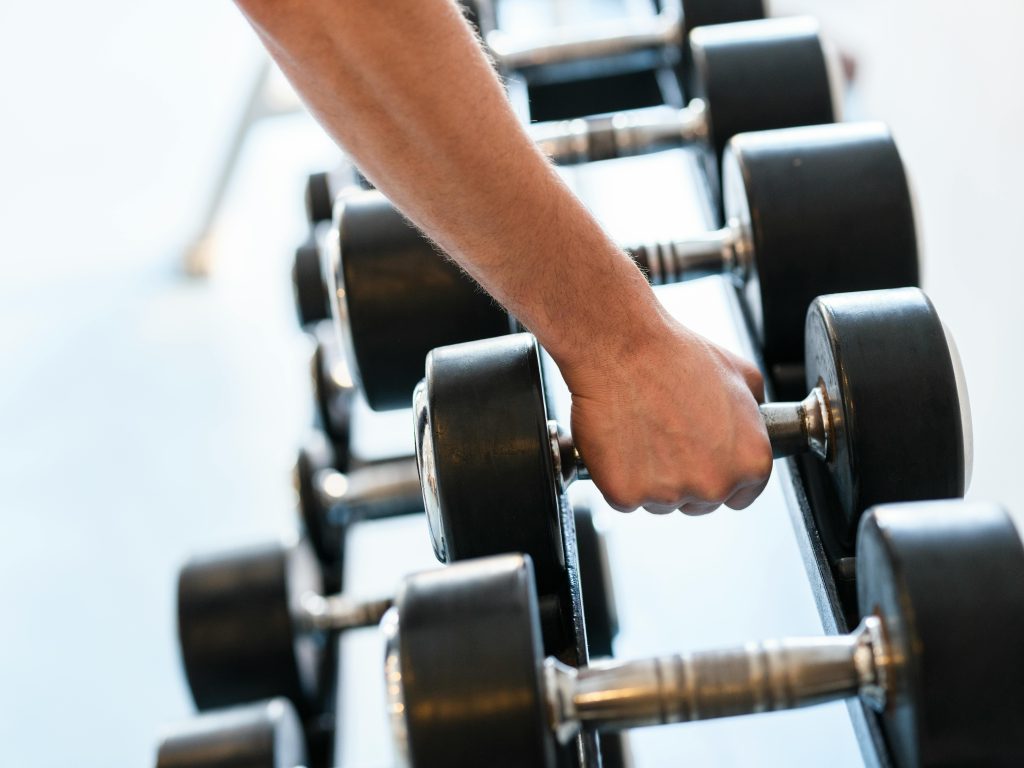
If you’ve been searching for a complete dumbbell workout plan for muscle building at home, you’re not alone. Thousands of UK residents have discovered that building impressive muscle doesn’t require an expensive gym membership or room full of equipment—just a solid plan and a pair of dumbbells.
📖 Reading time: 24 minutes
Picture this: You’re working from home, it’s 6pm, and the thought of commuting to a crowded gym fills you with dread. Yet you’re determined to build strength and add muscle to your frame. Sound familiar? The good news is that your spare bedroom, garage, or even living room can become your personal muscle-building laboratory. Research from the British Journal of Sports Medicine shows that home-based resistance training can be just as effective as gym workouts when programming and consistency are in place.
Common Myths About Dumbbell Training at Home
For more on this topic, you might enjoy: Beginner Push Pull Legs Workout Plan Explained: Your Foundation for Lasting Strength.
Before diving into your complete dumbbell workout plan for muscle building at home, let’s clear up some misconceptions that might be holding you back.
Myth: You Need a Full Gym to Build Serious Muscle
Reality: Dumbbells provide all the resistance your muscles need to grow. A study from McMaster University found that muscle growth occurs when muscles are worked to fatigue with proper form, regardless of whether you’re using dumbbells, barbells, or machines. What matters is progressive overload—gradually increasing the challenge—not the variety of equipment. Your muscles can’t tell the difference between a £5,000 cable machine and a well-programmed dumbbell routine.
Myth: Home Workouts Are Only for Beginners
Reality: Professional athletes and bodybuilders regularly incorporate dumbbell work into their training. Dumbbells actually offer unique advantages—they require greater stabilization than machines, recruit more muscle fibres, and allow for natural movement patterns. The limiting factor isn’t your location; it’s your commitment to progressive training principles.
Myth: You Need Hours Each Day to See Results
Reality: Quality trumps quantity every time. Research published in the European Journal of Applied Physiology demonstrates that focused 45-60 minute sessions, performed 4-5 times weekly, provide optimal muscle-building stimulus. Any more can actually hinder recovery and slow your progress. Your complete dumbbell workout plan for muscle building at home should prioritize intensity and technique over marathon sessions.
Why a Complete Dumbbell Workout Plan Works for Home Muscle Building
Dumbbells offer several advantages that make them perfect for home-based muscle building. Unlike barbells, they don’t require a squat rack or bench press setup. They take up minimal space—a pair can fit under your bed or in a cupboard. More importantly, they force each side of your body to work independently, addressing strength imbalances that often go unnoticed with barbell training.
The NHS recommends adults perform muscle-strengthening activities on at least two days per week, working all major muscle groups. A complete dumbbell workout plan for muscle building at home exceeds these guidelines whilst giving you complete control over your training environment, schedule, and progression.
What’s more, dumbbells allow for natural movement patterns that feel more comfortable for your joints. When you press a barbell overhead, your hands stay fixed in position. With dumbbells, your shoulders can rotate naturally throughout the movement, reducing strain whilst maximizing muscle engagement. This becomes increasingly important as you progress and lift heavier weights.
Essential Equipment for Your Dumbbell Muscle-Building Programme
You may also find this helpful: Full Body Resistance Band Workout: Your Complete Training Solution for Travel and Small Spaces.
Your complete dumbbell workout plan for muscle building at home requires surprisingly little equipment. Here’s what genuinely makes a difference:
A set of adjustable dumbbells is your primary investment. Look for options that allow quick weight changes and feel secure in your grip. Starting weights between 5-25kg per dumbbell suit most people, though your needs will vary based on current strength levels. The beauty of adjustable dumbbells is that they grow with you—no need to purchase multiple pairs as you get stronger.
An adjustable bench dramatically expands your exercise options. It allows you to perform incline presses, decline movements, and supported rowing variations that target muscles from different angles. Look for one that adjusts to multiple positions and feels stable at different angles. Many people find that investing in a quality bench makes their home setup feel more legitimate and motivates consistent training.
A yoga mat or exercise mat protects your floor and provides cushioning for floor-based exercises. Beyond that, everything else is optional. You don’t need a power rack, cable machine, or complex pulley systems. Your muscles respond to resistance and progressive challenge—nothing more.
The Science Behind Effective Muscle Building
Understanding how muscles actually grow helps you maximize results from your complete dumbbell workout plan for muscle building at home. Muscle growth, or hypertrophy, occurs through three primary mechanisms: mechanical tension, metabolic stress, and muscle damage.
Mechanical tension happens when you lift challenging weights through a full range of motion. This creates tiny tears in muscle fibres, which your body repairs during recovery, building them back slightly larger and stronger. That’s why progressive overload—gradually increasing weight, repetitions, or training volume—is non-negotiable for continued gains.
Metabolic stress refers to that burning sensation you feel during higher-repetition sets. This triggers the release of growth factors and increases blood flow to muscles, supporting growth. Research from the Journal of Strength and Conditioning Research suggests that combining heavy loads (6-8 reps) with moderate loads (8-12 reps) and higher repetitions (12-15 reps) optimizes muscle building.
Your muscles don’t actually grow during workouts—they grow during recovery. According to sports science research, muscles need 48-72 hours to fully recover from intense training. This is why your complete dumbbell workout plan for muscle building at home will incorporate strategic rest days and split routines that allow certain muscles to recover whilst you train others.
Your Complete Dumbbell Workout Plan for Muscle Building at Home: The Four-Day Split
This programme divides your training across four days, allowing you to work each muscle group intensely whilst ensuring adequate recovery. Each session lasts 45-60 minutes, making it sustainable even with a busy schedule.
Day 1: Chest and Triceps
Dumbbell Bench Press – 4 sets of 8-10 reps
This compound movement targets your entire chest, with significant involvement from your shoulders and triceps. Lower the dumbbells until you feel a stretch across your chest, then press explosively upward. Focus on controlled descent for 2-3 seconds, then drive up in 1 second.
Incline Dumbbell Press – 3 sets of 10-12 reps
Set your bench to a 30-45 degree angle. This variation emphasizes your upper chest, creating that full, developed look. Many people neglect upper chest development and wonder why their chest appears flat despite regular training.
Dumbbell Flyes – 3 sets of 12-15 reps
This isolation exercise stretches and contracts your chest through a wider range of motion than pressing movements. Use lighter weights than you’d expect—this isn’t about ego lifting. You should feel a deep stretch at the bottom and a strong contraction as you bring the weights together.
Close-Grip Dumbbell Press – 3 sets of 10-12 reps
Hold the dumbbells with a neutral grip (palms facing each other) and keep your elbows tucked close to your body. This variation hammers your triceps whilst still engaging your chest.
Overhead Dumbbell Extension – 3 sets of 12-15 reps
Stand or sit with a single dumbbell held overhead with both hands. Lower it behind your head until you feel a stretch in your triceps, then extend your arms fully. This exercise targets the long head of the triceps, contributing to arm thickness.
Day 2: Back and Biceps
Bent-Over Dumbbell Row – 4 sets of 8-10 reps
Hinge at your hips, maintain a flat back, and pull the dumbbells toward your lower ribs. This compound movement builds thickness throughout your entire back. Squeeze your shoulder blades together at the top of each repetition.
Single-Arm Dumbbell Row – 3 sets of 10-12 reps per arm
Place one knee and hand on a bench for support. This variation allows you to focus on one side at a time, often leading to better mind-muscle connection and addressing any strength imbalances.
Dumbbell Pullover – 3 sets of 12-15 reps
Lie perpendicular across a bench with only your upper back supported. Hold a dumbbell above your chest with both hands, then lower it behind your head in an arc. This unique movement expands your ribcage and works both your lats and chest.
Dumbbell Bicep Curl – 3 sets of 10-12 reps
Stand with dumbbells at your sides, palms facing forward. Curl the weights whilst keeping your elbows stationary. Resist the urge to swing or use momentum—strict form builds bigger biceps.
Hammer Curl – 3 sets of 12-15 reps
Keep your palms facing each other throughout the movement. This variation targets your brachialis and brachioradialis muscles, adding width to your arms and building grip strength.
Day 3: Shoulders and Abs
Seated Dumbbell Shoulder Press – 4 sets of 8-10 reps
Press the dumbbells overhead until your arms are fully extended, then lower them to shoulder level. This compound movement builds mass across all three heads of your deltoids. According to research from the American Council on Exercise, the dumbbell shoulder press activates the deltoids more effectively than many machine alternatives.
Lateral Raise – 3 sets of 12-15 reps
With a slight bend in your elbows, raise the dumbbells out to your sides until they reach shoulder height. This isolation exercise specifically targets your side deltoids, creating that coveted wide-shoulder appearance.
Bent-Over Rear Delt Fly – 3 sets of 12-15 reps
Hinge forward at your hips and raise the dumbbells out to your sides, focusing on your rear deltoids. Most people underdevelop their rear delts, leading to rounded shoulders and poor posture. This exercise corrects that imbalance.
Front Raise – 3 sets of 10-12 reps
Raise one dumbbell at a time in front of you to shoulder height. This targets the front of your shoulders, complementing the pressing movements in your complete dumbbell workout plan for muscle building at home.
Dumbbell Shrug – 3 sets of 15-20 reps
Hold dumbbells at your sides and elevate your shoulders straight up toward your ears. This simple movement builds your trapezius muscles, creating a powerful upper-back appearance.
Weighted Sit-Up – 3 sets of 15-20 reps
Hold a dumbbell at your chest whilst performing sit-ups. Adding resistance to core work builds abdominal thickness and strength that bodyweight exercises alone can’t achieve.
Day 4: Legs
Goblet Squat – 4 sets of 10-12 reps
Hold a dumbbell vertically at chest height with both hands. Squat down until your thighs are parallel to the ground or lower. This variation keeps you upright, protecting your lower back whilst thoroughly working your quadriceps, glutes, and core.
Romanian Deadlift – 4 sets of 10-12 reps
Hold dumbbells in front of your thighs, maintain a slight knee bend, and hinge at your hips. Lower the weights along your legs until you feel a stretch in your hamstrings, then drive your hips forward to stand. This movement is essential for building strong, muscular hamstrings and glutes.
Bulgarian Split Squat – 3 sets of 10-12 reps per leg
Place your rear foot on a bench and hold dumbbells at your sides. Lower your back knee toward the ground, then drive through your front foot to stand. This unilateral exercise challenges your balance whilst building serious leg strength.
Dumbbell Lunge – 3 sets of 12 reps per leg
Step forward with one leg and lower your body until both knees form 90-degree angles. Push back to standing and repeat on the other side. Lunges work your entire lower body whilst improving coordination and balance.
Single-Leg Calf Raise – 3 sets of 15-20 reps per leg
Hold a dumbbell in one hand and stand on the corresponding leg. Rise onto your toes, hold briefly, then lower slowly. Working one calf at a time ensures balanced development and allows you to use your body weight plus added resistance effectively.
Progressive Overload: The Key to Continuous Muscle Growth
Your complete dumbbell workout plan for muscle building at home only works if you consistently challenge your muscles beyond their current capacity. This principle, called progressive overload, is what separates people who transform their physiques from those who spin their wheels doing the same workouts indefinitely.
There are several ways to implement progressive overload. The most straightforward is increasing weight—once you can complete all prescribed sets and reps with good form, add 2-5% more weight to that exercise the following week. If you’re pressing 15kg dumbbells for 10 reps comfortably, move to 16kg or 17.5kg dumbbells next session.
You can also add repetitions within a target range. If your programme calls for 8-10 reps and you’re hitting 8 reps, work toward 10 reps with that weight before increasing load. Or increase training volume by adding an extra set to key exercises every few weeks.
Keep a training log—either in a notebook or smartphone app—tracking exercises, weights, sets, and reps for every session. This removes guesswork and ensures you’re genuinely progressing rather than just going through the motions. Research from the Dominican University of California found that people who write down their goals and track progress are 42% more likely to achieve them.
Nutrition Fundamentals for Muscle Building
Even the most perfectly designed complete dumbbell workout plan for muscle building at home won’t deliver results without proper nutrition. Your muscles need raw materials to repair and grow, and those materials come from your diet.
Protein is your primary concern. The British Nutrition Foundation recommends 1.6-2.2 grams of protein per kilogram of body weight daily for muscle building. For an 80kg person, that’s 128-176 grams daily. Spread this across 4-5 meals to optimize muscle protein synthesis throughout the day.
Quality protein sources include chicken breast, turkey, lean beef, fish, eggs, Greek yogurt, cottage cheese, and plant-based options like tofu, tempeh, and legumes. Don’t overcomplicate it—eating a palm-sized portion of protein with each meal gets you most of the way there.
Carbohydrates fuel your workouts and replenish muscle glycogen. Contrary to popular belief, carbs don’t make you fat—excess calories do. Focus on complex carbohydrates like oats, brown rice, sweet potatoes, quinoa, and whole grain bread. Time your largest carbohydrate servings around your training for optimal performance and recovery.
Fats support hormone production, including testosterone, which plays a crucial role in muscle building. Include sources like olive oil, avocados, nuts, seeds, and fatty fish. Aim for roughly 0.8-1 gram per kilogram of body weight daily.
Calculate your total calorie needs using an online calculator, then add 300-500 calories above maintenance to support muscle growth. This modest surplus provides building materials without excessive fat gain. Track your weight weekly—if you’re not gaining approximately 0.25-0.5kg per week, slightly increase calories.
Recovery Strategies That Accelerate Muscle Growth
Your muscles grow during recovery, not during workouts. Understanding and optimizing recovery is what separates good results from exceptional ones when following your complete dumbbell workout plan for muscle building at home.
Sleep is your most powerful recovery tool. During deep sleep, your body releases growth hormone and testosterone whilst reducing cortisol levels. Research from the Journal of Applied Physiology shows that people who sleep less than 6 hours per night experience significantly reduced muscle protein synthesis. Aim for 7-9 hours nightly. Keep your bedroom cool, dark, and quiet. The NHS recommends maintaining a consistent sleep schedule, even on weekends.
Hydration affects every bodily process, including muscle recovery. Even mild dehydration impairs strength and performance. Drink at least 2-3 litres of water daily, more if you’re sweating heavily during workouts. A useful indicator: your urine should be pale yellow throughout the day.
Active recovery on rest days promotes blood flow without creating additional muscle damage. A 20-30 minute walk, gentle cycling, or swimming helps clear metabolic waste products whilst maintaining mobility. This isn’t about burning calories—it’s about enhancing recovery.
Consider massage or foam rolling to address muscle tightness and improve tissue quality. Research suggests that massage after training may reduce delayed onset muscle soreness (DOMS) and improve range of motion. You don’t need a professional massage therapist—a simple foam roller works brilliantly for major muscle groups.
Mistakes to Avoid (And How to Fix Them)
Understanding common pitfalls helps you avoid wasted time and frustration with your complete dumbbell workout plan for muscle building at home.
Mistake 1: Training Too Frequently Without Adequate Recovery
Why it’s a problem: Your muscles need time to repair and grow. Training the same muscle groups day after day creates cumulative fatigue and increases injury risk whilst limiting actual growth. Many enthusiastic beginners make this mistake, thinking more training equals more muscle.
What to do instead: Follow the four-day split outlined above, allowing 48-72 hours between training the same muscle group. If you feel compelled to do something on rest days, focus on mobility work, light cardio, or complete rest.
Mistake 2: Using Momentum Instead of Muscle Tension
Why it’s a problem: Swinging weights or using momentum transfers work away from target muscles to joints and connective tissue. This reduces muscle-building stimulus and dramatically increases injury risk. Your ego might enjoy lifting heavier weights with poor form, but your muscles won’t grow optimally.
What to do instead: Choose weights that allow you to complete all reps with controlled form. Lower weights for 2-3 seconds, pause briefly, then lift with intention. If you can’t maintain this tempo, reduce the weight. Recording yourself occasionally helps identify form breakdowns you might not feel.
Mistake 3: Neglecting Progressive Overload
Why it’s a problem: Your muscles adapt to whatever stimulus you provide. If you lift the same weights for the same reps every session, your body has no reason to build additional muscle. Research consistently shows that progressive overload is essential for continued adaptation.
What to do instead: Keep detailed records of every workout. Each week, aim to increase weight, add repetitions, or improve exercise execution. Even small improvements—one extra rep here, half a kilogram there—compound into significant changes over months.
Mistake 4: Ignoring Nutrition and Recovery
Why it’s a problem: You can follow the most comprehensive complete dumbbell workout plan for muscle building at home, but without adequate protein, calories, and sleep, your muscles simply won’t grow. Training creates the stimulus; nutrition and rest allow the adaptation.
What to do instead: Treat nutrition and sleep as seriously as your training. Prepare meals in advance, track your protein intake for at least a few weeks to establish good habits, and protect your sleep schedule as non-negotiable. Meal prep containers make it easier to stay on track—look for ones that are microwave-safe and portion-appropriate.
Mistake 5: Expecting Immediate Results and Quitting Too Soon
Why it’s a problem: Muscle building is a gradual process. Many people quit after 2-3 weeks when they don’t see dramatic changes. The truth is that noticeable muscle growth typically takes 8-12 weeks of consistent training and nutrition.
What to do instead: Commit to at least 12 weeks before evaluating results. Take progress photos every four weeks—visual changes often appear before scale changes. Measure body parts monthly. Focus on performance improvements in the gym, which happen faster than visual changes and prove your programme is working.
Your First Month Action Plan
Starting a complete dumbbell workout plan for muscle building at home can feel overwhelming. This structured approach removes decision fatigue and ensures early success.
- Week 1: Focus exclusively on learning proper exercise form. Use lighter weights than you think you need—perhaps 50-60% of what you could maximally lift. Record yourself performing key movements and compare against demonstration videos. Schedule your four training days and treat them as unmoveable appointments.
- Week 2: Increase weights by 10-15%, now using about 70% of your maximum capacity. You should feel challenged during the last few reps of each set whilst maintaining good form. Begin tracking your workouts in detail—exercises, weights, sets, and reps. Calculate your daily protein target and start monitoring intake.
- Week 3: Push weights to 75-80% of maximum capacity. You should reach near-failure (where you couldn’t complete another rep with good form) on most sets. This is where real muscle-building stimulus occurs. Evaluate your recovery—are you sleeping 7-9 hours? Are muscles recovering between sessions? Adjust if needed.
- Week 4: This is a deload week. Reduce training volume by 40%—perform only 2-3 sets per exercise instead of 3-4, and use slightly lighter weights. This strategic recovery week allows your body to fully recover and adapt, setting you up for continued progress. Many people skip deload weeks and wonder why progress stalls. Don’t make that mistake.
- Week 5 Onward: Return to full training volume with weights increased by 2-5% from Week 3. Continue the cycle: three weeks of progressive overload followed by one deload week. Reassess your programme every 8-12 weeks, adjusting exercises, rep ranges, or training split as needed to prevent plateaus and maintain motivation.
Tracking Progress Beyond the Scale
Your complete dumbbell workout plan for muscle building at home deserves comprehensive progress tracking. The number on your bathroom scale tells an incomplete story.
Progress photos provide visual evidence that daily mirror checks miss. Take photos every four weeks: front, side, and back views in consistent lighting, wearing the same clothes. You see yourself daily, making gradual changes invisible. Photos reveal what you can’t see.
Body measurements capture changes the scale misses. Measure your chest, shoulders, arms (flexed and relaxed), waist, hips, thighs, and calves monthly. Muscle is denser than fat, so you might add size whilst maintaining or even losing weight. A measuring tape reveals these improvements.
Performance metrics are the most reliable short-term indicator. Are you lifting heavier weights? Completing more reps? Recovering faster between sets? These improvements prove your muscles are growing stronger, with visual changes following eventually. Keep detailed training logs showing progressive overload over time.
How your clothes fit provides everyday feedback. Shirts getting tighter across the chest and shoulders? Trousers fitting differently around your thighs? These practical indicators confirm your programme is working, even before dramatic scale changes occur.
Advanced Techniques to Break Through Plateaus
After several months of following your complete dumbbell workout plan for muscle building at home, you’ll eventually hit plateaus. These advanced techniques help push through sticking points.
Drop sets involve performing a set to failure, immediately reducing weight by 20-30%, and continuing for additional reps. This creates tremendous metabolic stress and muscle damage. Use sparingly—one or two drop sets on the final set of a workout provides stimulus without overwhelming your recovery capacity.
Rest-pause training allows you to accumulate more total reps with heavier weights. Perform a set to failure, rest 15-20 seconds, then squeeze out more reps. Repeat 2-3 times. This technique is particularly effective for isolation exercises like curls, lateral raises, or flyes.
Tempo manipulation changes time under tension. Try 4-second lowering phases followed by explosive lifting. Or incorporate 2-second pauses at peak contraction positions. These variations provide novel stimuli that trigger new adaptations without requiring heavier weights.
Unilateral training addresses strength imbalances whilst increasing workout difficulty. Single-arm rows, single-leg Romanian deadlifts, and alternating dumbbell presses require greater core stability and prevent your stronger side from compensating for your weaker side.
Quick Reference Checklist
- Train four days per week using the chest/triceps, back/biceps, shoulders/abs, and legs split
- Allow 48-72 hours recovery between training the same muscle groups
- Consume 1.6-2.2 grams of protein per kilogram of body weight daily
- Eat in a 300-500 calorie surplus to support muscle growth without excessive fat gain
- Sleep 7-9 hours nightly to optimize recovery and hormone production
- Track every workout with detailed notes on exercises, weights, sets, and reps
- Implement progressive overload by increasing weight by 2-5% when you complete all prescribed reps with good form
- Take progress photos and body measurements every four weeks
- Include a deload week every fourth week, reducing volume by 40%
- Stay hydrated with 2-3 litres of water daily, more on training days
Frequently Asked Questions
What weight dumbbells should I start with for muscle building at home?
Most men benefit from adjustable dumbbells ranging from 5-25kg per dumbbell, whilst most women start with 2.5-15kg per dumbbell. However, your ideal starting weight depends entirely on your current strength levels. Choose weights that allow you to complete 8-12 reps of major compound movements (presses, rows) with the last 2-3 reps feeling challenging whilst maintaining proper form. You should reach near-failure, not complete failure, especially when learning new exercises. Remember that you’ll use different weights for different exercises—you’ll press heavier than you’ll curl, and that’s perfectly normal.
How long before I see visible muscle growth from my dumbbell workouts?
Expect to notice strength improvements within 2-3 weeks as your nervous system adapts and movement patterns become more efficient. Visible muscle changes typically appear within 8-12 weeks of consistent training and proper nutrition. People you see regularly might not notice changes until 12-16 weeks, as gradual changes are harder to spot day-to-day. This timeline assumes you’re training four times weekly, consuming adequate protein and calories, sleeping 7-9 hours nightly, and implementing progressive overload. Progress photos taken every four weeks reveal changes you might miss in daily mirror checks. Patience and consistency are essential—muscle building is a marathon, not a sprint.
Can I build as much muscle with dumbbells as I could in a gym with barbells and machines?
Absolutely. Research published in the Journal of Strength and Conditioning Research found no significant difference in muscle growth between free weights (including dumbbells) and machines when training volume and intensity are matched. Dumbbells actually offer some advantages—they require greater stabilization, work muscles through natural movement patterns, and address strength imbalances by making each side work independently. The key factors for muscle growth are progressive overload, adequate training volume, proper nutrition, and sufficient recovery. Your complete dumbbell workout plan for muscle building at home provides all these elements. The main limitation with home dumbbell training is leg development, as you’ll eventually outgrow lighter dumbbells for squats and deadlifts, but creative exercise selection extends this threshold considerably.
Do I need to train to complete failure on every set to build muscle?
No, training to absolute failure isn’t necessary and can actually hinder progress by creating excessive fatigue that impairs recovery. Research suggests that stopping 1-2 reps short of failure (leaving 1-2 “reps in reserve”) stimulates similar muscle growth whilst causing less systemic fatigue and joint stress. For most sets in your complete dumbbell workout plan for muscle building at home, aim to reach a point where you could maybe complete one more rep with good form, but not two. Occasionally pushing to complete failure on the final set of an exercise can be beneficial, particularly for isolation movements, but shouldn’t be your standard approach. Listen to your body and prioritize consistent, quality training over occasional heroic efforts that leave you unable to train effectively for days afterward.
What should I do if I don’t have an adjustable bench for home workouts?
Whilst an adjustable bench expands your exercise options, you can absolutely build impressive muscle without one by making intelligent substitutions. For incline pressing movements, perform floor presses instead—lie on the floor with dumbbells and press upward, which still effectively works your chest and triceps. For supported rowing variations, place one hand on a sturdy coffee table, ottoman, or even your sofa whilst performing single-arm rows. Standing exercises like overhead presses, lateral raises, and bent-over movements require no equipment beyond dumbbells. You can also perform decline push-ups with your feet elevated on a sofa or chair. Many successful home trainers build outstanding physiques using only dumbbells and creative exercise modifications. That said, if your budget allows, an adjustable bench is worth considering as it genuinely increases exercise variety and enables better targeting of upper chest and rear deltoids.
Conclusion
Building impressive muscle at home with dumbbells isn’t just possible—it’s practical, effective, and increasingly popular across the UK. Your complete dumbbell workout plan for muscle building at home provides everything needed to transform your physique: a strategic four-day training split, progressive overload principles, and clear nutrition guidelines.
The key takeaways are straightforward: train each muscle group intensely but infrequently, allowing adequate recovery between sessions. Fuel your workouts and recovery with sufficient protein and calories. Track your progress meticulously, ensuring you’re implementing progressive overload week after week. Sleep enough to allow your body to repair and grow stronger.
Remember that muscle building requires patience and consistency. The first few weeks establish movement patterns and neural adaptations. Real visual changes emerge between weeks 8-12. By month six, you’ll barely recognize your former physique. This isn’t a quick fix—it’s a sustainable approach to building the strong, muscular body you’ve always wanted.
Your complete dumbbell workout plan for muscle building at home removes the barriers that prevent most people from achieving their goals. No commute to the gym, waiting for equipment or expensive membership fees. Just you, your dumbbells, and a commitment to consistent effort. The programme works—your job is simply to show up and execute it with focus and intensity. Start today with proper form and lighter weights, gradually progressing as you become stronger. Future you will be grateful for the action you take right now.


