The average UK household bins roughly 100kg of plastic waste every single year, according to recent research from the UK government. Most of that plastic never gets recycled, ending up in landfills or, worse, polluting our oceans and countryside. But here’s the good news: making easy plastic free swaps in your daily routine can dramatically cut that number whilst saving you money and simplifying your life in ways you might not expect.
📖 Reading time: 16 minutes
Picture this: You’re putting out the bins on collection day, struggling with yet another overflowing bag of plastic packaging. Yoghurt pots, cling film, carrier bags, shampoo bottles, food wrappers. It feels never-ending. You recycle what you can, but deep down you know most of it isn’t truly getting recycled. Sound familiar? You’re not alone. Thousands of British households feel overwhelmed by plastic waste, believing that change requires a complete lifestyle overhaul or spending a fortune on eco-friendly alternatives. The truth is far simpler.
Common Myths About Going Plastic Free
For more on this topic, you might enjoy: Easy Indoor Plants for Beginners That Transform Your Home Without the Stress.
Before we dive into practical easy plastic free swaps, let’s clear up some misconceptions that might be holding you back.
Myth: Plastic Free Living Is Expensive
Reality: Most easy plastic free swaps actually save you money over time. Reusable items like cloth shopping bags, glass storage containers, and metal water bottles have higher upfront costs but last for years. You’ll stop paying for disposable versions repeatedly. Studies from environmental groups in the UK show that households switching to reusable alternatives save an average of £200-300 annually once they’ve made the initial investments.
Myth: You Need to Change Everything Overnight
Reality: The most successful approach to reducing waste at home involves gradual changes. Replace plastic items as they wear out or run empty, not all at once. This spreads costs and makes the transition manageable. Attempting too many easy plastic free swaps simultaneously often leads to frustration and abandoning the effort entirely.
Myth: Plastic Free Alternatives Are Always Better for the Environment
Reality: Some alternatives carry their own environmental costs. The key is choosing reusable options you’ll actually use repeatedly. A cotton tote bag needs to be used around 130 times to offset its production impact compared to plastic bags, according to research from Denmark’s Environmental Protection Agency. That sounds like a lot, but most people easily hit that number within a year of regular shopping trips.
Kitchen Essentials: Easy Plastic Free Swaps That Make the Biggest Impact
Related: Complete Gluten Free Diet Guide for Beginners with Meal Ideas.
Your kitchen is likely the biggest source of household plastic waste. The good news? This room also offers the most straightforward opportunities for easy plastic free swaps.
Replace Cling Film with Beeswax Wraps or Silicone Lids
Cling film might seem convenient, but you’re literally wrapping food in single-use plastic and throwing it straight in the bin. Beeswax wraps provide a washable, reusable alternative that moulds around bowls, covers sandwiches, and keeps produce fresh. They last about a year with proper care. Alternatively, stretchy silicone lids fit over various container sizes and last indefinitely. A set of six silicone lids typically costs £10-15 and eliminates the need to repeatedly buy cling film.
For those who prefer, simple plates or bowls placed on top of containers work brilliantly too. Sometimes the best solution is the one you already own.
Switch to Bar Soap and Shampoo Bars
The bathroom may be a separate room, but let’s address this swap here since it’s one of the easiest changes to make. Liquid soap and shampoo bottles account for millions of plastic containers binned across the UK each year. Bar alternatives clean just as effectively, last longer, and come in minimal cardboard packaging or none at all. Modern shampoo bars have come a long way from the harsh versions of the past. They’re formulated for different hair types and produce excellent lather.
One shampoo bar typically replaces 2-3 plastic bottles. For a family of four, that’s potentially 20+ fewer plastic bottles going to waste annually just from this single swap.
Invest in Glass or Stainless Steel Food Storage
Plastic containers seem practical until they start staining, warping, and accumulating that odd smell no amount of washing removes. Glass storage containers last decades, don’t absorb odours or stains, can go from fridge to oven, and are fully recyclable at the end of their long life. Stainless steel containers work brilliantly for packed lunches and storing dry goods.
Look for containers with secure lids and stackable designs to maximize your cupboard space. These easy plastic free swaps transform how you store leftovers and prep meals.
Choose Loose Leaf Tea Over Tea Bags
Many people don’t realise that conventional tea bags contain polypropylene, a type of plastic used to seal them. Every cuppa contributes microplastics to your drink and waste to landfills. Loose leaf tea in cardboard or metal tins eliminates this issue entirely. A small tea strainer or infuser (often made from stainless steel) lets you brew loose tea just as conveniently. Bonus: loose leaf tea often tastes better and offers more variety than standard tea bags.
Shopping and Food: Practical Plastic Free Swaps for Everyday Errands
You may also find this helpful: Easy Slow Cooker Recipes for Muscle Building Nutrition That Actually Work.
Weekly shopping trips generate enormous amounts of plastic waste. From carrier bags to produce packaging, the supermarket experience seems designed to maximize plastic use. However, strategic easy plastic free swaps can dramatically reduce what comes home with you.
Bring Reusable Shopping Bags (And Actually Use Them)
Yes, everyone knows about reusable bags. The challenge isn’t awareness but consistency. Keep several bags permanently in your car boot or by your front door. Fold them into compact sizes that fit in handbags or coat pockets. Some people find success by setting a phone reminder until the habit sticks. The 5p carrier bag charge in UK shops has already reduced consumption by billions of bags annually, but going fully reusable is the goal.
Choose Products in Glass, Metal, or Cardboard Packaging
When selecting between similar products, opt for those packaged in glass jars, metal tins, or cardboard boxes. Pasta in cardboard boxes rather than plastic bags. Milk in glass bottles (many areas still offer doorstep delivery in returnable glass bottles). Yoghurt in glass jars you can wash and reuse for storage. These choices require minimal extra effort but make easy plastic free swaps part of your routine shopping.
According to research from WRAP UK, careful shopping choices can reduce household plastic waste by up to 80% without significantly impacting food options or budget.
Buy from Bulk Stores or Refill Stations
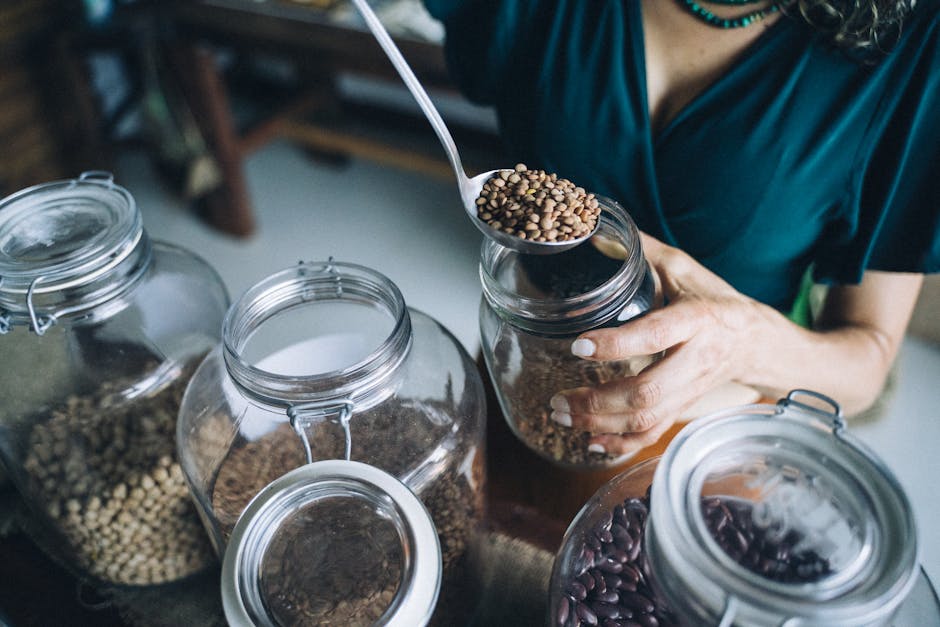
Zero-waste shops and refill stations are becoming increasingly common across UK towns and cities. Bring your own containers to fill with dried goods, cereals, nuts, pasta, rice, flour, and more. Many stores also offer refills for cleaning products, washing-up liquid, and laundry detergent. Yes, it requires slightly more planning than grabbing pre-packaged items, but the reduction in plastic waste is substantial. Even major supermarket chains now offer some refill options.
Choose Loose Fruit and Vegetables
Skip the pre-packaged produce wrapped in plastic. Select loose fruit and vegetables instead, placing them directly in your trolley or using lightweight cotton produce bags. Apples, oranges, bananas, potatoes, onions, and countless other items don’t need individual plastic packaging. They have their own natural protective skins. This represents one of the simplest easy plastic free swaps available, requiring nothing more than choosing unwrapped over wrapped.
Bathroom and Personal Care: Easy Plastic Free Swaps for Daily Routines
The bathroom harbours surprising amounts of plastic, from toothbrushes to cotton buds. These easy plastic free swaps help you maintain your grooming routine whilst dramatically cutting waste.
Switch to a Bamboo Toothbrush
UK households bin approximately 200 million plastic toothbrushes annually. These take around 400 years to decompose. Bamboo toothbrushes offer an identical cleaning experience with biodegradable handles. The bristles on most bamboo toothbrushes are still nylon (as natural alternatives don’t clean as effectively), but you can remove them before composting the handle. Even this partial solution dramatically reduces plastic waste.
Replace Disposable Razors with Safety Razors
Safety razors might seem old-fashioned, but they provide a superior shave whilst eliminating plastic waste. The metal handle lasts a lifetime, and you simply replace the metal blades (which cost pennies and are recyclable). The initial investment of £20-30 for a quality safety razor seems steep compared to a pack of disposables, but blade costs are so low that you recoup that within months. This swap also reduces skin irritation for many people.
Choose Plastic Free Cotton Buds and Reusable Makeup Rounds
Plastic-stemmed cotton buds are already banned in the UK, but many alternatives still come in plastic packaging. Look for cotton buds with paper or bamboo stems in cardboard boxes. Better yet, consider reusable silicone swabs designed for ear cleaning. For makeup removal, washable cotton rounds replace hundreds of disposable cotton pads. Simply toss them in with your regular laundry. These easy plastic free swaps are so simple you’ll wonder why you didn’t make them sooner.
Try Toothpaste Tablets or Powder
Toothpaste tubes present a recycling nightmare due to mixed materials. Toothpaste tablets offer a clever alternative: chew a tablet, wet your brush, and brush normally. They come in glass jars or compostable packaging. Tooth powder in glass jars works similarly. Both options take a few days to adjust to but clean teeth just as effectively as conventional toothpaste, according to dental health professionals.
Cleaning Products: Easy Plastic Free Swaps That Actually Work
Cleaning cupboards overflow with plastic bottles of specialized products, many containing identical active ingredients in different packaging. These easy plastic free swaps simplify your cleaning routine whilst reducing waste at home.
Make Your Own Cleaning Solutions
Vinegar, bicarbonate of soda, and lemon juice tackle most household cleaning tasks. Mix white vinegar with water in a reusable spray bottle for windows and surfaces. Bicarbonate of soda scrubs sinks and bathtubs. Lemon juice cuts through grease and leaves fresh scents. These ingredients come in minimal packaging (often cardboard or glass) and cost a fraction of commercial cleaners. Countless recipes are available online for specific cleaning needs.
Switch to Refillable Cleaning Products
If DIY cleaning solutions don’t appeal, many companies now offer concentrated cleaning products in minimal packaging that you dilute at home in reusable bottles. Alternatively, refill stations let you bring your own containers for washing-up liquid, laundry detergent, and all-purpose cleaners. This approach gives you commercial cleaning power without the plastic waste.
Choose Bar Dish Soap and Solid Laundry Detergent
Bar dish soap lasts ages and comes in paper wrapping. Rub your dish brush or sponge directly on the bar, and it creates plenty of suds. Solid laundry detergent strips or powder in cardboard boxes replace liquid detergent in plastic bottles. These easy plastic free swaps clean just as effectively whilst eliminating bulky plastic containers from your shopping.
Replace Plastic Sponges with Natural Alternatives
Standard kitchen sponges contain plastic and shed microplastics as they break down. Natural alternatives include coconut fibre scourers, wooden dish brushes with replaceable heads, and copper scourers for tougher jobs. These options biodegrade naturally and often last longer than plastic sponges. A wooden dish brush with replaceable heads means you keep the handle indefinitely, replacing only the worn brush head.
Your 30-Day Action Plan for Easy Plastic Free Swaps
Transforming your home doesn’t require doing everything simultaneously. This phased approach helps you implement easy plastic free swaps gradually whilst building sustainable habits.
- Week 1: Start with shopping bags and produce. Gather all reusable bags you own and establish a system to remember them. Choose loose fruit and vegetables during your weekly shop. Notice how much plastic packaging you avoid with just this change.
- Week 2: Tackle your bathroom routine. Order a bamboo toothbrush and bar shampoo to replace current items as they run out. Begin using what you’ve ordered and adjust to any differences in routine.
- Week 3: Focus on food storage solutions. Assess which plastic containers you use most and invest in glass or stainless steel replacements for those specific sizes. Purchase beeswax wraps or silicone lids to replace cling film usage.
- Week 4: Address cleaning products. Make or buy one refillable cleaning solution to replace a plastic-bottled product you use regularly. Try bar dish soap to replace bottled washing-up liquid.
After these initial four weeks, continue replacing plastic items as they wear out or run empty. Don’t throw away functioning plastic items just to go plastic free. Use what you have, then choose better alternatives when replacement time arrives naturally.
Mistakes to Avoid (And How to Fix Them)
Learning from others’ experiences helps you avoid common pitfalls when making easy plastic free swaps.
Mistake 1: Throwing Away Perfectly Good Plastic Items
Why it’s a problem: Binning functional plastic items to buy replacements defeats the purpose. Manufacturing new products (even eco-friendly ones) requires resources and energy. The most sustainable item is the one you already own.
What to do instead: Use existing plastic items until they genuinely need replacing. Focus new purchases on items you’re already planning to buy or things that have worn out. This approach spreads costs and reduces overall environmental impact.
Mistake 2: Buying Expensive Alternatives That Don’t Suit Your Lifestyle
Why it’s a problem: If reusable alternatives sit unused because they’re inconvenient for your routine, you’ve wasted money and resources without reducing plastic consumption. An unused bamboo coffee cup gathering dust doesn’t prevent disposable cup waste.
What to do instead: Choose easy plastic free swaps that genuinely fit how you live. If you rarely buy coffee out, don’t invest in a reusable cup. Focus on changes you’ll actually maintain. Honest self-assessment saves money and increases success.
Mistake 3: Expecting Perfection From Yourself
Why it’s a problem: All-or-nothing thinking leads to giving up entirely when you inevitably buy something wrapped in plastic. Nobody achieves zero plastic waste overnight (or possibly ever, given how prevalent plastic is in modern life).
What to do instead: Celebrate progress rather than demanding perfection. Each easy plastic free swap you make contributes to reducing waste at home. Five successful changes beat zero changes attempted because perfection felt impossible. Be patient with yourself.
Mistake 4: Not Planning for On-the-Go Situations
Why it’s a problem: You remember your reusable bags at the supermarket but accept plastic cutlery at lunch or buy bottled drinks when you’re out. Unplanned situations often default to plastic convenience.
What to do instead: Keep a basic kit in your bag or car: reusable water bottle, coffee cup, cutlery set, and a folded shopping bag. These items weigh little and prepare you for unexpected situations where plastic alternatives might otherwise be your only option.
Quick Reference Checklist for Easy Plastic Free Swaps
Keep this list handy as you gradually transform your household habits:
- Replace cling film with beeswax wraps, silicone lids, or simple plates covering containers
- Choose bar soap and shampoo bars instead of liquid products in plastic bottles
- Invest in glass or stainless steel food storage containers that last decades
- Bring reusable shopping bags and produce bags to every shopping trip
- Select loose fruit and vegetables over pre-packaged produce whenever possible
- Switch to bamboo toothbrushes and consider safety razors for shaving
- Try refillable cleaning products or make simple solutions with vinegar and bicarbonate of soda
- Buy in bulk or from refill stations when available in your area
Frequently Asked Questions
Do easy plastic free swaps really make a difference to the environment?
Absolutely. Individual actions multiply when thousands of households make similar changes. Research from UK environmental organizations shows that if just 10% of British households committed to reducing plastic by half, we’d prevent approximately 500,000 tonnes of plastic waste annually. Your choices genuinely matter, particularly as they influence friends, family, and local retailers who notice shifting consumer preferences.
What if I can’t afford to replace everything with plastic-free alternatives?
You don’t need to replace everything, and you certainly don’t need to do it all at once. Many easy plastic free swaps actually save money over time despite higher initial costs. Start with free or low-cost changes: refusing plastic bags, choosing loose produce, using what you already own longer. Gradually add purchases as budget allows, prioritizing items you replace most frequently. Even small changes reduce waste at home meaningfully.
Are plastic-free alternatives as hygienic and safe as plastic products?
Yes, when properly maintained. Glass, stainless steel, and bamboo are inherently antimicrobial materials. Clean them thoroughly like any kitchen or bathroom item. Glass and metal can be sterilized at high temperatures that would melt plastic. Beeswax wraps shouldn’t touch raw meat, but neither should most reusable items. Follow basic hygiene practices and these alternatives are completely safe.
How do I convince my family to adopt plastic-free swaps with me?
Lead by example rather than lecturing. Make changes gradually so they don’t feel disruptive. Involve family members in choosing alternatives they’ll enjoy using. Focus on benefits beyond environmentalism: money saved, less clutter, better-tasting food in glass containers. Children often embrace these changes enthusiastically when explained age-appropriately. Frame it as an adventure in trying new things rather than sacrifice.
How long does it take to see a real reduction in household waste?
You’ll notice changes immediately. After your first plastic-free shopping trip, you’ll see less packaging in your bins. Within a month of implementing several easy plastic free swaps, most households report their general waste bin only fills to half its previous level. Within three months, you’ll have established new habits that feel completely natural. The transformation happens faster than most people expect once you commit to trying.
Taking Your First Steps Towards Less Waste
Reducing waste at home through easy plastic free swaps isn’t about achieving perfection. It’s about making conscious choices that collectively create significant positive impact. Start with one or two changes from this guide, perhaps reusable shopping bags and bar soap. Once those feel natural, add another swap. Then another.
Remember that every single-use plastic item you refuse represents a small victory. Every reusable alternative you choose prevents waste from entering landfills or oceans. These easy plastic free swaps simplify life whilst protecting the environment for future generations.
The most important step is the first one. Choose one swap from this article and implement it this week. You’ll be surprised how quickly it becomes second nature, and how motivated you feel to continue making positive changes. Your actions matter more than you might think.


