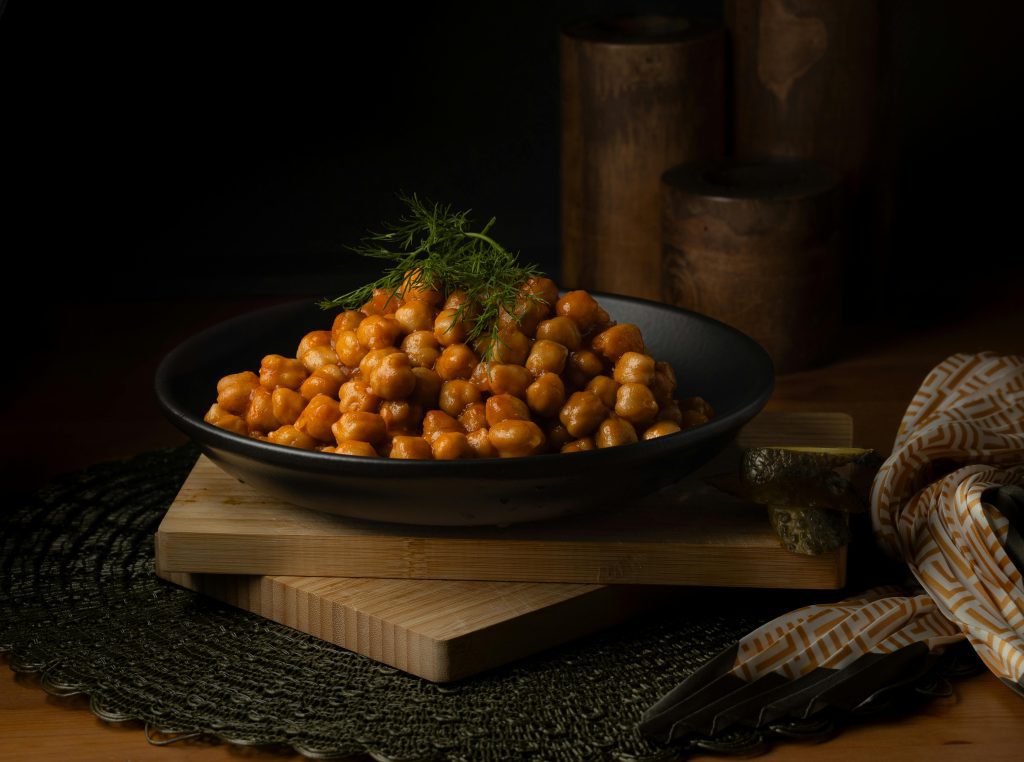
Think building muscle on a plant-based diet means choking down endless chickpeas and forcing yourself to love tofu? High protein vegan meals can actually be delicious, varied, and powerful enough to fuel serious muscle growth. The truth is, plenty of athletes and bodybuilders are smashing fitness goals without touching meat, dairy, or eggs.
You’ve probably heard someone say you can’t gain muscle without animal protein. Maybe you’ve even wondered if they’re right. Sound familiar? You’re scrolling through yet another fitness forum at midnight, trying to figure out if you can actually hit your protein targets without compromising your plant-based values. Someone insists you need at least 200g of protein daily. Another person swears you’ll never build muscle without whey protein. Meanwhile, your mate at the gym keeps asking where you get your protein from (for the thousandth time).
Common Myths About Plant-Based Protein
Related reading: The Definitive Guide to Protein Nutrition: Build Strength, Support Recovery, and Optimise Your Health
Myth: You Can’t Get Enough Protein on a Vegan Diet
Reality: Plenty of plant foods pack serious protein. A cup of cooked lentils contains 18g of protein. Tempeh delivers 31g per cup. Seitan provides a whopping 75g per 100g serving. According to NHS guidance on vegan diets, meeting protein requirements on a plant-based diet is entirely achievable with proper planning. The challenge isn’t quantity, it’s variety and timing.
Myth: Plant Protein Is Inferior to Animal Protein
Reality: Plant proteins contain all essential amino acids your body needs. Yes, some are lower in specific amino acids (like lysine in grains or methionine in legumes), but combining different protein sources throughout the day solves this completely. Your body doesn’t care whether amino acids came from a cow or a chickpea. Research from BBC Good Food’s analysis of vegan protein sources confirms that strategic combinations of plant proteins support muscle growth just as effectively as animal sources.
Myth: You Need Protein Powder to Build Muscle as a Vegan
Reality: Whole food sources provide everything you need. Protein powders offer convenience, not necessity. Real high protein vegan meals built around legumes, grains, nuts, seeds, and soy products deliver protein alongside fibre, vitamins, minerals, and phytonutrients that isolated powders lack. Save your money and build meals around actual food first.
Why High Protein Vegan Meals Actually Work Better
You might also enjoy: How Many Meals Per Day Actually Boost Your Metabolism and Energy.
Plant-based protein comes packaged with benefits you won’t find in animal products. Fibre keeps your digestive system running smoothly and helps stabilise blood sugar levels throughout the day. That means steadier energy during workouts and fewer crashes afterward.
Inflammation drops when you focus on high protein vegan meals. Less inflammation means faster recovery between training sessions. You’re not just building muscle, you’re creating optimal conditions for your body to repair and grow stronger.
Antioxidants abundant in plant foods fight oxidative stress from intense exercise. Legumes, whole grains, nuts, and seeds deliver these protective compounds alongside their protein. Your recovery improves, energy stays consistent and performance climbs.
Budget matters too. Dried lentils cost a fraction of chicken breast. Beans are ridiculously cheap. Even tofu undercuts most meat prices. Building high protein vegan meals saves money while delivering results.
The Best Plant Protein Sources for Muscle Building
Not all vegan proteins are created equal for muscle growth. Focus on these powerhouses to maximise your gains.
Tempeh: The Fermented Muscle Builder
Tempeh wins for sheer protein density. A 100g serving delivers 19g of protein with all essential amino acids. Fermentation makes the nutrients more bioavailable, meaning your body absorbs them more efficiently. The firm texture makes it incredibly versatile for high protein vegan meals.
Slice it thin and pan-fry until crispy. Crumble it into Bolognese sauce. Marinate chunks in soy sauce, ginger, and garlic before grilling. The slightly nutty, earthy flavour adapts to virtually any cuisine. Unlike tofu, tempeh holds its shape beautifully in stir-fries and curries.
Seitan: The Wheat Protein Champion
Seitan contains more protein than any other plant food. Made from vital wheat gluten, it provides 25g of protein per 100g serving. The meaty texture makes it perfect for dishes where you want something substantial and chewy.
Make your own by kneading vital wheat gluten with vegetable stock and spices, then simmering until firm. Shop-bought versions work brilliantly too. Slice it for sandwiches. Cube it for kebabs. Shred it for tacos. High protein vegan meals featuring seitan satisfy in ways lighter proteins can’t match.
One caveat: skip seitan if you’re gluten-intolerant or coeliac. For everyone else, it’s a game-changer.
Lentils: The Reliable Foundation
Lentils deserve their reputation as a staple protein source. Red lentils cook in 15 minutes. Green and brown varieties need 25-30 minutes. A cup of cooked lentils provides 18g of protein plus significant iron and folate.
Red lentils break down beautifully into creamy dahls and thick soups. Green and Puy lentils hold their shape for salads and grain bowls. Brown lentils work perfectly in Bolognese, shepherd’s pie, and burger patties. Stock your cupboard with all three types and you’ll never run out of high protein vegan meal options.
Chickpeas: The Versatile Performer
Chickpeas offer 15g of protein per cooked cup. Roast them until crunchy for snacking. Blend them into hummus. Mash them for sandwich fillings. Toss them whole into curries and stews.
Chickpea flour (gram flour) opens even more possibilities. Mix it with water and spices to make omelettes, fritters, or flatbreads. Each 100g of chickpea flour packs 22g of protein, making it perfect for high protein vegan meals at any time of day.
Edamame and Soy Products
Edamame beans deliver complete protein with 18g per cup. Steam them and sprinkle with sea salt for the simplest high-protein snack imaginable. Blend them into dips or toss them into grain bowls.
Tofu remains controversial only among people who haven’t learned to cook it properly. Press out the water. Cut it into cubes. Toss with cornflour and baking powder. Fry until golden and crispy. Now you’ve got 20g of protein per cup that tastes incredible.
Building Complete High Protein Vegan Meals
Throwing protein sources together randomly won’t optimise muscle growth. Strategic meal construction makes the difference between spinning your wheels and seeing real progress.
The Formula for Muscle-Building Meals
Every high protein vegan meal needs three components: a primary protein source (20-30g protein), a complementary grain or starchy vegetable, and abundant vegetables for micronutrients and fibre.
Primary protein comes from tempeh, seitan, lentils, chickpeas, tofu, or beans. Complementary carbohydrates include quinoa, brown rice, sweet potato, whole wheat pasta, or oats. Vegetables provide the vitamins and minerals that support protein synthesis and recovery.
Aim for at least 25-30g of protein per meal if you’re actively building muscle. Spread your protein intake across four to five meals daily rather than loading it all into dinner. Your body can only process so much protein at once. Consistent intake throughout the day optimises muscle protein synthesis.
Timing Your Protein Intake
Post-workout nutrition matters, but it’s not as urgent as supplement companies claim. Getting 20-30g of protein within two hours after training supports recovery. High protein vegan meals containing both protein and carbohydrates replenish glycogen stores while providing amino acids for muscle repair.
Pre-workout meals should land 2-3 hours before training. Choose easily digestible options that won’t sit heavily in your stomach. A smoothie with banana, oat milk, peanut butter, and plant protein works brilliantly. So does overnight oats with chia seeds and berries.
Before bed, slower-digesting proteins like tempeh or a handful of nuts provide amino acids throughout the night when muscle repair happens most actively.
7-Day High Protein Vegan Meal Plan
Here’s what strategic high protein vegan meals look like across a full week. Each day delivers 100-120g of protein from whole food sources.
Day 1: Building the Foundation
Breakfast: Tofu scramble with spinach, cherry tomatoes, and nutritional yeast on wholemeal toast (28g protein). Crumble firm tofu into a hot pan with turmeric, garlic powder, and black salt. The result tastes remarkably similar to scrambled eggs while delivering superior protein.
Lunch: Lentil and quinoa Buddha bowl with roasted chickpeas, tahini dressing, cucumber, and red cabbage (32g protein). The combination of lentils and quinoa provides complete amino acids in perfect proportions.
Dinner: Tempeh stir-fry with brown rice, broccoli, peppers, and cashews in ginger-soy sauce (35g protein). Slice tempeh thinly and fry until crispy before adding vegetables.
Snacks: Hummus with carrot sticks, handful of almonds (15g protein).
Day 2: Variety Keeps It Interesting
Breakfast: Protein-packed porridge made with oat milk, chia seeds, ground flaxseed, peanut butter, and banana (22g protein). Something like a high-speed blender makes prep effortless if you prefer smoothie-style oats.
Lunch: Seitan and mixed bean chilli with brown rice and avocado (38g protein). Make a big batch on Sunday and reheat throughout the week.
Dinner: Chickpea curry with spinach, tomatoes, and whole wheat naan bread (30g protein). Chickpeas absorb curry flavours beautifully while providing substantial protein.
Snacks: Edamame beans sprinkled with sea salt, protein energy balls made from dates and almonds (18g protein).
Day 3: Mediterranean Influence
Breakfast: Chickpea flour pancakes (socca) with mushrooms, tomatoes, and wilted spinach (26g protein). These savoury pancakes are popular across the Mediterranean and pack serious protein.
Lunch: Lentil and vegetable soup with a thick slice of seeded bread and peanut butter (28g protein). Sounds odd until you try it. The combination works brilliantly.
Dinner: Grilled tofu kebabs with quinoa tabbouleh, hummus, and roasted vegetables (36g protein). Press and marinate tofu in lemon juice, garlic, and herbs for maximum flavour.
Snacks: Roasted chickpeas, apple with almond butter (16g protein).
Days 4-7: Continue the Pattern
Rotate through different preparations of the same protein sources. Make black bean burgers. Try red lentil dahl. Experiment with tempeh bacon. Create peanut noodles with edamame. Build high protein vegan meals around foods you genuinely enjoy rather than forcing yourself to eat things you hate.
Meal prep saves massive time. Cook large batches of grains and legumes on Sunday. Chop vegetables in advance. Marinate tofu or tempeh overnight. Having components ready transforms weeknight cooking from stressful to simple.
Supercharging Your Meals with Strategic Additions
Small additions boost protein content significantly without changing the fundamental nature of your high protein vegan meals.
Nutritional yeast adds 8g of protein per two tablespoons plus B vitamins and a delicious cheesy flavour. Sprinkle it on pasta, popcorn, salads, or scrambled tofu.
Hemp seeds provide 10g of protein per three tablespoons along with omega-3 fatty acids. Scatter them over porridge, smoothie bowls, or salads. The mild nutty flavour disappears into most dishes.
Peanut butter (or any nut butter) delivers 8g of protein per two tablespoons. Stir it into porridge, blend it into smoothies, spread it on toast, or use it as a sauce base for Asian-inspired dishes.
Spirulina contains 4g of protein per tablespoon. The strong taste limits its uses, but blending a tablespoon into fruit smoothies adds protein without overwhelming other flavours.
Vital wheat gluten allows you to boost protein in bread, pizza dough, and baked goods. Adding two tablespoons to bread dough increases protein content by 10g without noticeably affecting texture or taste.
Mistakes to Avoid (And How to Fix Them)
Mistake 1: Relying on One or Two Protein Sources
Why it’s a problem: Eating only chickpeas and peanut butter daily creates nutritional gaps and leads to boredom-induced failure. Different plant proteins contain different amino acid profiles. Variety ensures you’re getting everything your body needs for optimal muscle growth and recovery.
What to do instead: Rotate through at least five different protein sources weekly. Monday features tempeh, Tuesday uses lentils, Wednesday showcases seitan, and so on. This approach guarantees complete amino acid coverage while keeping high protein vegan meals interesting enough to maintain long-term.
Mistake 2: Undereating Calories While Hitting Protein Targets
Why it’s a problem: Building muscle requires a caloric surplus. If you’re hitting 120g of protein daily but only consuming 1800 calories when you need 2500, your body will burn that protein for energy rather than using it for muscle synthesis. Plant-based diets can be surprisingly filling due to high fibre content, making it easy to accidentally under-eat.
What to do instead: Track calories for two weeks to establish your actual intake. Add calorie-dense foods like avocados, nuts, seeds, nut butters, and olive oil to your high protein vegan meals. A handful of cashews adds 160 calories. Two tablespoons of tahini provides 180 calories. These additions supply energy without requiring you to eat massive volumes of food.
Mistake 3: Neglecting Vitamin B12 and Other Supplements
Why it’s a problem: B12 doesn’t exist in plant foods in forms your body can use. Deficiency causes fatigue, weakness, and impaired muscle function, completely undermining your training efforts. Vitamin D, omega-3s, and iron can also run low on poorly planned vegan diets.
What to do instead: Take a B12 supplement (at least 10 micrograms daily or 2000 micrograms weekly). Consider vitamin D, especially during UK winters when sunlight is scarce. Algae-based omega-3 supplements provide EPA and DHA without fish. Regular blood tests confirm whether you’re meeting your nutritional needs. According to NHS vitamin B guidance, vegans must supplement B12 to prevent deficiency.
Mistake 4: Ignoring Meal Timing and Distribution
Why it’s a problem: Eating 20g of protein for breakfast and lunch, then 80g at dinner doesn’t optimise muscle protein synthesis. Your body can only process roughly 20-40g of protein per meal for muscle building. Excess gets oxidised for energy or converted to other compounds.
What to do instead: Distribute protein evenly across four to five meals. Aim for 25-30g per meal. This consistent amino acid availability maximises muscle protein synthesis throughout the day. Pack high protein vegan meals for work rather than relying on whatever’s available.
Mistake 5: Avoiding Soy Due to Unfounded Fears
Why it’s a problem: Myths about soy affecting testosterone or causing hormonal issues keep people away from one of the best plant protein sources available. Decades of research show these fears are baseless. Soy provides complete protein, supports muscle growth, and offers protective health benefits.
What to do instead: Embrace tofu, tempeh, edamame, and soy milk as regular components of your high protein vegan meals. They’re safe, effective, affordable, and versatile. The phytoestrogens in soy don’t behave like human oestrogen and don’t cause the problems people worry about.
Quick Reference Checklist for High Protein Success
- Target 1.6-2.2g of protein per kilogram of body weight daily for muscle building
- Spread protein intake across four to five meals rather than loading one meal
- Combine different plant proteins throughout the day for complete amino acid profiles
- Plan and prep your high protein vegan meals in advance to avoid low-protein convenience choices
- Keep your cupboard stocked with dried lentils, chickpeas, beans, quinoa, and nutritional yeast
- Supplement with B12 and consider vitamin D and omega-3s based on blood tests
- Consume adequate calories to support muscle growth, not just adequate protein
- Experiment with spices and cooking methods to keep meals interesting and sustainable long-term
Your High Protein Vegan Questions Answered
How much protein do I actually need to build muscle on a vegan diet?
Research consistently shows that 1.6-2.2g of protein per kilogram of body weight optimises muscle growth. A 75kg person needs 120-165g daily. This falls well within achievable ranges using high protein vegan meals built around legumes, soy products, seitan, and strategic additions like nutritional yeast and hemp seeds. Track your intake for a week to see where you actually land, then adjust accordingly.
Can I build muscle as quickly on a vegan diet as on an omnivorous diet?
Absolutely. Studies comparing muscle growth between vegan and omnivorous athletes show no significant differences when protein intake is matched and training is consistent. Your muscles don’t care whether amino acids came from chickpeas or chicken. What matters is hitting adequate protein targets, consuming enough calories, training effectively, and recovering properly. Well-planned high protein vegan meals deliver everything your muscles need.
Do I need protein powder or can I rely on whole foods?
Whole foods provide everything you need. Protein powder offers convenience for busy days or post-workout when you don’t fancy a full meal, but it’s absolutely optional. A scoop of pea protein adds 20g quickly, but so does a large portion of lentil dahl or a tempeh stir-fry. Save your money and build your nutrition around actual food. Many successful vegan athletes never touch protein powder.
Will eating high protein vegan meals affect my digestion?
Initially, increasing fibre from beans and lentils can cause bloating and gas if your system isn’t accustomed to it. Start gradually. Begin with smaller portions of legumes and increase over two to three weeks as your gut bacteria adapt. Soaking dried beans overnight and rinsing thoroughly reduces compounds that cause digestive discomfort. Chewing thoroughly helps too. Most people find their digestion actually improves after the adjustment period.
How do I get enough protein when eating out or travelling?
Indian restaurants offer protein-rich dahls, chickpea curries, and lentil dishes. Thai restaurants serve tofu in curries and stir-fries. Mexican spots provide bean burritos and burrito bowls. Middle Eastern places offer falafel, hummus, and bean salads. Pack emergency protein supplies for travel: nuts, seeds, protein bars, and peanut butter sachets ensure you’re never stuck without options. Chain restaurants increasingly offer dedicated vegan menus with substantial high protein vegan meals.
Save This: Your Meal Prep Strategy
Dedicate two hours on Sunday to preparation that simplifies the entire week.
Cook large batches of grains. Brown rice, quinoa, and bulgur wheat store well in the fridge for five days. Portion them into containers ready to reheat.
Prepare legumes in quantity. Soak and cook dried lentils, chickpeas, and beans. Alternatively, buy tinned versions and drain them. Store in glass containers.
Marinate tofu or tempeh overnight in your chosen flavours. Press tofu thoroughly first. Slice tempeh thinly. Both absorb marinades better after sitting overnight.
Chop vegetables in advance. Peppers, onions, broccoli, and cauliflower keep well for several days. Store in containers with paper towels to absorb excess moisture.
Batch-cook sauces and bases. Make large portions of tomato sauce, curry base, or stir-fry sauce. Freeze what you won’t use within three days.
Portion out snacks immediately. Divide nuts, seeds, and hummus into single servings. When hunger hits, grab and go rather than making decisions.
Something like a set of glass meal prep containers with compartments keeps ingredients separate until you’re ready to eat. This prevents soggy salads and maintains food quality throughout the week.
Your high protein vegan meals stay fresh, save time, and ensure you hit your targets even during chaotic weeks.
The Energy Equation
Protein builds muscle. Carbohydrates fuel performance. Healthy fats support hormone production. High protein vegan meals naturally balance all three when you build them thoughtfully.
Complex carbohydrates from whole grains, sweet potatoes, and legumes provide steady energy rather than blood sugar spikes and crashes. You’ll feel energised throughout training sessions instead of hitting walls halfway through.
Healthy fats from nuts, seeds, avocados, and olive oil don’t just taste good. They’re essential for testosterone production, nutrient absorption, and reducing inflammation. Include them in every high protein vegan meal without fear.
Micronutrients from abundant vegetables support every biological process involved in muscle growth and recovery. Iron carries oxygen to working muscles. Magnesium enables muscle contraction and relaxation. Zinc supports protein synthesis. Eating the rainbow isn’t just Instagram nonsense, it’s genuinely functional nutrition.
When you nail this combination, energy becomes consistent. You’re not dragging yourself through afternoons or relying on caffeine to function. Training sessions feel strong. Recovery happens faster. Progress becomes visible.
Making It Sustainable
Perfection kills progress. Aim for consistency instead.
Some days you’ll nail your protein targets with beautifully balanced high protein vegan meals. Other days you’ll grab whatever’s available and make it work. Both scenarios are fine. What matters is the overall pattern across weeks and months, not individual days.
Build meals around foods you genuinely enjoy rather than forcing yourself to eat things you hate because they’re “optimal.” Sustainability beats perfection every time. If you despise tofu, eat tempeh instead. If chickpeas bore you, focus on lentils. Choose variety that works for your palate.
Budget considerations matter too. Dried legumes cost pennies per portion. Seasonal vegetables stay affordable year-round. Frozen vegetables match fresh ones nutritionally while costing less. Build your high protein vegan meals around budget-friendly staples and splurge occasionally on specialty items.
Social situations require flexibility. When someone invites you for dinner, eat what fits your ethics and do your best with protein. One suboptimal meal won’t destroy your progress. Relationships matter more than macros. Pack protein-rich snacks for afterward if needed.
Track progress beyond the scale. Take progress photos monthly. Measure strength gains in the gym. Notice how clothes fit. Monitor energy levels and recovery. Muscle building happens gradually. Trust the process even when daily changes feel invisible.
Start Building Today
You’ve got everything you need to create high protein vegan meals that build muscle and boost energy. Begin with one meal. Make breakfast tomorrow a tofu scramble or protein-packed porridge. That’s it.
Choose three protein sources to rotate this week. Pick up lentils, chickpeas, and tempeh on your next shop. Learn one new recipe featuring each. Three new high protein vegan meals in your repertoire changes everything.
Progress looks different for everyone. Some weeks you’ll feel unstoppable. Others you’ll just show up and do the work. Both count. Consistency builds results. Small daily actions compound into significant changes over months.
Your muscles don’t need animal products to grow. They need adequate protein, sufficient calories, effective training, and proper recovery. High protein vegan meals deliver all of these while supporting your values and improving your health. That’s the deal. Now close this tab and make one thing from this article today.


