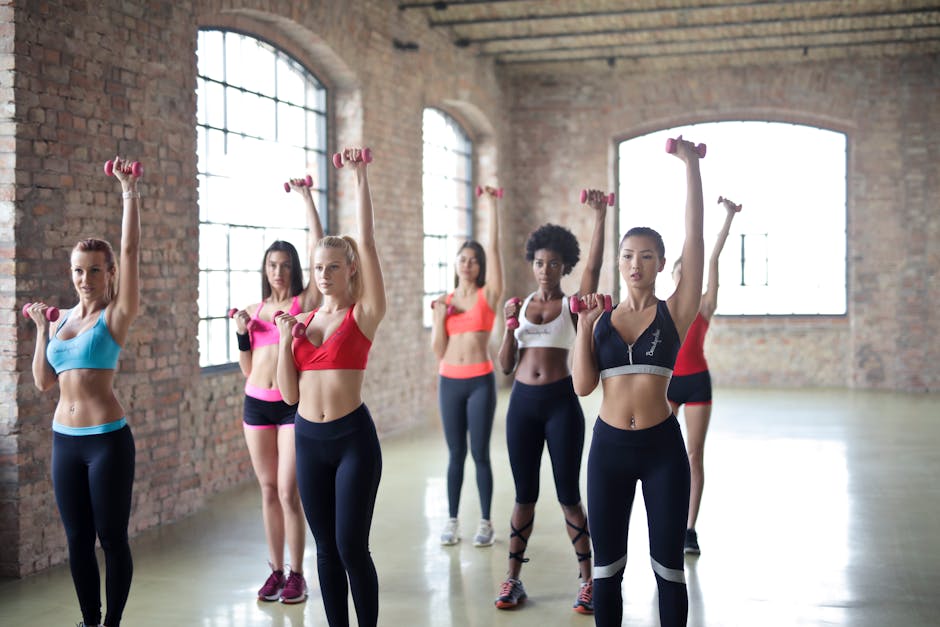
Picture this: You’ve been lifting the same weights for three months straight, doing the same reps, and wondering why your arms still look exactly the same. Sound familiar? Progressive overload for women is the missing piece that transforms your workouts from maintenance mode into actual muscle-building sessions.
Related reading: Deload Weeks: When Recovery Becomes Your Secret Weapon.
Most women stay stuck at the same weight because they’ve been told building muscle means getting bulky or that gradual progress is somehow cheating. Neither is true. Your muscles need a reason to grow stronger, and progressive overload for women gives them exactly that reason through systematic, manageable increases that compound over time.
What You’ve Been Told Wrong About Progressive Overload
Related reading: Progressive Overload: The Complete Science-Backed Guide to Building Strength
Myth: You Need to Add Weight Every Single Session
Reality: Progressive overload for women works through multiple strategies beyond just adding weight. Increasing reps, adding sets, slowing down your tempo, or reducing rest periods all create the stimulus your muscles need to adapt. Adding weight is just one tool in your toolkit, and trying to do it every workout sets you up for frustration and potential injury.
Myth: Women Should Lift Lighter Weights for “Toning”
Reality: There’s no such thing as toning. Muscles either grow or shrink. Those sculpted arms you admire come from progressive overload for women using challenging weights that genuinely test your capacity. Light weights with endless reps won’t build the strength or shape you’re after. Progressive challenge does.
Myth: If You Can’t Add Weight, You’re Not Progressing
Reality: Strength building isn’t linear, and hormonal fluctuations affect women’s training capacity throughout the month. Some weeks you’ll smash personal records. Other weeks maintaining your current weights counts as progress. Understanding this helps you apply progressive overload for women in a sustainable way that matches your body’s natural rhythms.
Why Progressive Overload for Women Actually Matters
You might also enjoy: Female Training: Science-Backed Strategies for Strength and Fitness
Your body is brilliantly efficient at adapting to stress. Lift the same 5kg dumbbells for weeks on end, and your muscles essentially shrug and say “yeah, we’ve got this covered.” They have no reason to grow stronger or more resilient.
Progressive overload for women creates controlled stress that forces adaptation. Research from NHS guidance on strength training shows that consistent progressive challenge improves bone density, metabolic rate, and functional strength far more effectively than static routines.
Here’s what makes a difference: women often underestimate their strength capacity. Studies show most women can safely lift significantly more than they think, but years of messaging about “feminine” exercise keeps them in the comfort zone. Progressive overload for women means systematically pushing beyond that artificial ceiling.
Five Proven Methods for Progressive Overload in Women’s Training
Method 1: Add Weight Gradually
Start with the smallest increment available. Most gyms have 1.25kg plates. Adding 2.5kg total to a barbell might not sound impressive, but over 12 weeks that’s 30kg more. Over six months? You’re lifting weights you never thought possible.
For exercises like dumbbell presses or rows, jump to the next weight up once you can complete all your target reps with perfect form. If you’re doing 3 sets of 10 with 8kg dumbbells and the last rep of the last set still feels controlled, you’re ready for 10kg.
Many women find adjustable dumbbells helpful here because they allow smaller progressions than fixed weight sets. Look for ones with 1-2kg increments rather than jumps of 5kg or more.
Method 2: Increase Your Rep Count
This method works brilliantly when weights feel too heavy to increase yet. Say you’re doing goblet squats with a 12kg kettlebell for 8 reps. Rather than jumping to 16kg, build up to 12 reps with the 12kg weight first.
Set a rep range like 8-12. Once you hit 12 reps comfortably across all sets, increase the weight and drop back to 8 reps. Progressive overload for women using this approach builds both strength and muscular endurance simultaneously.
Track your reps religiously. Write them down or use a simple phone app. Memory is unreliable when you’re pushing hard, and you need concrete data to know when you’ve earned that weight increase.
Method 3: Add Extra Sets
Moving from 3 sets to 4 sets increases your total training volume by 33%. That’s substantial stimulus without touching the weight or reps. Progressive overload for women often works better through volume increases than constant weight jumps.
Add one set every two weeks to a particular exercise. If you’re doing 3 sets of Romanian deadlifts, add a fourth set. Two weeks later, consider a fifth. Your work capacity expands, and suddenly weights that felt challenging become manageable.
Just watch your total session volume. Adding sets to everything creates excessive fatigue and tanks recovery. Pick 1-2 exercises per session to progress through added volume.
Method 4: Slow Your Tempo Down
Taking four seconds to lower a weight instead of two doubles the time under tension. Your muscles work harder without adding a single kilo. Progressive overload for women through tempo manipulation is underrated and incredibly effective.
Try a 3-1-1-0 tempo: three seconds lowering, one second pause, one second lifting, no rest at the top. Apply this to exercises like bicep curls, shoulder presses, or squats. You’ll be shocked how much harder familiar weights become.
Tempo training also improves your movement control and reduces injury risk. You can’t cheat slow reps with momentum, which means better muscle activation throughout the entire range of motion.
Method 5: Reduce Rest Periods
Cutting rest from 90 seconds to 60 seconds between sets increases workout intensity significantly. Your cardiovascular system works harder, and your muscles get less recovery time between efforts. Progressive overload for women doesn’t always need external load increases.
Start by reducing rest by 10-15 seconds every two weeks. Track it with a timer app rather than guessing. Most people rest longer than they think, and structure keeps you honest.
This method works brilliantly for muscle endurance and conditioning. Be mindful with very heavy lifts though. Complex movements like heavy squats or deadlifts need adequate rest for safety and proper form.
Your 8-Week Progressive Overload Blueprint
Real progressive overload for women needs structure. Here’s a practical roadmap that accounts for hormonal fluctuations and realistic progression rates:
- Weeks 1-2: Establish baseline numbers across all exercises. Complete 3 sets of 8-10 reps with weights that feel challenging but doable. Record everything.
- Weeks 3-4: Increase reps by 1-2 per set while keeping weight constant. Aim for 3 sets of 10-12 reps by the end of week four.
- Week 5: Add weight using the smallest available increment. Drop back to 8-10 reps per set. Focus on form as you adapt to heavier loads.
- Weeks 6-7: Build reps back up with your new weight. Target 10-12 reps again across all sets with perfect technique.
- Week 8: Assessment week. Either add another weight increment or add a fourth set to key exercises. Choose based on how recovery feels.
During your luteal phase (roughly two weeks before your period), strength often dips slightly. That’s normal physiology, not training failure. Maintain your current weights during this time rather than forcing progression. Progressive overload for women means working with your cycle, not against it.
How to Track Progressive Overload Without Overthinking It
You need data, but you don’t need a PhD in spreadsheets. A simple training log captures everything that matters for progressive overload for women.
Record these five things for each exercise:
- Date of workout
- Weight used (include the bar weight for barbell exercises)
- Sets completed
- Reps achieved per set
- How it felt (optional but useful for identifying patterns)
A basic notebook works perfectly. If you prefer digital, dozens of free strength training apps handle tracking without unnecessary complexity. The method matters less than consistency. Track every session, or you’re guessing rather than progressing.
Review your log every two weeks. Look for exercises where you’ve hit your target reps across all sets multiple times. Those are prime candidates for your next progression.
Common Progressive Overload Mistakes (And Quick Fixes)
Mistake 1: Progressing Too Quickly
Why it’s a problem: Adding weight every single session leaves no time for adaptation. Your connective tissues need weeks to strengthen alongside muscles. Rush the process, and you’re setting yourself up for tendonitis, joint pain, or worse.
What to do instead: Aim to increase difficulty every 2-3 weeks maximum. Progressive overload for women works best as a gradual climb, not a sprint. Patience compounds into impressive long-term results.
Mistake 2: Sacrificing Form for Heavier Weights
Why it’s a problem: That wobbly shoulder press with 12kg dumbbells builds nothing except bad movement patterns and injury risk. Progressive overload for women only works when performed with proper technique that actually targets the intended muscles.
What to do instead: If form breaks down, you’ve progressed too soon. Drop back one increment and build reps until you own that weight completely. Controlled 10kg lifts build more strength than sloppy 12kg attempts.
Mistake 3: Ignoring Recovery Signals
Why it’s a problem: Persistent joint aches, declining performance, or constant fatigue mean you’re accumulating stress faster than you’re recovering. Progressive overload for women requires adequate rest for adaptation to actually occur.
What to do instead: Schedule deload weeks every 4-6 weeks where you reduce volume or intensity by 30-40%. Active recovery accelerates long-term progress by preventing burnout and overtraining.
Mistake 4: Progressing Everything Simultaneously
Why it’s a problem: Trying to add weight to every exercise in every session overwhelms your recovery capacity. Something has to give, usually your sleep quality or immune function.
What to do instead: Pick 2-3 main lifts to progress aggressively each month. Maintain current levels on accessory exercises. Rotate your focus every 6-8 weeks so everything gets attention over time.
What Actually Drives Results in Progressive Overload for Women
Consistency beats intensity every time. Showing up three times weekly with modest, steady progression builds more strength than sporadic heroic efforts. Progressive overload for women thrives on sustainable habits, not dramatic gestures.
Your nutrition matters enormously. Muscles need protein to rebuild stronger, typically around 1.6-2.2g per kilogram of body weight according to research on protein requirements for active women. Undereating sabotages progressive overload for women by leaving nothing for recovery and growth.
Sleep is non-negotiable. Aim for 7-9 hours nightly. Growth hormone release peaks during deep sleep, and that’s when muscular adaptation happens. Shortchange sleep, and your progressive overload for women strategy stalls regardless of training quality.
Stress management affects everything. Chronic stress elevates cortisol, which interferes with muscle protein synthesis and recovery. Mind your overall stress load. Sometimes the best progress comes from addressing life stress rather than adding more training volume.
When to Adjust Your Progressive Overload Strategy
Pay attention to consistent patterns across three consecutive sessions. Struggling with weights you previously handled easily signals a need to adjust. Progressive overload for women isn’t one-size-fits-all, and flexibility matters.
Life circumstances change training capacity. New job stress, poor sleep phases, or increased responsibilities all impact recovery. Scale back progression during high-stress periods rather than pushing through and burning out.
Menstrual cycle phases affect performance. Many women find strength peaks during the follicular phase (first two weeks after period starts) and dips during the luteal phase. Time your aggressive progression for weeks when you naturally feel stronger.
Age influences recovery rates. Progressive overload for women over 40 might mean progressing every 3-4 weeks rather than every 2 weeks. That’s not weakness; it’s intelligent training that acknowledges physiological reality.
Your Progressive Overload Essentials
- Track every workout with written records of weights, sets, and reps
- Progress one variable at a time to isolate what drives your adaptation
- Schedule deload weeks every 4-6 weeks to prevent accumulated fatigue
- Maintain strict form even as weights increase
- Consume adequate protein daily to support muscle recovery and growth
- Adjust progression speed based on menstrual cycle phases and life stress
- Celebrate small victories because they compound into major strength gains
- Rest as intentionally as you train because adaptation happens during recovery
Your Progressive Overload Questions Answered
How long before I see actual strength gains from progressive overload?
Most women notice measurable strength increases within 3-4 weeks of consistent progressive overload for women. Early gains come primarily from neuromuscular adaptation as your nervous system learns to recruit muscle fibres more efficiently. Visible muscle changes typically appear after 8-12 weeks of sustained training. Stay patient and trust the process.
What if I can’t add weight but can’t add more reps either?
Plateau happens to everyone eventually. Try changing your progression method instead. Switch from adding reps to slowing your tempo, or from adding weight to reducing rest periods. Progressive overload for women works through multiple pathways. Sometimes a completely different exercise targeting the same muscles provides the stimulus needed to break through.
Should I use progressive overload on every single exercise?
Focus on compound movements like squats, deadlifts, presses, and rows for aggressive progressive overload for women. These multi-joint exercises deliver the biggest return on investment. Accessory exercises like bicep curls or calf raises can stay at maintenance loads most of the time. You don’t have infinite recovery capacity, so spend it wisely.
How do I apply progressive overload if I only have light dumbbells at home?
Increase reps significantly, add extra sets, slow your tempo dramatically, or reduce rest to 30-45 seconds between sets. Progressive overload for women doesn’t require a fully equipped gym. Bodyweight variations with added pauses, pulses, or eccentric emphasis create plenty of challenge. Eventually you’ll outgrow light weights, but you can make serious progress first.
Is it normal for strength to fluctuate throughout my menstrual cycle?
Absolutely normal and scientifically documented. Oestrogen levels in the follicular phase support strength and power output, while progesterone dominance in the luteal phase can decrease performance slightly. Build progressive overload for women around this reality. Push harder during weeks one and two after your period, then maintain during weeks three and four. Track your patterns and plan accordingly.
Building Strength That Lasts
Progressive overload for women isn’t complicated, but it does require intention. Track your workouts. Progress systematically. Respect your recovery needs. Those three principles matter more than any fancy programming or expensive equipment.
You’re stronger than you think. The weights that feel impossible today become your warm-up sets six months from now. That transformation happens through progressive overload for women applied consistently, not perfectly.
Start smaller than feels necessary. Add 1.25kg instead of 5kg. Increase reps by one instead of five. Those tiny increments compound into shocking progress over time. Forget perfect. Aim for consistent. That’s where real strength lives.


