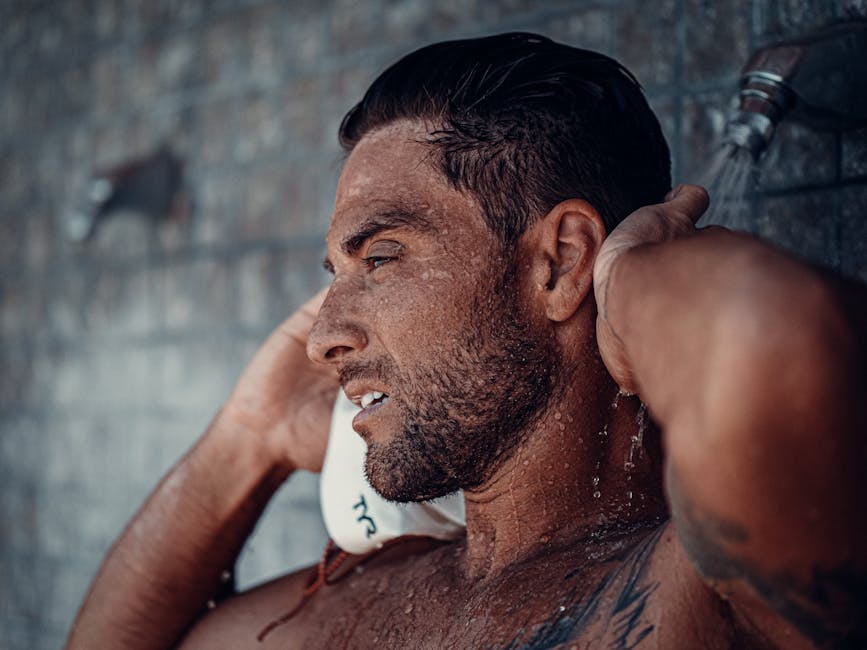
Picture this: You’re standing in your warm bathroom, towel ready, telling yourself you’re finally going to do it. How to start cold showers for beginners without hating every second seems impossible right now. You turn the dial towards cold, feel that first blast of icy water, and immediately jump back out. Your heart’s racing, you’re gasping, and you wonder why anyone would voluntarily torture themselves like this.
Related reading: The Day Everything Changed: How to Know When Your Life Needs a Complete Reset.
Sound familiar? Most people who try cold showers quit after one attempt because they go full arctic on day one. The problem isn’t that cold showers are inherently miserable. The problem is how we approach them. Learning how to start cold showers for beginners without hating every second requires a completely different strategy than what most YouTube wellness gurus suggest.
Common Myths About Cold Showers
Related reading: How to Use Gym Machines for the First Time Without Feeling Like Everyone’s Watching.
Before we dive into the practical stuff, let’s clear up some widespread nonsense that makes starting cold showers harder than it needs to be.
Myth: You Need to Jump Straight Into Freezing Water
Reality: This is the fastest way to quit on day two. Your body needs gradual adaptation. Studies from the European Journal of Applied Physiology show that cold water immersion works best when introduced progressively. Starting with lukewarm water and gradually decreasing temperature over weeks produces better adherence rates and similar benefits to shock exposure. The “just tough it out” approach ignores basic physiology and sets beginners up for failure.
Myth: Cold Showers Should Last 10-15 Minutes
Reality: Thirty seconds of cold exposure can trigger beneficial physiological responses. Research from the National Institutes of Health on cold water immersion shows significant improvements in stress resilience and immune response with exposure times as short as 30-60 seconds. Forcing yourself through 15 minutes of misery when you’re starting out isn’t necessary or sustainable. Quality beats duration every single time.
Myth: If You’re Not Shivering, It’s Not Working
Reality: Shivering is actually a sign you’ve gone too cold or stayed in too long, especially for beginners. The sweet spot for learning how to start cold showers for beginners without hating every second involves discomfort, not distress. Your breath should quicken and your skin should feel alert, but you shouldn’t be in such shock that you can’t control your breathing. That’s the difference between beneficial stress and counterproductive suffering.
Why Your First Attempt Probably Failed
You might also enjoy: How to Stop Procrastinating When You Have ADHD (Without Hating Yourself).
Let’s be honest about what happened. You read some article about ice-cold showers boosting testosterone and metabolism. You felt motivated. Then you tried it exactly once, hated every millisecond, and never did it again.
The reality is this: most advice about how to start cold showers for beginners without hating every second ignores the psychological component. Your body has a perfectly reasonable panic response to sudden cold. Your breathing accelerates, your muscles tense, your brain screams “GET OUT NOW!” That’s not weakness. That’s biology doing its job.
What makes a difference is working with your nervous system instead of against it. Temperature adaptation is trainable, but it requires patience that contradicts everything we see on social media. Nobody posts their gradual 6-week progression. They post the dramatic ice bath finish line.
The 21-Day Progressive Method That Actually Works
Here’s what’s interesting: professional athletes and cold therapy researchers use a completely different approach than wellness influencers suggest. When teaching how to start cold showers for beginners without hating every second, they focus on building tolerance through micro-progressions.
Week 1: The Warm-to-Cool Foundation
Start every shower warm like usual. Enjoy it. Get clean. Then, only for the final 15-30 seconds, turn the water to cool. Not cold yet. Just cool enough that it’s slightly uncomfortable but not shocking. This is roughly the temperature you’d describe as “a bit brisk.”
What you’re training here isn’t physical toughness. You’re teaching your nervous system that this sensation is safe. Your breathing might quicken slightly. That’s perfect. Focus on keeping your exhales long and controlled. The breathing control is actually more important than the temperature at this stage.
Do this for seven consecutive days. Same routine each time. The consistency matters more than intensity.
Week 2: Introducing Proper Cold
By day eight, your body recognizes the cool finish. The panic response has diminished. Now we add actual cold for the final 30-60 seconds. This temperature should make you gasp initially, but within 10 seconds, you should be able to control your breathing again.
A useful technique: before turning the dial to cold, take three deep breaths. Then turn it, step under, and immediately focus on breathing out slowly through pursed lips. This breathing pattern prevents the gasping hyperventilation that makes cold showers unbearable.
Between days 8-14, gradually extend your cold exposure from 30 seconds to one minute. Add 10 seconds every couple of days. Small increments prevent your brain from staging a rebellion.
Week 3: Building Real Tolerance
This is where understanding how to start cold showers for beginners without hating every second pays dividends. By day 15, you’ve got two weeks of exposure under your belt. Your cold shock response has adapted significantly. Research from the NHS on cold water exposure shows most people develop meaningful adaptation within 10-14 sessions.
During week three, extend your cold portion to 2-3 minutes. Some days, try starting your shower cool instead of warm, then gradually decrease the temperature. Other days, do cold intervals: 30 seconds cold, 30 seconds warm, repeat three times. Variation prevents boredom and builds resilience in different ways.
By day 21, you should be able to handle 2-3 minutes of properly cold water without desperately counting down the seconds. You might not love it yet, but you won’t hate it either. That’s the goal.
The Breathing Technique That Changes Everything
Temperature isn’t the real challenge with cold showers. The breathing panic is what breaks most beginners. Learning how to start cold showers for beginners without hating every second fundamentally depends on mastering this simple breathing pattern.
Here’s the protocol: Before you turn the water cold, take three deep breaths. Proper belly breaths, not shallow chest breathing. When you turn the dial and step under, your body will want to gasp and hyperventilate. Instead, force yourself to breathe out slowly through pursed lips, like you’re blowing through a straw.
Count to four on the exhale. Then breathe in normally through your nose for a count of three. Repeat this pattern for the first 30 seconds. This controlled breathing activates your parasympathetic nervous system, which calms the panic response. It’s the same technique free divers use to manage cold water stress.
After the initial 30 seconds, you can let your breathing normalize, but keep it controlled. Never hold your breath. That triggers more stress hormones and makes the experience worse. Continuous, calm breathing is your most powerful tool.
Mistakes to Avoid (And How to Fix Them)
Understanding how to start cold showers for beginners without hating every second means knowing where people typically go wrong. These mistakes cause most people to quit unnecessarily.
Mistake 1: Starting Too Cold, Too Fast
Why it’s a problem: Your cold shock response hasn’t adapted yet. Going full arctic on day one triggers such an intense stress response that your brain categorizes cold showers as genuine danger. You’ll subconsciously sabotage future attempts because your nervous system literally doesn’t want you to do it again.
What to do instead: Follow the progressive temperature reduction outlined above. Cool water for week one, cold water from week two onwards. Give your body three weeks of adaptation before judging whether you can handle this practice long-term.
Mistake 2: Forgetting to Warm Your Extremities First
Why it’s a problem: Cold water on hands and feet triggers the most intense discomfort because these areas have the highest concentration of cold receptors. If your extremities are already cold when you start, the shock is exponentially worse.
What to do instead: Start your shower with warm water. Wash normally. Get your hands and feet genuinely warm before introducing any cold. When you do switch to cold, keep your hands and feet under the spray for just 10-15 seconds initially, then move them out. As you build tolerance, gradually increase extremity exposure.
Mistake 3: Doing Cold Showers When You’re Already Cold
Why it’s a problem: If you’re coming in from a freezing commute or first thing in the morning when your body temperature is naturally lower, cold showers feel absolutely brutal. You’re fighting your body’s existing attempt to warm up, which creates unnecessary suffering.
What to do instead: Time your cold showers for after physical activity when your body is warm, or midday rather than first thing in the morning. Post-workout cold showers are easier to tolerate and potentially more beneficial for recovery anyway. Structure matters as much as technique when learning how to start cold showers for beginners without hating every second.
Mistake 4: Staying Completely Still
Why it’s a problem: Standing motionless under cold water intensifies the sensation and makes time crawl. Your mind has nothing to focus on except how uncomfortable you feel.
What to do instead: Keep moving gently. Rotate slowly so the water hits different areas. Rub your arms and legs to maintain circulation. Some people find it helpful to do gentle shoulder rolls or neck stretches. Movement gives your brain something to focus on besides the cold and genuinely helps your body manage the temperature stress.
What You Actually Need to Get Started
The beautiful thing about learning how to start cold showers for beginners without hating every second is that you need absolutely zero special equipment. Your existing shower works perfectly fine. No ice baths required. No expensive gear.
That said, a couple of things can make the process slightly easier. A simple waterproof timer or your phone in a waterproof case helps you track exposure time without obsessing over it. When you’re in the shower counting seconds, time moves impossibly slowly. Having a timer means you can focus on breathing instead of wondering if it’s been 30 seconds or 30 hours.
Some people find a thick, warm bathrobe or towel helpful for immediately after. The contrast between cold shower and warm towel provides a psychological reward that reinforces the habit. Your brain starts to associate “cold shower” with “lovely warm afterwards,” which surprisingly helps motivation.
The Science Behind Why This Actually Benefits You
Look, you wouldn’t put yourself through this if there weren’t legitimate benefits, right? Understanding the “why” makes the “how” easier to stick with, especially when learning how to start cold showers for beginners without hating every second feels like a proper challenge.
Cold water exposure triggers norepinephrine release, which improves focus and mood for 2-3 hours afterwards. Research from the British Journal of Psychiatry found that cold showers may help with depression symptoms, likely due to this neurochemical response combined with the sense of achievement from doing something difficult.
Regular cold exposure also improves your stress resilience in general. The controlled stress of cold water teaches your nervous system to regulate its response better. This adaptation carries over to other stressors in your life. You’re literally training your ability to stay calm under pressure.
The immune system benefits are real too. A Dutch study found that people who took regular cold showers had 29% fewer sick days compared to controls. The mechanism involves increased white blood cell production and improved circulation.
Better yet, cold showers improve your glucose metabolism and may increase brown fat activity, which burns calories to generate heat. You’re not going to lose significant weight from cold showers alone, but they do support metabolic health as part of a broader healthy lifestyle.
Your Quick Reference Checklist
Save this practical summary for when you’re actually standing in your bathroom, trying to remember how to start cold showers for beginners without hating every second:
- Week one: warm shower with 15-30 seconds of cool water at the end
- Week two: warm shower with 30-60 seconds of properly cold water to finish
- Week three: extend cold exposure to 2-3 minutes, experiment with starting cool
- Always warm your body up first before introducing cold
- Take three deep breaths before turning the dial to cold
- Focus on slow exhales through pursed lips for the first 30 seconds
- Keep moving gently rather than standing completely still
- Morning sessions work best after some movement, not immediately upon waking
- Track your progress to see how quickly your tolerance builds
- Have a warm towel or bathrobe ready for afterwards
Frequently Asked Questions
How cold should the water actually be for beginners?
For the first week, aim for cool rather than cold. Think roughly 18-20°C, which feels brisk but not shocking. From week two onwards, proper cold water around 10-15°C is the target. Most UK tap water in winter naturally sits around 10°C, which is perfect. You don’t need arctic temperatures to get benefits. The key is finding a temperature that makes you gasp initially but that you can control your breathing under within 10-15 seconds. That’s your sweet spot when learning how to start cold showers for beginners without hating every second.
Should I do cold showers every single day?
Daily practice produces the best adaptation results, but starting with 4-5 times per week is perfectly fine. Consistency matters more than perfection. If you miss a day, just continue the next day without guilt. Some people find that every other day works well for the first two weeks, then transitioning to daily afterwards. Listen to your body. If you’re getting ill or feeling rundown, skip the cold shower. This is a wellness practice, not a punishment.
Can I do this if I have high blood pressure or heart problems?
Cold water exposure causes temporary increases in heart rate and blood pressure. If you have cardiovascular issues, speak with your GP before starting. That said, many people with well-controlled blood pressure can safely practice cold showers using the gradual approach outlined here. The key word is “controlled.” Always get medical clearance if you have any heart or circulation concerns. Better safe than sorry.
What time of day is best for cold showers?
Most people find that late morning or early afternoon works brilliantly. Your body temperature is naturally higher, which makes the cold more tolerable. Evening cold showers can be energizing, which might interfere with sleep for some people, though others find it helps them sleep better. Avoid first thing in the morning unless you’ve done some movement first. When you’ve just woken up and your body temperature is low, cold showers feel absolutely brutal. Experiment with timing to find what works for your schedule and response. Understanding how to start cold showers for beginners without hating every second includes finding your optimal timing.
Will I ever actually enjoy cold showers or just tolerate them?
Honest answer: most people move from hating to tolerating to finding them genuinely invigorating. After about 6-8 weeks of consistent practice, many people report looking forward to the mental clarity and energy boost. You probably won’t describe them as “comfortable,” but the relationship with the discomfort changes. You start to appreciate the challenge and the way you feel afterwards. Some mornings you’ll still need to talk yourself into it, and that’s completely normal even after months of practice.
When to Stop and Reassess
Learning how to start cold showers for beginners without hating every second means knowing when to ease off. If you’re dreading showers so much that you’re avoiding washing altogether, you’ve gone too cold too fast. Dial it back. There’s no shame in spending another week at the “cool” stage rather than “cold.”
Similarly, if you find yourself getting ill more frequently after starting cold showers, take a week off. For most people, cold exposure boosts immunity, but during particularly stressful periods or when you’re rundown, the additional stress might not be helpful. This practice should make your life better, not add another source of pressure.
Pay attention to how you feel for the 2-3 hours after your cold shower. If you feel energized, focused, and slightly proud of yourself, that’s the goal. If you feel depleted, shaky, or anxious, you’re probably going too cold or staying in too long. Adjust accordingly.
Building the Mental Resilience Part
Here’s the thing: the physical adaptation to cold water happens within a few weeks. The mental resilience builds much more slowly and provides arguably bigger benefits than the physiological ones.
Every time you turn that dial towards cold when your brain is screaming not to, you’re practicing doing hard things. You’re building evidence for yourself that you can handle discomfort. This mental training carries over into other areas of life where you need to do things that are uncomfortable but beneficial.
The surprising part about how to start cold showers for beginners without hating every second is that eventually, the cold becomes a tool rather than a trial. Bad day at work? Cold shower resets your nervous system. Feeling sluggish? Cold shower provides clean energy without caffeine jitters. Need to prove to yourself you’re still capable of hard things? Cold shower delivers that evidence in 90 seconds.
That relationship takes time to develop though. Give it at least two months before deciding whether this practice serves you. The first month is purely adaptation. The second month is where you start to experience the real benefits.
Take the First Step (Literally)
You’ve got everything you need to start today. Not tomorrow after you’ve “prepared” more. Today. The preparation is just procrastination in disguise.
Your mission for today: take your normal warm shower. At the very end, turn the water to cool for just 15 seconds. That’s it. Not cold. Not a minute. Just 15 seconds of slightly uncomfortable cool water. You can absolutely handle that.
Tomorrow, do it again. Knowing how to start cold showers for beginners without hating every second isn’t about some secret technique or special equipment. It’s about progressive exposure, controlled breathing, and patience with the adaptation process. The method works if you work the method.
Six months from now, you’ll either wish you’d started today or you’ll be grateful you did. Choose wisely.


