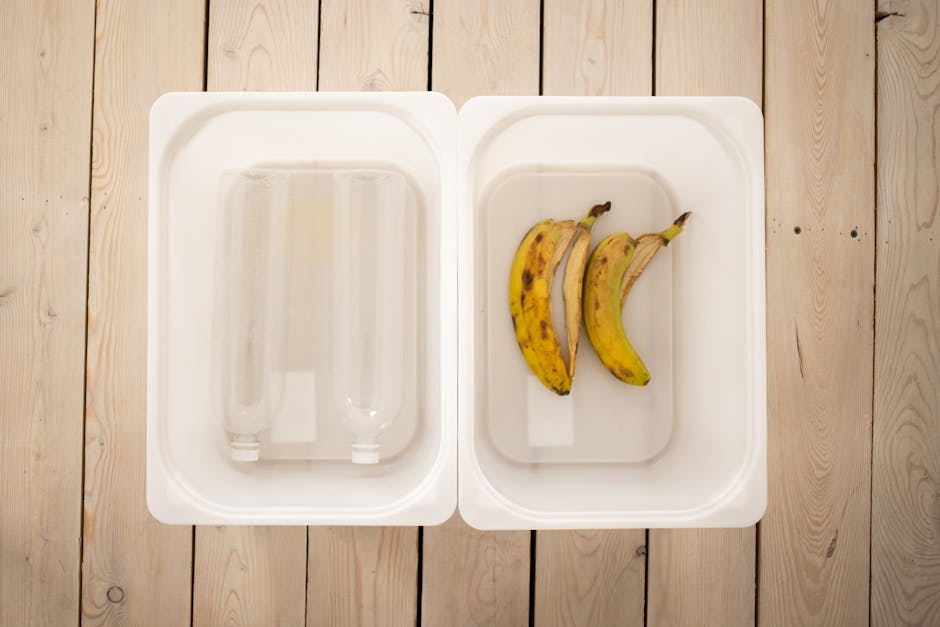
Right now, roughly 30% of what sits in your kitchen bin could be transforming your garden instead of rotting in a landfill. That’s banana peels, tea bags, vegetable scraps, and coffee grounds—all waiting to become rich, dark compost that gardeners call “black gold.” Starting composting at home isn’t complicated, expensive, or time-consuming. It just requires knowing what goes where and having the right setup.
Picture this scenario: You’re making dinner on a Tuesday evening. Carrot tops, onion skins, and wilted lettuce pile up on the counter. Normally, they’d go straight in the bin, but now you’ve got a better destination. A quick trip to your garden caddy, and those scraps begin their journey into nutrient-rich soil. Within months, they’ll feed your tomatoes, roses, or whatever else you’re growing. Meanwhile, you’ve lightened your bin weight, reduced methane emissions, and saved money on commercial compost. That’s the beauty of home composting.
Common Myths About Composting at Home
Related reading: Easy Plastic Free Swaps to Reduce Waste at Home
Myth: Composting Attracts Rats and Smells Terrible
Reality: Properly managed composting at home doesn’t attract pests or create foul odours. Problems arise when people add meat, dairy, or cooked food—all no-nos for home composting. Stick to vegetable scraps, fruit peelings, cardboard, and garden waste, and you’ll have zero smell issues. Rats come for protein and fats, not apple cores.
Myth: You Need a Big Garden to Start Composting
Reality: Even flat dwellers can compost. The Royal Horticultural Society confirms that compact bins, tumblers, or even bokashi systems work brilliantly in small spaces. Balcony composting is entirely possible with the right setup.
Myth: Composting Takes Ages and Requires Constant Attention
Reality: The most hands-off approach still produces usable compost in 6-12 months. Sure, you can speed things up by turning your pile weekly, but it’s not mandatory. Many successful composters simply add scraps, forget about them, and harvest finished compost twice yearly. That’s hardly demanding.
Why Bother With Home Composting?
You might also enjoy: How to Start Living Zero Waste on a Budget
Let’s talk practicality. UK households throw away roughly 4.5 million tonnes of food waste annually, according to WRAP. Most of this ends up in landfills where it produces methane—a greenhouse gas 25 times more potent than carbon dioxide. When you start composting at home, you’re directly cutting your carbon footprint.
Beyond environmental wins, there’s the financial angle. A 40-litre bag of multi-purpose compost costs anywhere from £5-8 at most garden centres. Making your own means never buying it again. Over a year, that’s £50-100 saved for gardeners who regularly need soil enrichment.
What’s more, homemade compost beats shop-bought versions in nutrient density. Your scraps contain minerals specific to what you eat—diverse nutrients that create healthier soil biology. Plants grown in homemade compost show improved disease resistance and better yields. Gardens genuinely thrive on it.
Choosing Your Composting Method
Three main approaches suit different living situations and commitment levels. Pick what matches your circumstances.
Traditional Compost Bins
The classic choice for anyone with garden space. These are typically 200-330 litre plastic or wooden containers that sit directly on soil. Material breaks down through natural decomposition aided by microbes, worms, and insects from the ground below.
Most council recycling schemes offer subsidised compost bins—often around £20 instead of £50-80 retail. Check your local authority website before buying. These bins work best when filled with alternating layers of “greens” (nitrogen-rich materials like vegetable peelings) and “browns” (carbon-rich materials like cardboard and dead leaves).
Installation takes minutes. Place on bare soil in a partially shaded spot. That’s it. Add your scraps over time, and nature handles the rest.
Compost Tumblers
These are raised, rotating drums that speed up decomposition through regular turning. Instead of manually forking your heap, you simply spin the barrel every few days. This adds oxygen, which accelerates microbial activity.
Tumblers produce finished compost in 4-8 weeks rather than 6-12 months. The trade-off? They’re pricier (£60-150) and have smaller capacities. They work brilliantly for small gardens, patios, or anyone who wants quick results. Something like a dual-chamber tumbler lets you fill one side whilst the other batch matures.
Bokashi Bins for Kitchen Composting
This Japanese fermentation method works indoors using a sealed bucket and special bran containing beneficial microbes. Unlike traditional composting, bokashi handles meat, dairy, and cooked food. The process is anaerobic (without oxygen), so it doesn’t smell when done correctly.
Within two weeks, your fermented scraps become pre-compost. Bury this in your garden, and it breaks down into usable compost within 2-4 weeks. Alternatively, drain the liquid fertiliser produced and use it diluted (1:100 ratio) to feed houseplants.
Perfect for flats or homes without outdoor space. Bins typically cost £30-50, with bran refills running around £8 for several months’ supply.
What Goes In Your Compost (And What Definitely Doesn’t)
Success with composting at home hinges on understanding this distinction. Get it wrong, and you’ll attract pests or create anaerobic sludge. Get it right, and everything transforms beautifully.
Green Light: Add These Freely
- Vegetable peelings and scraps
- Fruit waste (cores, skins, bruised bits)
- Tea bags and loose tea leaves
- Coffee grounds and filter papers
- Crushed eggshells (wash first to avoid attracting flies)
- Grass clippings in thin layers
- Soft plant prunings and dead flowers
- Cardboard (torn into small pieces)
- Shredded paper and newspaper
- Wood shavings from untreated timber
Red Light: Never Add These
- Meat, fish, or bones
- Dairy products
- Cooked food and leftovers
- Dog or cat faeces
- Diseased plants
- Glossy magazines or coated paper
- Coal ash or treated wood
- Weeds with seed heads (unless you have a hot compost system)
Here’s the thing: balance matters more than perfection. Aim for roughly 50:50 greens to browns. Too many greens create a slimy, smelly mess. Too many browns, and decomposition slows to a crawl. When you empty your kitchen caddy of scraps, toss in some torn cardboard or scrunched newspaper to maintain equilibrium.
Your 30-Day Composting Setup Plan
Breaking this into bite-sized actions makes starting composting at home genuinely achievable, even if you’re juggling work, family, and a social life.
Weeks 1-4
1: Research and Acquire
- Day 1-2: Measure your available space. Check whether your council offers subsidised bins through their website. Many UK local authorities provide excellent deals.
- Day 3-4: Order or purchase your chosen system. Traditional bins take 5-10 days for delivery if subsidised. Garden centres stock tumblers and bokashi kits immediately.
- Day 5-7: Read the NHS advice on reducing food waste whilst waiting for delivery. Understanding what you’re currently binning helps you maximise your composting efforts.
2: Installation and Kitchen Prep
- Day 8-9: Position your bin or tumbler. Choose partially shaded spots that aren’t bone dry or waterlogged. Ensure easy access year-round—trudging through winter mud gets old fast.
- Day 10-11: Acquire a kitchen caddy with a lid. Most councils provide these free. Line it with newspaper rather than compostable bags (which often don’t break down properly).
- Day 12-14: Start collecting browns. Stockpile torn cardboard boxes, shredded paper, and dry leaves. Store these in a dry spot near your compost area.
3: Begin Composting
- Day 15-17: Add your first layer—roughly 10cm of browns as a base. This aids drainage and air circulation.
- Day 18-20: Start adding kitchen scraps. Each time you empty your caddy, cover with a handful of browns. Think lasagne layers.
- Day 21: Water lightly if your heap seems dry. Compost should feel like a wrung-out sponge—moist but not dripping.
4: Establish Routine
- Day 22-28: Continue your rhythm. Empty the kitchen caddy every 2-3 days. Add garden waste when you’ve got it. Notice what works and what doesn’t. Adjust accordingly.
- Day 29-30: If using a tumbler, give it a spin every other day. Traditional bins need turning monthly using a garden fork, but honestly, many successful composters skip this entirely.
Troubleshooting Common Composting Problems
Problem 1: Attracting Flies or Fruit Flies
Why it happens: Exposed fruit scraps on top act like a buffet invitation. Flies lay eggs, and suddenly you’ve got larvae.
Solution: Always bury fresh additions under browns or finished compost. Keep your kitchen caddy sealed and empty it regularly. Adding a layer of soil or finished compost on top acts as a natural lid.
Problem 2: Slimy, Smelly Heap
Why it happens: Too many greens without enough browns creates anaerobic conditions. Instead of composting, material rots.
Solution: Mix in loads of cardboard, shredded paper, or dry leaves immediately. Turn the heap to introduce oxygen. Within a week, smell dissipates as aerobic decomposition resumes.
Problem 3: Nothing’s Breaking Down
Why it happens: Either too dry, too many browns, or insufficient material volume. Small heaps struggle to generate heat.
Solution: Water until moist. Add nitrogen-rich greens like grass clippings or vegetable scraps. Ensure your heap reaches at least 1 cubic metre—smaller piles lack critical mass for heat generation.
Problem 4: Encountering Rats
Why it happens: Someone’s added meat, dairy, or cooked food. Rats aren’t interested in vegetable peelings alone.
Solution: Remove any prohibited items immediately. Consider a enclosed bin with a solid base rather than open-bottomed designs. Wire mesh underneath prevents burrowing. Stop adding food waste temporarily until the problem resolves.
Harvesting Your Finished Compost
After 6-12 months of composting at home (or 4-8 weeks with tumblers), you’ll notice dark, crumbly material at the bottom of your heap. This is ready compost—it smells earthy, not rotting, and individual scraps become unrecognisable.
Stop adding fresh material to one section whilst continuing to fill another. Most bins have base hatches for easy harvesting. Sieve out large unfinished chunks and return them to the active heap.
Use your finished compost to:
- Mulch around established plants (5cm layer)
- Mix into planting holes for new additions (50:50 with existing soil)
- Top-dress lawns in autumn
- Fill containers for vegetables or flowers (mixed with peat-free compost)
- Create potting mix for seed starting (sieved finely first)
Quality varies batch to batch. Early attempts might be rougher textured—perfectly fine for mulching but less ideal for seed starting. As you refine your technique, consistency improves.
Advanced Tips for Composting Enthusiasts
Once you’ve mastered basics, these strategies optimise results.
Hot Composting for Speed
Build your entire heap in one go rather than gradually adding material. Collect enough waste to create a 1-metre cube, layer greens and browns, then leave it. Internal temperatures reach 60-70°C within days, killing weed seeds and pathogens. Turning weekly maintains heat. Finished compost appears in 8-12 weeks.
This requires significant material volume upfront. Save scraps and collect neighbours’ contributions if needed. Many allotment sites coordinate communal hot heaps for this reason.
Worm Composting (Vermicomposting)
Special composting worms (red wigglers, not earthworms) devour kitchen waste incredibly efficiently. Worm bins work indoors or outside, producing both compost and liquid fertiliser.
Something like a tiered worm composter handles continuous feeding. Worms migrate upward as they finish lower trays. Harvest happens every 3-4 months. The resulting worm castings contain concentrated nutrients that plants adore.
Initial setup involves buying composting worms (£25-35 for a starter colony) and a suitable bin (£40-80). After that, they’re self-sustaining and actually multiply.
Leaf Mould for Potting Mix
Autumn leaves decompose differently from kitchen scraps. Collect fallen leaves, stuff them into bin bags with a few holes punched for air, then forget about them for 12-18 months. The result is leaf mould—a fantastic soil conditioner and peat-free alternative.
This complements rather than replaces regular composting at home. Use leaf mould for seed starting and container growing whilst kitchen-scrap compost enriches garden beds.
Making Composting a Habit
The difference between short-lived enthusiasm and long-term success lies in establishing automatic behaviours. Starting composting at home works when it requires zero willpower.
Place your kitchen caddy somewhere visible and accessible—not hidden under the sink where you’ll forget it exists. Near the kettle or next to the main bin works brilliantly. Out of sight truly means out of mind.
Keep browns stockpiled within arm’s reach of your compost bin. A bag of torn cardboard or shredded paper hanging on the bin eliminates the friction of “I’ll layer it properly later.” Later never comes. Easy beats perfect.
Set phone reminders for monthly check-ins. Five minutes assessing moisture levels, adding browns if needed, or giving everything a quick turn maintains momentum. Consistency compounds over time.
Composting Throughout the Seasons
British weather creates distinct challenges and opportunities across the year.
Spring: Ramping Up
Garden waste increases dramatically as you prune, weed, and clear winter debris. Balance this green surge with saved browns from winter. Empty your compost bin’s finished material to make space for spring’s bounty.
Summer: Peak Production
Grass clippings flood in weekly. Add them in thin layers mixed with browns, never dumped in thick mats that turn slimy. Drought can dry heaps out—water occasionally during extended dry spells.
Autumn: Stockpiling Browns
Fallen leaves provide unlimited browns for the coming year. Fill bags, stuff them alongside your compost area, and draw from this reserve throughout winter when browns become scarce. Autumn also brings harvest waste—pumpkin innards, corn husks, spent plants.
Winter: Slower But Steady
Decomposition slows considerably in cold temperatures, but microbial activity continues. Keep adding scraps regardless. They’ll break down once spring warmth returns. Insulating your bin with cardboard or old carpet maintains some internal heat.
Your Composting Checklist
- Choose a composting method suited to your space and lifestyle
- Acquire subsidised bin from council or purchase tumbler/bokashi system
- Position bin in partially shaded spot with good drainage
- Set up kitchen caddy lined with newspaper near your main preparation area
- Stockpile browns (cardboard, paper, dry leaves) for easy layering
- Maintain roughly 50:50 green-to-brown ratio for optimal decomposition
- Water when heap seems dry, aiming for wrung-out-sponge moisture
- Cover fresh additions with browns to prevent flies and smells
- Turn monthly (traditional bins) or spin regularly (tumblers) to add oxygen
- Harvest finished compost from bottom when dark and crumbly
- Troubleshoot issues immediately rather than letting problems compound
- Celebrate diverting waste from landfill and creating garden gold
Your Composting Questions Answered
How long does composting at home actually take from start to finished compost?
Traditional bins produce usable compost in 6-12 months depending on conditions, what you add, and whether you turn the heap. Tumblers accelerate this to 4-8 weeks with regular spinning. Hot composting delivers results in 8-12 weeks if you’re committed to turning weekly. Bokashi fermentation takes just 2 weeks, but requires additional garden burial time for final breakdown. Patience pays off—that first batch takes longest whilst subsequent batches happen continuously.
Can I compost if I live in a flat without a garden?
Absolutely. Bokashi bins handle all kitchen waste indoors through fermentation. Community gardens often welcome contributions to shared compost heaps in exchange for taking finished compost. Some councils run food waste collection specifically for composting. Worm bins work brilliantly on balconies or even under kitchen sinks. Check whether nearby allotments accept scraps—many plot holders happily receive kitchen waste and might share finished compost in return.
What’s that white mould growing on my compost—is it ruined?
White or grey fungal growth indicates healthy decomposition, not problems. These beneficial fungi break down woody materials and cellulose. Simply turn your heap to distribute them throughout. Genuinely problematic moulds smell foul and look slimy. Healthy white mould resembles bread mould and signifies active microbial communities doing their job beautifully.
Should I add compost activators or accelerators to speed things up?
Usually unnecessary if you’re adding diverse materials with proper green-brown balance. Urine diluted 10:1 with water provides free nitrogen that accelerates decomposition—gardeners have used this trick for centuries. Grass clippings, coffee grounds, or nettle leaves achieve similar results. Commercial activators work but aren’t essential for successful composting at home. Save your money unless you’re specifically hot composting and need rapid heat generation.
How do I know when my compost is actually finished and ready to use?
Finished compost looks dark brown to black, feels crumbly, and smells earthy like forest floor. You shouldn’t recognise individual vegetable scraps anymore. Grab a handful—it should hold together when squeezed but break apart easily. Texture resembles rich soil rather than rotting vegetation. Some uncomposted bits (avocado stones, tough stems) might remain—simply sieve these out and return them to your active heap. Using compost slightly early won’t harm plants, though waiting until fully finished maximises nutrient availability.
Making It Work Long-Term
Starting composting at home represents one of those rare actions where effort decreases whilst benefits compound. Year one feels experimental—learning what works, troubleshooting surprises, establishing rhythms. Year two onwards becomes automatic. You’ll struggle to imagine binning vegetable scraps ever again.
Gardens transformed by homemade compost show tangible improvements. Plants grow more vigorously. Soil becomes easier to work. Water retention improves during summer droughts. Pest and disease resistance strengthens. These aren’t subtle changes—neighbours notice.
The waste reduction feels equally significant. Watching your general rubbish bin shrink from weekly collections to fortnightly (or monthly) proves you’re making genuine environmental impact. That’s roughly 150kg of organic waste diverted from landfill annually per household. Multiply that across streets, towns, and cities. Meaningful change starts small.
Will every batch turn out perfectly? No. Some heaps dry out, others get waterlogged, and occasionally you’ll discover something you shouldn’t have added. That’s learning. The difference between people who sustain composting at home and those who abandon it isn’t perfection—it’s treating setbacks as data rather than failure. Adjust and continue.
You’ve got everything you need to start today. Pick your method. Order your bin. Save some cardboard. Next time you’re chopping vegetables, that first handful of scraps begins your composting journey. Six months from now, you’ll harvest your first batch of dark, rich compost and wonder why you didn’t start years ago.


