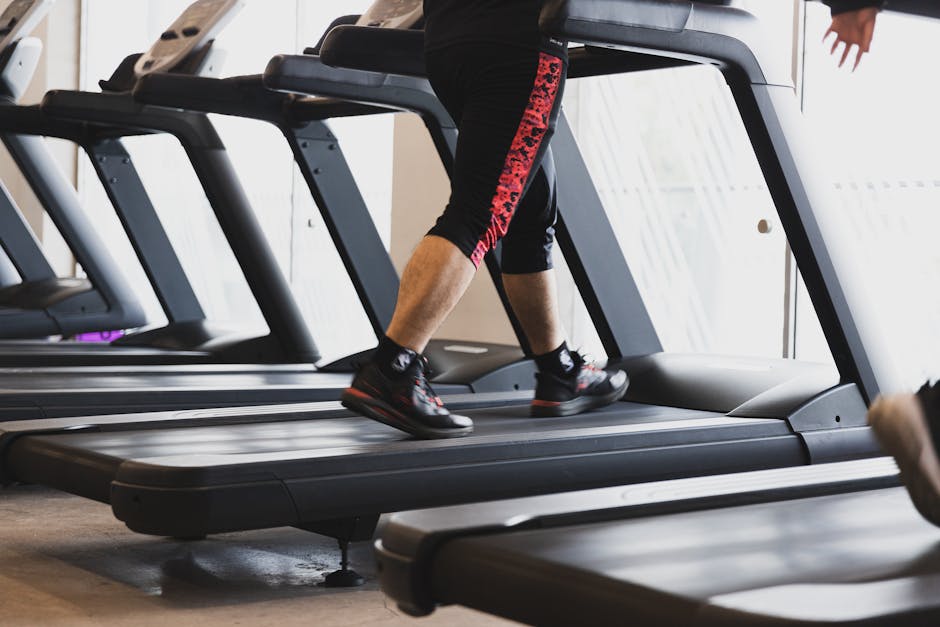
Low intensity steady state cardio might sound technical, but it’s probably the most accessible form of exercise you’re not doing enough of. While everyone chases high-intensity interval training and complicated workout programmes, this simple approach to cardiovascular exercise is quietly burning fat, speeding recovery, and transforming bodies without the exhaustion or joint pain that comes with more aggressive training methods.
📖 Reading time: 20 minutes
Picture this: You’ve just finished a brutal workout two days ago, and your legs still feel like concrete. You know you should move, but the thought of another intense session makes you want to crawl back into bed. Or perhaps you’ve tried every fat loss programme under the sun, pushed yourself to exhaustion, only to feel burnt out and injured. You’re not alone. Thousands of fitness enthusiasts across the UK have discovered that sometimes, slowing down is the fastest way to reach your goals.
Common Myths About Low Intensity Steady State Cardio
For more on this topic, you might enjoy: 15 Low Impact Cardio Exercises That Protect Your Joints While Burning Serious Calories.
Before we explore how low intensity steady state cardio can revolutionise your fitness routine, let’s address some persistent misconceptions that might be holding you back.
Myth: You Need to Work at Maximum Intensity to Burn Fat
Reality: This couldn’t be further from the truth. Low intensity steady state cardio actually burns a higher percentage of calories from fat compared to high-intensity exercise. According to research published in the British Journal of Sports Medicine, exercising at 60-70% of your maximum heart rate creates optimal conditions for fat oxidation. When you work at lower intensities, your body preferentially uses fat stores for fuel rather than relying primarily on glycogen. High-intensity work has its place, but it’s not the only path to fat loss.
Myth: Low Intensity Exercise Is a Waste of Time
Reality: The sustainability factor alone makes low intensity steady state cardio incredibly effective. You can perform this type of exercise nearly every day without overtaxing your recovery systems. A 45-minute walk burns approximately 200-300 calories whilst being gentle enough to repeat daily, totalling 1,400-2,100 calories per week. Compare this to high-intensity sessions that require 48-72 hours recovery, limiting you to perhaps three sessions weekly. The consistency wins the race.
Myth: It’s Only for Beginners or Older People
Reality: Elite athletes across every discipline incorporate low intensity steady state cardio into their training programmes. Professional bodybuilders use it during cutting phases to preserve muscle whilst shedding fat. Marathon runners build their aerobic base with hundreds of miles at conversational pace. Premier League footballers use recovery walks and easy cycling sessions between matches. If it’s good enough for professional athletes, it’s certainly not beneath anyone else.
Understanding How Low Intensity Steady State Cardio Burns Fat
Related: How to Read Food Labels for Weight Loss Success.
Low intensity steady state cardio works through several interconnected mechanisms that make it uniquely effective for fat loss. When you exercise at 50-70% of your maximum heart rate—roughly the pace where you can hold a conversation comfortably—your body enters what exercise physiologists call the “fat-burning zone.” This isn’t marketing hype; it’s basic human metabolism.
At lower intensities, your muscles have time to efficiently transport and utilise fat molecules for energy. Fat oxidation is a relatively slow process that requires oxygen, which is why it works best during sustained, moderate effort. When you push harder into high-intensity zones, your body shifts toward using glycogen because it can be mobilised more quickly, even though it provides fewer total calories per gram.
The NHS recommends at least 150 minutes of moderate-intensity activity per week for general health, but for fat loss, you’ll want to aim higher. Studies from the University of Bath found that individuals performing 300 minutes of moderate-intensity exercise weekly experienced significant reductions in body fat percentage, particularly visceral fat around the organs—the most dangerous type for health outcomes.
What makes low intensity steady state cardio particularly effective is the caloric deficit it creates without triggering excessive hunger. High-intensity exercise often stimulates appetite hormones, leading people to overeat and negate their caloric burn. Research published in the Journal of Applied Physiology found that moderate-intensity exercise produces smaller increases in the hunger hormone ghrelin compared to vigorous activity, making it easier to maintain the caloric deficit necessary for fat loss.
Low Intensity Steady State Cardio for Recovery and Performance
You may also find this helpful: Battle Rope Exercises Transform Fat Loss and Endurance in Just 20 Minutes.
Beyond fat loss, low intensity steady state cardio serves as one of the most powerful recovery tools available. Active recovery at low intensities increases blood flow to muscles without creating additional fatigue, delivering oxygen and nutrients whilst flushing metabolic waste products that accumulate during intense training.
When you perform resistance training or high-intensity intervals, you create microscopic damage to muscle fibres and deplete energy stores. Your body needs resources to repair this damage and adapt to the stimulus. Low intensity steady state cardio enhances this process by improving circulation without competing for recovery resources. A 30-minute walk or easy cycle the day after a hard leg session can actually reduce muscle soreness and improve subsequent performance.
The autonomic nervous system—which controls unconscious functions like heart rate and digestion—also benefits tremendously from low intensity work. Hard training pushes you into a sympathetic (fight-or-flight) state, which is necessary for adaptation but stressful when prolonged. Low intensity steady state cardio activates the parasympathetic (rest-and-digest) nervous system, promoting recovery and reducing cortisol levels.
Many people training for specific goals find themselves constantly exhausted, unable to recover between sessions, and prone to injury. This is often because they’ve filled their entire training week with high-intensity work, leaving no room for active recovery. Incorporating 2-4 sessions of low intensity steady state cardio can dramatically improve recovery capacity, allowing you to train harder when it matters most whilst continuing to burn fat during easier sessions.
Best Forms of Low Intensity Steady State Cardio
The beauty of low intensity steady state cardio lies in its variety and accessibility. Unlike specialized training methods requiring specific equipment or facilities, you have countless options that fit different preferences, fitness levels, and schedules.
Walking
Never underestimate the power of a good walk. Walking at a brisk pace (roughly 5-6 km/h) perfectly fits the low intensity steady state cardio profile. It’s weight-bearing, which helps maintain bone density, and requires no equipment beyond comfortable shoes. Walking on varied terrain—hills, trails, beaches—increases caloric expenditure without pushing intensity too high. The accessibility factor cannot be overstated: you can walk anywhere, anytime, in almost any weather with proper clothing.
Cycling
Both outdoor cycling and stationary bikes offer excellent low intensity steady state cardio options. Cycling is particularly joint-friendly because it’s non-impact, making it ideal for heavier individuals or those with knee, hip, or ankle issues. You can easily maintain steady effort for extended periods, and the breeze generated during outdoor cycling helps with temperature regulation. If you’re considering equipment for home, a basic stationary bike provides a reliable option for year-round training regardless of British weather.
Swimming
Swimming provides unmatched joint protection whilst engaging nearly every muscle group. The resistance of water creates a higher caloric burn than you might expect at comfortable paces. Swimming particularly suits those carrying significant weight or recovering from injuries, as the buoyancy eliminates impact stress. Most UK leisure centres offer convenient swimming facilities, and many provide quieter lane swimming sessions perfect for steady-paced work.
Rowing
Rowing machines deliver full-body engagement with controllable intensity. At lower resistance settings and comfortable stroke rates (18-24 strokes per minute), rowing becomes excellent low intensity steady state cardio. The seated position and smooth motion pattern make rowing accessible even for those with lower body limitations. Rowing also builds postural muscles in the back and core, providing functional benefits beyond fat loss and recovery.
The key with any form of low intensity steady state cardio is maintaining conversational pace. If you’re gasping for breath or unable to speak in complete sentences, you’ve drifted out of the target zone. Consistency matters more than suffering—you should finish sessions feeling energized rather than destroyed.
How to Structure Your Low Intensity Steady State Cardio Programme
Implementing low intensity steady state cardio effectively requires balancing frequency, duration, and integration with other training. The optimal approach depends on your current fitness level, goals, and training schedule, but several principles apply universally.
For pure fat loss, aim for 4-6 sessions of low intensity steady state cardio weekly, with each session lasting 30-60 minutes. This provides substantial caloric expenditure (800-1,800 calories weekly from cardio alone) whilst remaining sustainable long-term. Morning sessions performed in a fasted state may enhance fat oxidation, though this isn’t essential—consistency matters more than timing.
When combining low intensity steady state cardio with resistance training, strategic placement maximizes results. Perform cardio on non-lifting days for active recovery, or separate it from resistance sessions by at least 6-8 hours if they must occur on the same day. Immediately following resistance training with lengthy cardio can compromise muscle growth adaptations, particularly if you’re in a caloric deficit.
Heart rate monitoring provides objective guidance for staying in the appropriate intensity zone. Calculate your maximum heart rate (220 minus your age provides a rough estimate), then aim for 50-70% of this number during sessions. For example, a 35-year-old would have an estimated maximum heart rate of 185 beats per minute, making the target zone 93-130 bpm for low intensity steady state cardio work. Basic fitness trackers can monitor this continuously, helping you avoid accidentally pushing too hard.
Progressive overload applies to low intensity steady state cardio just as it does to strength training. Start conservatively—perhaps 20-30 minute sessions 3-4 times weekly—then gradually increase duration before frequency. Once you’re comfortably performing 60-minute sessions regularly, you can add subtle challenges like gentle inclines, slightly faster paces, or more frequent sessions rather than continually extending duration.
Your Four-Week Low Intensity Steady State Cardio Action Plan
This progressive plan helps you build a sustainable low intensity steady state cardio habit whilst maximizing fat loss and recovery benefits. Adjust based on your schedule, but maintain the principle of gradual progression.
- Week 1 – Establishing the Baseline: Complete three 20-minute sessions at conversational pace. Choose your preferred modality—walking, cycling, or swimming. Focus on learning what “low intensity” feels like. You should be able to breathe through your nose or hold a conversation throughout. Schedule sessions on non-consecutive days to establish the routine without overwhelming yourself.
- Week 2 – Building Duration: Increase to four 25-minute sessions. Add one extra session whilst extending each by five minutes. This modest increase builds work capacity without creating excessive fatigue. Pay attention to how you feel—sessions should leave you energized, not exhausted. If you’re doing resistance training, place these cardio sessions on recovery days or at least six hours apart from lifting.
- Week 3 – Increasing Frequency: Progress to five 30-minute sessions throughout the week. You’re now performing 150 minutes weekly—the NHS minimum recommendation. At this volume, you’ll notice improved recovery between harder training sessions and measurable fat loss if your nutrition supports it. Vary your modalities if possible to prevent boredom and distribute physical stress differently.
- Week 4 – Reaching Target Volume: Maintain five sessions but extend to 40-45 minutes each. You’re now completing 200-225 minutes of low intensity steady state cardio weekly, creating substantial caloric expenditure whilst enhancing recovery capacity. This volume, combined with proper nutrition, typically produces 0.5-1kg of fat loss weekly. Some sessions can be longer (60 minutes) whilst others remain shorter (30 minutes) based on your schedule.
Beyond week four, maintain this volume for 4-6 weeks before making further increases. You don’t need to continually add more cardio—at some point, adjusting dietary intake becomes more practical than adding training volume. Many people find 200-300 minutes weekly of low intensity steady state cardio provides an ideal balance between fat loss benefits and time investment.
Mistakes to Avoid (And How to Fix Them)
Mistake 1: Letting Intensity Drift Too High
Why it’s a problem: The most common error with low intensity steady state cardio is unconsciously pushing too hard, transforming recovery work into additional training stress. When you exceed 70-75% of maximum heart rate, you shift from the fat-burning zone into moderate-intensity work that requires recovery resources. This defeats the purpose of low intensity steady state cardio and can lead to overtraining symptoms, elevated cortisol, and diminished fat loss.
What to do instead: Use the talk test as your primary guide. You should be able to speak in complete sentences without gasping. If you’re breathing too hard to chat comfortably, slow down immediately. Heart rate monitors provide objective feedback—set an alarm to alert you if you exceed your target zone. Remember: slower is often better. There’s no prize for making recovery work unnecessarily difficult.
Mistake 2: Skipping Low Intensity Work Because It “Feels Too Easy”
Why it’s a problem: Many fitness enthusiasts, particularly those coming from high-intensity training backgrounds, dismiss low intensity steady state cardio as insufficiently challenging. They equate effectiveness with suffering, assuming that if they’re not exhausted, they’re wasting time. This mindset leads to chronic overtraining, compromised recovery, and eventually injury or burnout. The psychological need to “smash” every workout prevents them from experiencing the benefits of strategic easy work.
What to do instead: Reframe your perspective on training intensity. Elite athletes spend 70-80% of their training volume at low intensities precisely because it allows them to recover whilst building aerobic capacity and burning fat. Easy sessions enable hard sessions. Track your body composition and recovery markers rather than judging workouts by how exhausted you feel. You’ll likely find that incorporating more low intensity steady state cardio actually improves your performance in high-intensity sessions.
Mistake 3: Performing Low Intensity Cardio Immediately After Resistance Training
Why it’s a problem: When you complete a resistance training session, you’ve created a powerful stimulus for muscle growth and metabolic adaptation. Your body needs to begin recovery processes immediately. Adding 45-60 minutes of low intensity steady state cardio straight after lifting, particularly when in a caloric deficit, can interfere with muscle protein synthesis and glycogen replenishment. This becomes especially problematic if fat loss causes you to lose more muscle than necessary.
What to do instead: Separate cardio and resistance training by at least 6-8 hours when possible. Ideally, perform low intensity steady state cardio on entirely separate days as active recovery. If you must combine them in one day, prioritize your primary goal first—if muscle building is priority, lift first and keep subsequent cardio shorter (20-30 minutes). Alternatively, perform brief (10-15 minute) cardio as a warm-up before lifting, then save longer sessions for separate days.
Mistake 4: Neglecting Proper Fueling Around Sessions
Why it’s a problem: Whilst low intensity steady state cardio can be performed fasted for enhanced fat oxidation, completely neglecting nutrition around training can backfire. Chronic under-fueling impairs recovery, elevates cortisol, disrupts hormones (particularly in women), and can actually slow fat loss by downregulating metabolism. Additionally, inadequate hydration during longer sessions compromises performance and recovery.
What to do instead: For sessions under 45 minutes at low intensity, fasted training is generally fine if you prefer it. For longer sessions (60+ minutes), consider having a small amount of easily digestible carbohydrate beforehand—a banana or a slice of toast with honey. Always hydrate properly during sessions lasting more than 30 minutes, particularly in warm conditions. Post-session, ensure you eat within 1-2 hours as part of your regular meal pattern to support recovery, especially if you’re also doing resistance training.
Mistake 5: Using the Same Modality and Route Repeatedly
Why it’s a problem: Whilst consistency in performing low intensity steady state cardio is valuable, monotonous training becomes mentally draining and can create overuse injuries. Walking the identical route daily, using the same stationary bike for months, or swimming the same stroke pattern repeatedly places repetitive stress on the same structures whilst boring you into eventually abandoning the practice entirely.
What to do instead: Vary your low intensity steady state cardio modalities throughout the week. Walk some days, cycle others, perhaps swim or row occasionally. Change your walking routes regularly to provide mental stimulation and varied terrain. Listen to podcasts, audiobooks, or music to maintain engagement during longer sessions. This variety distributes mechanical stress differently whilst keeping the practice psychologically fresh and sustainable long-term.
Maximizing Fat Loss Results With Low Intensity Steady State Cardio
Low intensity steady state cardio creates caloric expenditure and enhances fat oxidation, but it works best when integrated into a comprehensive fat loss strategy. Several complementary factors determine whether you’ll achieve the body composition changes you’re seeking.
Caloric intake remains the fundamental driver of fat loss. Low intensity steady state cardio helps by increasing total daily energy expenditure—the calories you burn throughout 24 hours. A 45-minute walk burns approximately 200-300 calories depending on pace and bodyweight, but it also slightly elevates metabolism for hours afterward and improves insulin sensitivity, making your body more efficient at using nutrients rather than storing them as fat.
According to research from the University of Bristol, combining regular low intensity steady state cardio with a moderate caloric deficit (300-500 calories below maintenance) produces steady fat loss of 0.5-1kg weekly whilst preserving muscle mass. More aggressive deficits coupled with excessive cardio often backfire, leading to muscle loss, metabolic adaptation, and eventually regaining lost fat.
Sleep quality profoundly impacts fat loss success, and low intensity steady state cardio can help. Studies show that regular moderate-intensity exercise improves sleep duration and quality, which in turn optimizes hormones like leptin and ghrelin that regulate hunger and satiety. Morning sessions of low intensity steady state cardio may be particularly beneficial, as exposure to outdoor light helps regulate circadian rhythms.
Stress management deserves equal attention. Chronic psychological stress elevates cortisol, which promotes fat storage (particularly around the abdomen) and increases cravings for calorie-dense foods. Low intensity steady state cardio serves as moving meditation—time away from screens and stressors, allowing your mind to wander whilst your body moves. Many people find their walking or cycling sessions become valuable thinking time, returning mentally refreshed alongside the physical benefits.
Patience and consistency ultimately determine success. Low intensity steady state cardio isn’t a quick fix—it’s a sustainable lifestyle practice that produces results when performed regularly over months and years. The individuals who successfully transform their body composition aren’t those who push hardest for a few weeks before burning out. They’re the ones who establish manageable routines, maintain them through all seasons, and trust the cumulative effect of consistent effort.
Quick Reference Checklist
- Maintain conversational pace throughout all low intensity steady state cardio sessions—use the talk test
- Keep heart rate between 50-70% of maximum during sessions for optimal fat burning
- Aim for 30-60 minutes per session, 4-6 times weekly for fat loss goals
- Schedule low intensity cardio on separate days from resistance training when possible
- Vary modalities—walk, cycle, swim, or row—to prevent overuse injuries and maintain interest
- Stay properly hydrated during sessions lasting longer than 30 minutes
- Track your sessions in a simple log to maintain consistency and monitor progress
- Listen to your body—sessions should leave you energized, not exhausted or sore
Frequently Asked Questions
How long does it take to see fat loss results from low intensity steady state cardio?
Most people notice initial changes within 2-3 weeks when combining consistent low intensity steady state cardio with appropriate nutrition. Visible body composition improvements typically become apparent around the 4-6 week mark, with continued progress over subsequent months. Remember that fat loss isn’t linear—you might lose 1kg one week and nothing the next despite identical effort. The scale doesn’t tell the complete story either; take measurements and progress photos monthly for accurate assessment. Patience and consistency produce results that last, unlike crash approaches that lead to rapid regain.
Can I do low intensity steady state cardio every day without overtraining?
Yes, daily low intensity steady state cardio is generally safe and can be highly effective for fat loss and recovery. The low stress nature means it doesn’t significantly tax your recovery systems the way high-intensity training does. Many people successfully walk 30-60 minutes daily for years without issues. However, listen to your body—if you feel persistently fatigued, notice declining performance in resistance training, or develop overuse injuries, you may need to reduce frequency or duration. Starting with 3-4 sessions weekly and gradually building to daily sessions allows your body to adapt progressively.
Will low intensity steady state cardio make me lose muscle mass?
Low intensity steady state cardio is actually muscle-sparing when performed correctly, especially compared to excessive high-intensity cardio or dramatic caloric deficits. The key is maintaining adequate protein intake (1.6-2.2g per kilogram of bodyweight daily), keeping your caloric deficit moderate (300-500 calories below maintenance), and continuing resistance training to signal your body to preserve muscle. Research from Loughborough University found that combining low intensity steady state cardio with resistance training and proper nutrition resulted in fat loss whilst maintaining or even gaining lean mass in many subjects. The problems arise when people create massive caloric deficits, perform hours of cardio daily, and neglect strength training.
Should I do low intensity steady state cardio fasted for better fat loss?
Fasted low intensity steady state cardio can slightly enhance fat oxidation during the session itself, but this doesn’t necessarily translate to greater total fat loss over time. What matters most is total caloric deficit over days and weeks, not the fuel source during individual workouts. That said, many people find morning fasted walks convenient and enjoyable without negative effects. If you feel fine training fasted and it fits your schedule, go ahead. However, if you feel dizzy, weak, or unable to complete sessions properly, have a small meal beforehand. For sessions longer than 60 minutes, some carbohydrate beforehand often improves performance and recovery without impairing fat loss results.
What’s better for fat loss: low intensity steady state cardio or high-intensity interval training?
Both approaches burn calories and can support fat loss, but they serve different purposes and suit different contexts. High-intensity interval training burns more calories per minute and creates a larger “afterburn” effect, but requires significant recovery and can be performed less frequently. Low intensity steady state cardio burns fewer calories per minute but can be done more often, accumulates substantial total caloric expenditure weekly, and enhances recovery rather than competing with it. Most people benefit from including both: 2-3 high-intensity sessions weekly for cardiovascular fitness and time efficiency, plus 3-5 low intensity steady state cardio sessions for additional caloric burn and active recovery. If you can only choose one, low intensity steady state cardio is more sustainable long-term and carries lower injury risk.
Moving Forward With Confidence
Low intensity steady state cardio represents one of the most accessible, sustainable, and effective tools for fat loss and recovery. Unlike training methods that require specialized equipment, perfect form, or pushing yourself to exhaustion, this approach simply asks you to move at a comfortable pace regularly. The cumulative effect of consistent effort outweighs any single heroic workout.
The most important points to remember: maintain conversational pace during all sessions, aim for 30-60 minutes 4-6 times weekly, separate cardio from resistance training when possible, and vary your activities to maintain interest and prevent overuse injuries. Low intensity steady state cardio should enhance your life and training, not become another source of stress or exhaustion.
Start where you are, with what you have available. A 20-minute walk around your neighbourhood is a perfect beginning. Add five minutes each week, introduce additional sessions gradually, and trust that regular practice will transform your body composition and recovery capacity over time. The hardest part is always beginning. Lace up your shoes, hop on that bike, or head to the pool. Your future self will thank you for taking that first step today.


