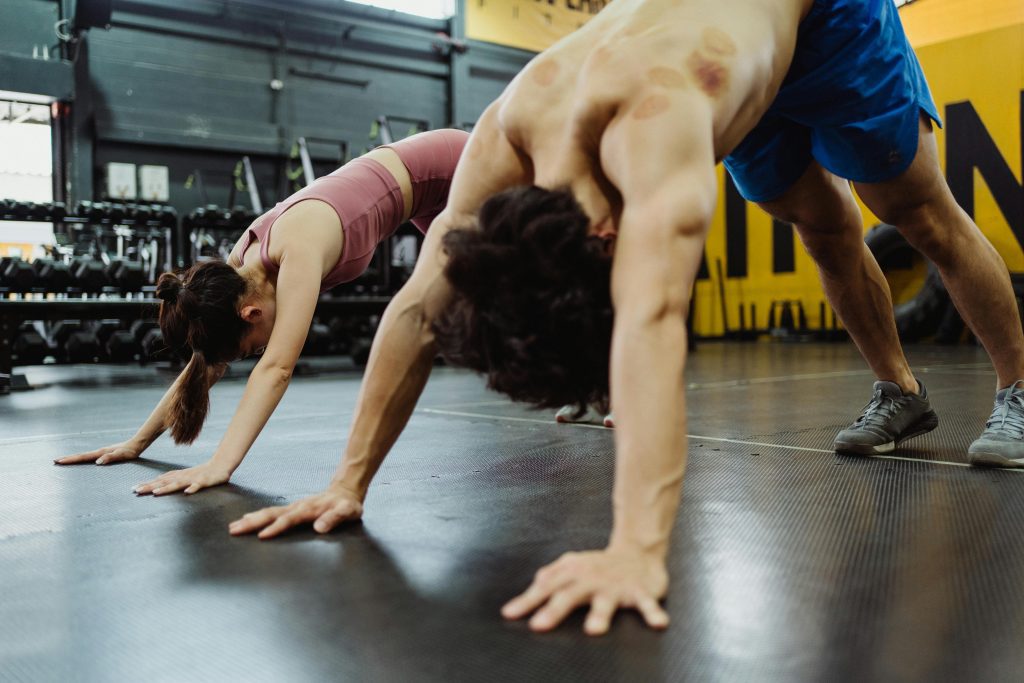
Let’s be honest—finding time to exercise can feel impossible when you’re juggling work, family, and everything else life throws at you. But here’s the good news: you don’t need hours at the gym to see real results. A quick full body workout can transform your fitness routine, boost your energy, and help you feel stronger in just 20 minutes or less. Whether you’re a complete beginner or getting back into exercise after a break, these efficient workouts fit perfectly into even the busiest schedule. Today, we’re diving into everything you need to know about creating an effective quick full body workout that actually works.
Related reading: How to Stay Energised When Travelling Long Haul: Science-Backed Strategies That Actually Work.
Related reading: Lower Body Dumbbell Workout: Your Complete Guide to Stronger Legs at Home.
Why Choose a Quick Full Body Workout?
Time-efficient exercise isn’t just convenient—it’s often more effective than you might think. A quick full body workout targets multiple muscle groups simultaneously, maximising calorie burn and building functional strength. According to NHS guidelines, adults should aim for at least 150 minutes of moderate activity weekly, and short, intense sessions absolutely count towards this goal.
The beauty of these workouts lies in their versatility. You can perform them at home, in the park, or even in your office during lunch break. No fancy equipment required—just your body weight and determination. Plus, research shows that high-intensity, short-duration exercise can improve cardiovascular fitness, increase metabolism, and reduce stress levels just as effectively as longer sessions.
When you’re short on time but committed to progress, a quick full body workout becomes your secret weapon. It keeps you consistent, which is ultimately what drives real transformation.
Essential Exercises for Your Quick Full Body Workout
Building an effective quick full body workout means selecting compound movements that engage multiple muscles at once. Here are the fundamental exercises that deliver maximum impact:
Upper Body Powerhouses
Press-ups (Push-ups) remain the gold standard for upper body strength. They work your chest, shoulders, triceps, and core simultaneously. If standard press-ups feel too challenging, start with knee press-ups or incline variations against a wall or sturdy surface.
Plank variations build incredible core stability whilst engaging your arms and shoulders. Try standard planks, side planks, or plank shoulder taps to add variety to your quick full body workout.
Lower Body Essentials
Squats are non-negotiable for leg and glute development. They also activate your core and improve mobility. Focus on keeping your weight in your heels and your chest lifted throughout the movement.
Lunges challenge your balance whilst building strength in your quads, hamstrings, and glutes. Alternate between forward lunges, reverse lunges, and walking lunges to keep things interesting.
Total Body Burners
Burpees deserve their reputation as the ultimate full-body exercise. They combine strength, cardio, and coordination into one challenging movement. Start slowly and focus on form before increasing speed.
Mountain climbers provide cardio benefits whilst strengthening your core, shoulders, and legs. They’re perfect for elevating your heart rate during a quick full body workout.
Sample 20-Minute Quick Full Body Workout Routines
Ready to put theory into practice? Here are two effective routines you can start today:
The Beginner-Friendly Circuit
Perform each exercise for 30 seconds, followed by 15 seconds rest. Complete 3 rounds with a 1-minute rest between rounds.
- Knee press-ups
- Bodyweight squats
- Plank hold
- Reverse lunges (alternating legs)
- Standing knee raises
- Wall press-ups
This quick full body workout structure allows you to build confidence whilst developing foundational strength.
The Intermediate Intensity Blast
Work for 45 seconds per exercise with 15 seconds rest. Complete 4 rounds.
- Standard press-ups
- Jump squats (or regular squats)
- Plank shoulder taps
- Walking lunges
- Burpees
- Mountain climbers
According to fitness research published by BBC Health, high-intensity interval training like this can significantly improve cardiovascular fitness in relatively short timeframes.
Making Your Quick Full Body Workout More Effective
Getting the most from your quick full body workout isn’t just about the exercises—it’s about how you approach them.
Focus on Form Over Speed
Quality always trumps quantity. Proper form prevents injury and ensures you’re actually working the intended muscles. If you’re unsure about technique, check out this comprehensive bodyweight exercise form guide on YouTube.
Progressive Overload Matters
Your body adapts quickly, so gradually increase difficulty. Add more rounds, reduce rest periods, or incorporate more challenging variations. This progression principle applies whether you’re doing a 10-minute or 30-minute quick full body workout.
Consistency Beats Perfection
Three 20-minute sessions weekly will deliver far better results than sporadic hour-long workouts. Schedule your quick full body workout sessions like important appointments—because they are.
Recovery Is Part of Training
Your muscles grow stronger during recovery, not during the workout itself. Ensure you’re getting adequate sleep, staying hydrated, and allowing at least one rest day between intense sessions. The NHS recommends balancing activity with proper rest for optimal health benefits.
Common Mistakes to Avoid
Even experienced exercisers can fall into these traps when attempting a quick full body workout:
Skipping the warm-up might save three minutes, but it increases injury risk and reduces performance. Spend 3-5 minutes doing dynamic stretches, gentle cardio, and movement preparation.
Holding your breath during exercises limits oxygen to your muscles and raises blood pressure unnecessarily. Breathe rhythmically—exhale during the exertion phase, inhale during the easier phase.
Comparing yourself to others undermines your progress. Your quick full body workout journey is uniquely yours. Focus on being better than yesterday, not better than someone else.
Neglecting nutrition can sabotage your efforts. Whilst you don’t need a perfect diet, adequate protein, hydration, and balanced meals support your fitness goals significantly.
Conclusion
Creating a sustainable fitness routine doesn’t require gym memberships, expensive equipment, or hours of free time. A well-designed quick full body workout delivers impressive results in 20 minutes or less, fitting seamlessly into your real life. By focusing on compound movements, maintaining proper form, and staying consistent, you’ll build strength, improve fitness, and feel energised. Remember, the best workout is the one you’ll actually do. Start with whichever routine feels manageable, listen to your body, and gradually progress. Your future self will thank you for those 20-minute investments in your health and wellbeing.
Frequently Asked Questions
How often should I do a quick full body workout?
Aim for 3-4 sessions weekly with at least one rest day between workouts. This frequency allows adequate recovery whilst building consistent momentum. If you’re completely new to exercise, start with 2 sessions weekly and gradually increase as your fitness improves.
Can I really get fit with just 20-minute workouts?
Absolutely! Research consistently shows that short, intense workouts can be highly effective for improving cardiovascular fitness, building strength, and burning calories. The key is maintaining good intensity and staying consistent over time. A quick full body workout done regularly beats sporadic longer sessions.
Do I need any equipment for a quick full body workout?
Not at all! Bodyweight exercises provide excellent resistance for building strength and endurance. As you progress, you might choose to add resistance bands or dumbbells for variety, but they’re certainly not necessary for an effective quick full body workout.
Key Takeaway
A quick full body workout proves that effective fitness doesn’t require hours of your day. By incorporating compound movements like squats, press-ups, and burpees into focused 20-minute sessions, you can build strength, improve cardiovascular health, and boost energy levels. Consistency matters more than perfection—three short workouts weekly will deliver far better results than waiting for the “perfect” time to exercise. Start where you are, use what you have, and commit to showing up for yourself. Those 20 minutes represent an investment in your health, confidence, and overall wellbeing that pays dividends far beyond the workout itself.


