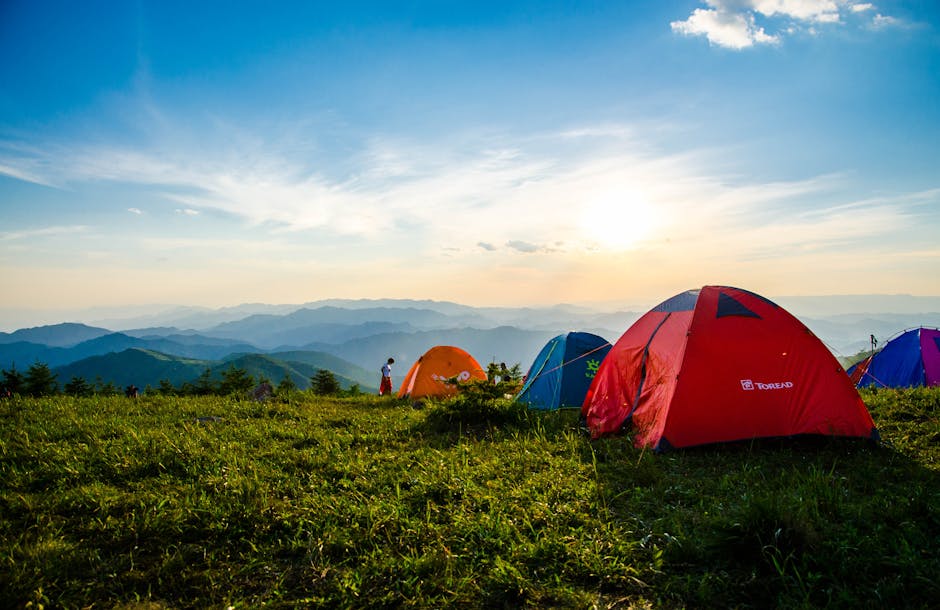
Wild camping in the UK offers something magical that no campsite can replicate. The freedom to pitch your tent under the stars, wake to untouched landscapes, and experience nature on its own terms draws thousands of adventurers each year. But getting started with wild camping can feel overwhelming when you’re navigating access laws, gear choices, and safety concerns.
Related reading: Budget Ergonomic Home Office Setup to Prevent Pain and Transform Your Workday.
You’ve seen those Instagram-worthy photos of tents perched on mountain ridges at sunrise. Maybe you’ve dreamed about escaping to remote spots where the only sounds are wind and wildlife. Then reality hits. Where exactly can you legally wild camp? What kit do you actually need? What if something goes wrong miles from civilisation?
Here’s the thing: wild camping for beginners doesn’t require superhuman navigation skills or thousands of pounds in equipment. What it does require is knowledge about the rules, respect for the environment, and preparation for the unexpected. Get those three elements right, and you’ll unlock experiences that transform how you see the British countryside.
Common Myths About Wild Camping for Beginners
Related reading: Best Beginner Hiking Trails: Your Complete Guide to Essential Gear for Walking
Myth: Wild Camping Is Illegal Everywhere in England and Wales
Reality: Wild camping operates in a legal grey area across most of England and Wales. While it’s technically trespassing on private land without permission, discrete overnight camping that leaves no trace is often tolerated, particularly in remote areas. Dartmoor National Park is the notable exception, where wild camping is permitted in certain zones. Scotland enjoys different access rights under the Scottish Outdoor Access Code, allowing wild camping on most unenclosed land.
Myth: You Need Expensive Gear to Start Wild Camping
Reality: Basic wild camping requires surprisingly little. A decent tent, sleeping bag, mat, and water purification method cover your essentials. Many beginners spend hundreds on kit they don’t need for their first few trips. Start with borrowed or budget gear, learn what matters to you, then invest in quality items that match your actual camping style.
Myth: Wild Camping Is Only for Experienced Hikers
Reality: Wild camping for beginners becomes manageable when you choose accessible spots and plan conservatively. Starting with locations close to trails, practicing in your garden first, and camping during summer months all reduce difficulty significantly. The skills develop with experience rather than being prerequisites.
Understanding UK Wild Camping Laws and Access Rights
You might also enjoy: Best Wild Swimming Spots in the UK for Beginners
Before you pitch your tent anywhere, you need to understand the legal landscape. Wild camping regulations vary dramatically depending on where in the UK you’re standing.
Scotland offers the most freedom thanks to the Land Reform (Scotland) Act 2003. You can camp on most unenclosed land as long as you follow the Scottish Outdoor Access Code. That means staying away from buildings, avoiding enclosed agricultural land, keeping groups small (typically under three tents), and never staying more than two or three nights in one spot. The Scottish Outdoor Access Code provides detailed guidance worth reading before your trip.
England and Wales present more restrictions. Dartmoor National Park stands as the only place in England where wild camping is explicitly permitted on certain commons. Even there, you must follow specific rules about distance from roads and avoiding enclosed fields. Elsewhere in England and Wales, wild camping technically constitutes trespassing on private land.
That said, discretion and respect go far. Many wild campers practice what’s called “backpack camping” in remote areas. Arrive late, leave early, stay invisible, and leave absolutely no trace. Land managers often tolerate responsible overnight camping that doesn’t damage property or disturb livestock.
National Parks across England and Wales have different approaches. Some turn a blind eye to discrete camping in certain areas, while others actively discourage it. Always check local bylaws and respect any signage.
Your safest approach involves seeking permission from landowners when possible. Many farmers and estate managers grant permission if you ask politely, explain your plans, and demonstrate environmental awareness.
Essential Gear for Your First Wild Camping Trip
Packing for wild camping means balancing weight against comfort and safety. Every item in your rucksack needs to justify its presence.
Shelter and Sleep System
Your tent choice shapes your entire wild camping experience. Look for something lightweight (ideally under 2kg for solo camping), weatherproof, and quick to pitch. Freestanding designs work better on rocky ground where you can’t easily place pegs. Three-season tents handle most UK conditions from spring through autumn.
A quality sleeping bag rated for lower temperatures than you expect prevents miserable nights. UK summer nights can drop to 5°C in upland areas, so a bag rated to 0°C provides sensible margin. Down bags pack smaller and weigh less, but synthetic fills perform better in damp conditions—a crucial consideration in British weather.
Sleeping mats deserve more attention than beginners usually give them. Insulation from cold ground matters as much as padding for comfort. Closed-cell foam mats are cheap, reliable, and indestructible. Inflatable mats offer superior comfort but risk punctures.
Navigation and Safety Equipment
Getting lost in remote areas transforms adventure into emergency quickly. Paper maps and a compass remain essential, even when you’re carrying a GPS device or smartphone. Ordnance Survey maps at 1:25,000 scale show terrain detail you need for wild camping for beginners.
Download offline maps to your phone before leaving mobile signal. Battery packs keep devices charged. A head torch with spare batteries lights your way without occupying your hands. Red light modes preserve night vision when you need to check maps after dark.
First aid kits should address common issues: blisters, cuts, twisted ankles, and insect bites. Include any personal medications plus basics like pain relievers, antihistamines, and blister treatment.
Carrying a whistle and emergency bivvy bag adds negligible weight while providing critical backup if conditions deteriorate. Six blasts on a whistle signals distress in UK mountain areas.
Cooking and Water
Lightweight camping stoves fall into two categories. Canister stoves are convenient and controllable but canisters aren’t recyclable everywhere. Meths burners cost less and use recyclable fuel but perform poorly in wind. Gas stoves work reliably in UK conditions for beginners.
Water purification matters when you’re filling bottles from streams. Water purification tablets work cheaply and simply, though they take 30 minutes to work and affect taste. Filter bottles provide instant purification and remove particulates. Boiling water for two minutes kills everything but uses fuel.
Never rely on finding water sources without checking maps first. Streams marked on maps can run dry in summer. Carrying capacity for at least two litres gives you safety margin.
Finding Legal and Suitable Wild Camping Spots
Choosing where to pitch determines whether your wild camping trip becomes a cherished memory or uncomfortable disaster.
Look for ground that’s flat enough for comfortable sleep but with slight drainage slope to avoid puddles if rain arrives. Avoid valley bottoms where cold air pools overnight—you’ll wake warmer 50 metres up the hillside. Check for obvious water runoff channels that could turn into streams during downpours.
Distance from water sources matters for environmental protection. Camping at least 100 metres from streams, lakes, and rivers prevents contamination and protects riparian habitats. That distance also reduces exposure to midges in Scotland during summer months.
Shelter from wind makes nights more pleasant and protects your tent from damage. Natural windbreaks like boulder fields, woodland edges, or hillside hollows reduce battering. Pitching with your tent’s low end facing prevailing wind minimises resistance.
Access and escape routes require thought before you’re committed. Paths for quick evacuation in emergencies, reasonable distance from your vehicle if weather turns severe, and avoiding locations where you’d be trapped by rising water all factor into site selection.
Scotland’s wilderness areas from the Cairngorms to the Northwest Highlands offer spectacular wild camping for beginners who’ve built basic navigation skills. The Lake District, while more restricted legally, has established wild camping culture in certain valleys. Snowdonia provides mountain drama with accessible approach routes. The Yorkshire Dales and Peak District reward discrete campers who know where to look.
Online resources like wild camping forums share location ideas, though specific coordinates remain deliberately vague to prevent over-use. Building navigation skills to find your own spots becomes part of the satisfaction.
Your Five-Day Wild Camping Starter Plan
Building confidence happens gradually. This progression takes you from garden practice to genuine wilderness.
- Day 1-2: Pitch your tent in your garden or a friend’s outdoor space. Practice setup and pack-down until you can manage both in under 10 minutes. Sleep overnight to test your sleeping bag’s warmth rating and identify any comfort issues with your mat. Cook a simple meal using your camping stove to familiarise yourself with its operation.
- Day 3: Research and map three potential wild camping locations that match your fitness level and navigation ability. Study approach routes, water sources, escape routes, and legal considerations. Check weather forecasts and understand how conditions affect each location. Download offline maps and mark waypoints.
- Day 4: Complete a day hike to your chosen location without overnight gear. This reconnaissance mission confirms route feasibility, checks water availability, identifies exact pitch sites, and builds confidence in your navigation. Note how long the approach takes when you’re fresh—add 30% time when carrying full camping kit.
- Day 5: Execute your first actual wild camping trip on a settled weather day. Arrive at your chosen spot with at least two hours of daylight remaining. Pitch quickly, secure all guy lines, prepare dinner before darkness falls, and enjoy the experience. Following morning, practice Leave No Trace principles thoroughly before departing.
Some people prefer starting with an overnight at an established campsite using wild camping gear. This builds handling skills without navigation pressure or legal ambiguity.
Leave No Trace Principles for Responsible Wild Camping
Environmental stewardship separates ethical wild camping for beginners from destructive behaviour that ruins access for everyone.
Plan ahead to minimise impact. Understanding regulations, choosing durable surfaces for your pitch, and visiting during low-use periods all reduce your footprint. Smaller groups cause less damage than large gatherings.
Dispose of waste properly means what it says. Pack out everything you pack in, including toilet paper. Bury human waste in catholes 15-20cm deep, at least 100 metres from water sources. Scatter leaves back over the hole. Many wild campers carry waste bags for paper and pack everything out.
Leave what you find maintains natural and cultural heritage. Avoid building structures, damaging vegetation, or moving rocks. That perfect camping rock pile someone built? Dismantle it. Natural landscapes shouldn’t bear permanent marks of your visit.
Minimise campfire impact translates to “don’t have fires” in UK wild camping. Wildfire risk, vegetation damage, and scar creation outweigh any romantic appeal. Use your stove for cooking. Carry warm layers for evening comfort.
Respect wildlife by observing from distance and never feeding animals. Store food securely. Avoid camping near nesting sites during breeding season. Keep noise levels down, especially after dark when wildlife is most active.
Be considerate of other visitors. Camp away from trails and other campers. Keep noise minimal. Avoid bright lights that destroy night vision and tranquility for others.
The Leave No Trace principles provide detailed guidance worth studying before your trip. Following these practices protects wild places and maintains access rights.
Weather Wisdom and Safety Considerations
British weather punishes the unprepared. Conditions change rapidly, especially in upland areas where most wild camping happens.
Check detailed mountain forecasts before departure and understand how to read weather patterns. The Met Office provides specific mountain area forecasts. Learning to read clouds and wind changes helps you anticipate conditions on the ground.
Temperature drops roughly 1°C per 150 metres of elevation gain. Summit temperatures can be 10°C colder than valleys. Wind chill makes conditions feel even colder. That pleasant 15°C valley afternoon becomes a 5°C exposed ridge evening with 30mph winds creating sub-zero wind chill.
Hypothermia risks increase when you combine cold, wind, and wet conditions. Early symptoms include shivering, confusion, and clumsiness. Prevention through proper clothing layers works better than treatment. Carry spare dry layers in waterproof bags.
Lightning safety matters during summer thunderstorms. Avoid ridge lines, isolated trees, and tent poles that might attract strikes. If caught in storms, crouch low with minimal ground contact until danger passes.
Communication devices provide emergency backup. Mobile signal reaches many UK upland areas, but carry offline maps and don’t rely entirely on phone connectivity. Some serious hillwalkers carry personal locator beacons for genuine emergencies.
Tell someone your plans before leaving. Provide specific location details, expected return time, and what they should do if you don’t check in. This basic precaution enables rescue services to find you quickly if needed.
Mistakes to Avoid (And How to Fix Them)
Mistake 1: Overpacking “Just in Case” Items
Why it’s a problem: Carrying excessive weight exhausts you on approach hikes, reduces enjoyment, and often leads to abandoning wild camping entirely. Beginners frequently pack duplicate items, excessive clothing, or gear for unlikely scenarios.
What to do instead: Create a detailed packing list and ruthlessly question each item’s necessity. Wear one set of clothes, carry one spare. Multi-use items reduce pack weight—your sleeping mat doubles as a seat, your buff serves as hat, face covering, or towel. Weigh your packed rucksack; aim for under 12kg for weekend trips.
Mistake 2: Camping Too Close to Popular Trails
Why it’s a problem: Visible camping attracts unwanted attention from rangers, other hikers, and occasionally less-than-friendly locals. You’ll also sacrifice the solitude that makes wild camping worthwhile. High-traffic camping zones show visible damage from overuse.
What to do instead: Walk an extra 30 minutes beyond obvious spots. Use navigation skills to find discrete pitches away from main trails. Natural features like boulder fields or woodland groves provide concealment. Camp becomes truly “wild” when you can’t see or hear other people.
Mistake 3: Arriving at Your Pitch in Darkness
Why it’s a problem: Pitching tents in darkness invites mistakes, makes finding suitable ground impossible, and increases injury risk from unseen hazards. You’ll miss seeing the landscape that drew you there.
What to do instead: Plan arrival at least two hours before sunset, adding 30% to your estimated hiking time for real-world conditions. This buffer provides time to adjust plans if your chosen spot proves unsuitable, allows proper tent pitching, and gives you opportunity to enjoy evening light on the landscape.
Mistake 4: Ignoring Weather Forecasts
Why it’s a problem: UK weather kills unprepared campers every year. Sudden storms, temperature drops, and high winds transform comfortable spots into dangerous situations. Pride or optimism bias leads people to ignore warning signs.
What to do instead: Check forecasts up to departure and have clear thresholds for cancelling trips. Wind speeds above 40mph make pitching difficult and sleeping impossible. Heavy rain warnings mean flooding risk in low spots. Cold snaps require additional insulation. Cancelling shows wisdom, not weakness.
Mistake 5: Forgetting Water Purification
Why it’s a problem: British streams aren’t as pristine as they look. Livestock upstream, wildlife, and agricultural runoff introduce bacteria, parasites, and chemicals. Waterborne illness ruins trips and can cause serious health problems lasting weeks.
What to do instead: Always treat water from natural sources unless you’re absolutely certain of its purity. Boiling for two minutes kills everything. Purification tablets work reliably if you follow instructions and wait required contact time. Filter systems provide instant clean water. Carry enough capacity to reach your next definite water source.
Building Skills Through Progressive Experience
Wild camping for beginners improves through incremental challenge rather than diving into extreme situations.
Start with summer camping when long daylight hours, warmer temperatures, and settled weather reduce risks. Scotland’s midges peak in July and August, so consider June or September for Highland trips. English and Welsh uplands offer pleasant conditions May through September.
Progress from easy-access locations near roads or carparks to more remote spots requiring navigation skills. Build confidence in your abilities before committing to locations where retreat becomes difficult.
Three-season camping develops proficiency before attempting winter conditions. Winter wild camping demands specialised gear, advanced skills, and experience reading mountain conditions. Snow, ice, extreme cold, and short daylight hours multiply risks substantially.
Navigation skills improve through practice. Start with clear trail days, progress to off-trail hiking in good visibility, then develop confidence for poor visibility navigation using compass bearings and timing. Consider joining a navigation course offered by mountaineering organisations.
Weather pattern recognition develops over multiple trips. You’ll learn how cloud formations predict rain, how wind direction affects local conditions, and how your body responds to cold, wet, or hot environments.
Gear knowledge comes from using equipment in various conditions. You’ll discover which items prove essential, what can be left home, and where spending more money delivers genuine value.
Your Wild Camping Quick Reference
- Check access laws for your specific location before assuming wild camping is permitted
- Arrive at your pitch site with minimum two hours of daylight remaining
- Camp at least 100 metres from water sources to protect ecosystems and avoid midges
- Pack out absolutely everything you bring in, including toilet paper and food waste
- Tell someone your detailed plans and expected return time before departing
- Study weather forecasts and have clear cancellation criteria you’ll actually follow
- Practice tent pitching and stove operation at home before your first real trip
- Carry paper maps, compass, and offline digital maps for reliable navigation
Frequently Asked Questions
How Much Does Wild Camping Gear Cost for Complete Beginners?
Basic wild camping gear starts around £200-300 for budget-conscious beginners. A decent tent (£80-120), sleeping bag (£50-80), sleeping mat (£20-40), rucksack (£30-50), and stove with accessories (£20-30) cover essentials. Many outdoor shops offer package deals. Consider borrowing gear or buying second-hand for initial trips until you know what features matter to you. Quality items last decades when cared for properly, making the investment worthwhile once you’re committed.
Is Wild Camping Safe for Solo Beginners?
Solo wild camping carries manageable risks when you prepare properly and build experience gradually. Start with easily accessible locations, tell someone your detailed plans, carry emergency communication devices, and choose settled weather conditions. Many campers prefer solo trips for the peace and self-reliance they develop. That said, first-time wild camping often goes more smoothly with experienced companions who can share navigation responsibilities and provide backup if problems arise. Trust your instincts about personal safety.
When Is the Best Time of Year for Wild Camping in the UK?
May through September offers optimal conditions for wild camping beginners across most of the UK. Daylight hours extend your usable time, temperatures stay moderate, and weather patterns generally prove more settled. June provides long days and decent weather before midge season peaks in Scotland. September brings autumn colours, fewer midges, and still-reasonable temperatures. Avoid attempting your first wild camping trips during winter months when short days, extreme cold, and severe weather multiply difficulties substantially.
What Should I Do About Toilet Facilities When Wild Camping?
Dig a cathole 15-20cm deep and at least 100 metres from water sources, paths, and camping areas. After use, fill the hole completely and disguise it with natural materials. Pack out toilet paper in sealed bags rather than burying it, as decomposition takes months and animals often dig up buried paper. Some wild campers carry lightweight folding trowels specifically for digging catholes. Hand sanitiser maintains hygiene when water is scarce. The approach feels uncomfortable initially but becomes routine quickly.
How Do I Deal With Condensation Inside My Tent?
Condensation forms when warm, humid air inside your tent meets cold tent fabric. Maximise ventilation by keeping vents open and doors partially unzipped when weather permits. Avoid cooking inside your tent, as it adds huge amounts of moisture. Wipe condensation off tent walls each morning before packing to prevent soaking your gear. Single-skin tents suffer worse condensation than double-skin designs with separate inner and outer layers. Accepting some condensation as normal helps—it’s physics, not equipment failure.
Can I Wild Camp If I’m Not Super Fit?
Absolutely. Wild camping for beginners doesn’t require marathon fitness levels if you choose accessible locations close to roads or with gentle approach walks. Scotland offers numerous roadside parking spots with legal wild camping within 10-15 minutes walk. Many Lake District valleys have camping locations under an hour from carparks. Start with easy terrain, pack light, and walk at your own pace. The point is experiencing nature and building skills, not setting speed records or testing endurance limits.
Taking Your First Wild Camping Steps
Wild camping opens doors to landscapes and experiences that remain hidden from day visitors and campsite tourists. Standing alone on a hillside watching sunset colours shift across valleys, waking to mist lifting off mountain peaks, brewing morning coffee while ptarmigan call nearby—these moments justify every ounce of gear you carried.
Start small. Pick an accessible location with good escape routes. Check the weather. Pack carefully. Tell someone where you’re going. Follow Leave No Trace principles rigorously. Build your confidence through success rather than testing yourself to failure.
The skills you develop through wild camping for beginners extend far beyond knowing how to pitch a tent. You’ll become self-reliant, weather-aware, and comfortable with uncertainty. Navigation improves. Decision-making sharpens. Connection with natural rhythms deepens.
Your first trip won’t be perfect. Something will go wrong, feel uncomfortable, or work differently than planned. That’s normal. Each trip teaches lessons that make the next one smoother.
Stop planning and start doing. Pick a date in the next month. Choose your location. Pack your gear. Go experience what wild camping offers. The hills are waiting.


