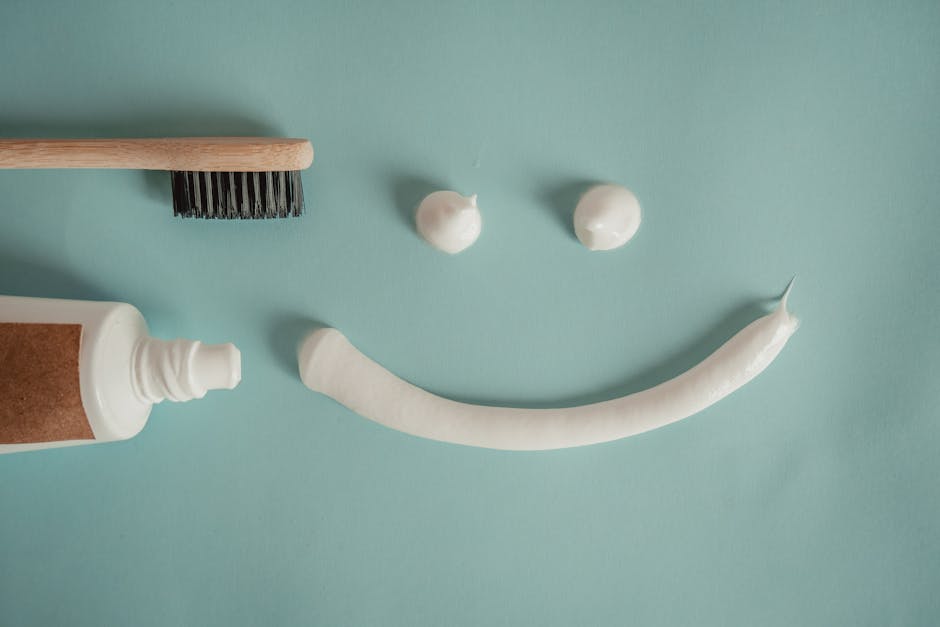
Think about the last time you ran out of shower gel and grabbed another plastic bottle from the shelf. Then toothpaste in a tube. Shampoo in another bottle. Razors wrapped in more plastic. Before you know it, your bathroom bin is overflowing with packaging that’ll outlive your grandchildren. Zero waste bathroom swaps aren’t just trendy environmental gestures – they’re practical changes that genuinely reduce plastic waste whilst often saving you money.
Picture this scenario: You’re standing in your bathroom, looking at the collection of half-empty bottles lining your shower. Each one represents not just a purchase, but a piece of plastic that’ll sit in a landfill for centuries. Most UK households generate approximately 4kg of bathroom plastic waste annually, according to research from WRAP. That’s roughly 100kg over an average lifetime. Per person. Now multiply that by everyone in your home, your street, your town.
Related reading: Easy Plastic Free Swaps to Reduce Waste at Home
Common Myths About Zero Waste Bathroom Swaps
Myth: Zero waste alternatives are expensive and only for wealthy eco-warriors
Reality: Many zero waste bathroom swaps actually cost less over time. A bamboo toothbrush costs around the same as a plastic one. Bar soap lasts longer than liquid soap in plastic bottles. Reusable cotton rounds eliminate the need for buying disposable cotton pads every few weeks. The initial investment might seem higher for some items, but the cost per use typically works out cheaper because these products last longer.
Myth: Zero waste products don’t work as well as conventional ones
Reality: Performance has nothing to do with packaging. Shampoo bars from quality makers clean hair just as effectively as bottled versions. Safety razors provide closer shaves than disposable plastic razors. Bamboo cotton buds work identically to plastic-stemmed ones. The difference is in what happens after you’re done using them, not during.
Myth: You need to overhaul your entire bathroom overnight
Reality: Starting with zero waste bathroom swaps works best when done gradually. Replace items as you run out, not before. Throwing away perfectly good products to buy “eco-friendly” replacements defeats the entire purpose. Sustainability is about using what you have fully, then making better choices next time.
Essential Zero Waste Bathroom Swaps to Start Today
Making the switch to reduce plastic waste doesn’t require a complete bathroom makeover. Focus on the areas where you use products most frequently and where plastic waste accumulates fastest.
Solid Soap Instead of Liquid Bottles
Bar soap might seem old-fashioned, but it’s experiencing a renaissance for good reason. A single bar lasts as long as three bottles of liquid soap, contains no plastic packaging, and works brilliantly for hands, body, and even face if you choose the right formulation.
Look for soap bars wrapped in paper or cardboard rather than plastic film. Many UK makers now create moisturizing bars that don’t leave your skin feeling stripped. Cold-process soaps with natural oils work particularly well for dry British winter skin.
The average UK household gets through about 12 bottles of hand soap annually. Switching to bar soap eliminates that plastic waste entirely whilst costing roughly half as much.
Shampoo and Conditioner Bars
Shampoo bars take some getting used to, but once you master the technique, they’re game-changing zero waste bathroom swaps. One bar typically replaces three plastic bottles of liquid shampoo.
Here’s what works: wet your hair thoroughly, rub the bar directly onto your scalp, then work the lather through your hair. The first wash might feel different because bar shampoos don’t contain the silicones that make conventional shampoos feel slippery.
Conditioner bars work similarly. Some people find a diluted apple cider vinegar rinse works better for detangling, which also reduces plastic waste from conditioner bottles.
Store your bars in a soap dish with drainage holes so they dry between uses. This prevents them from becoming mushy and extends their life considerably.
Bamboo or Wooden Toothbrushes
Every plastic toothbrush you’ve ever used still exists somewhere. Dentists recommend replacing toothbrushes every three months, which means the average person uses about 300 plastic toothbrushes in their lifetime.
Bamboo toothbrushes function identically to plastic ones. The bristles still need replacing every three months, but the handle can be composted (after removing the bristles) rather than sitting in landfill for 400 years.
Some bamboo toothbrushes now come with plant-based bristles rather than nylon, making them fully compostable. Check the packaging carefully, as not all bamboo brushes have compostable bristles.
These zero waste bathroom swaps typically cost the same as mid-range plastic toothbrushes, making them an easy switch that reduces plastic waste without impacting your budget.
Safety Razors for Plastic-Free Shaving
Disposable razors and cartridge refills create mountains of plastic waste. According to the BBC’s investigation into bathroom waste, approximately 2 billion razors end up in UK landfills annually.
Safety razors look intimidating but are actually straightforward once you learn the technique. They provide closer shaves because the single blade cuts hair cleanly rather than tugging like multi-blade cartridges do.
A quality safety razor costs more upfront (typically £20-40), but replacement blades cost pennies. Where a pack of four cartridge refills might cost £12, you can buy 100 safety razor blades for the same price.
Take your time initially. Use short strokes, let the weight of the razor do the work, and avoid pressing down. Most people nick themselves once whilst learning, then never again.
Plastic-Free Personal Care Products That Actually Work
You may also enjoy: How to Start Living Zero Waste on a Budget
Beyond the basics, several other bathroom products generate significant plastic waste. These zero waste bathroom swaps address the less obvious culprits.
Solid Deodorant Bars or Refillable Options
Deodorant sticks come in plastic cases that aren’t easily recyclable due to multiple material types bonded together. Solid deodorant bars packaged in cardboard eliminate this waste entirely.
Natural deodorants work differently from antiperspirants. They prevent odor rather than stopping sweating. Your body needs to adjust for about two weeks, during which you might feel like nothing’s working. Push through this transition period.
Some companies now offer refillable deodorant cases where you buy the reusable case once, then purchase refills in compostable packaging. This reduces plastic waste whilst maintaining the convenience of stick deodorant.
Reusable Cotton Rounds and Makeup Removers
Disposable cotton pads seem harmless, but they add up quickly. Someone using two cotton rounds daily gets through roughly 730 per year, each wrapped in plastic packaging.
Reusable cotton rounds made from organic cotton or bamboo fleece work just as well for removing makeup, applying toner, or cleansing. Toss them in a mesh laundry bag and wash with your regular laundry.
A set of 20 reusable rounds costs about what you’d spend on disposable cotton pads in three months, but lasts for years. They’re softer than disposables and more effective at removing stubborn makeup.
For makeup removal specifically, microfiber cloths designed for faces remove even waterproof mascara with just water. No cotton rounds needed at all.
Toothpaste Tablets or Powder
Toothpaste tubes are difficult to recycle because they’re made from mixed materials. Some UK councils now accept them in recycling, but most still don’t.
Toothpaste tablets look peculiar at first. You chew one until it becomes paste, then brush normally. They contain the same cleaning agents as conventional toothpaste, including fluoride in most brands.
The texture takes getting used to, but functionally they work identically. They come in glass jars or compostable pouches, eliminating plastic tube waste completely.
Tooth powder offers another alternative. Mix a small amount with water on your brush to create paste. Both options travel brilliantly since they’re not liquids.
Your 30-Day Zero Waste Bathroom Transition Plan
Rushing into zero waste bathroom swaps often leads to frustration and abandoned products. This gradual approach helps you adjust whilst steadily reducing plastic waste.
- Days 1-7: Take inventory of what you actually use. Write down which products you reach for daily versus those collecting dust. Focus your zero waste bathroom swaps on high-use items first.
- Days 8-14: Research alternatives for your most-used products. Read reviews from people with similar hair types, skin sensitivities, or needs. Order samples when available before committing to full-size products.
- Days 15-21: Make your first swap when you run out of something. Start with the easiest change, like replacing plastic cotton buds with bamboo ones or switching to bar soap.
- Days 22-28: Evaluate how the first swap is working. Troubleshoot any issues before making additional changes. Give new products at least two weeks before deciding they don’t work.
- Days 29-30: Plan your next swap. Once the first change feels normal, you’re ready to tackle another. Pace yourself based on what feels manageable, not what social media suggests you should do.
Remember that these zero waste bathroom swaps work best when implemented gradually. You’re building new habits, which takes time and patience.
Mistakes to Avoid When Making Zero Waste Bathroom Swaps
Mistake 1: Throwing away perfectly good products to go zero waste
Why it’s a problem: Creating waste to prevent future waste makes no sense. Those plastic bottles you throw away still end up in landfill, and you’ve wasted the product inside plus the resources used to make it.
What to do instead: Use everything completely before replacing it. Donate unopened products to shelters or food banks. Give barely-used items to friends or family. Start your zero waste bathroom swaps only when you genuinely need to replace something.
Mistake 2: Buying every zero waste product you see online
Why it’s a problem: Overconsumption disguised as environmentalism is still overconsumption. Buying 15 different types of shampoo bars “to try them” defeats the purpose of reducing plastic waste.
What to do instead: Research thoroughly before purchasing. Look for brands offering sample sizes or money-back guarantees. Buy one, use it completely, then assess whether it worked before trying alternatives.
Mistake 3: Expecting perfection immediately
Why it’s a problem: Products feel different when you switch from conventional to zero waste alternatives. Shampoo bars don’t lather the same way. Safety razors require different techniques. Giving up after one use means missing out on benefits that appear after the adjustment period.
What to do instead: Commit to trying new zero waste bathroom swaps for at least two weeks. Watch tutorials for products requiring technique changes. Be patient with yourself and the products during the transition.
Mistake 4: Storing products incorrectly
Why it’s a problem: Solid products need proper drainage to prevent them becoming mushy. Bars left sitting in water don’t last and create frustration, making people abandon zero waste bathroom swaps prematurely.
What to do instead: Use soap dishes with drainage holes or raised ridges. Keep shampoo and conditioner bars in tins with holes or on wooden soap holders. Store items away from direct shower spray when not in use.
Money-Saving Benefits of Zero Waste Bathroom Swaps
Reducing plastic waste often coincides with reducing spending. Here’s how zero waste bathroom swaps impact your budget over time.
Bar soap costs approximately £3 and lasts three months for one person. Liquid hand soap costs about £2 per bottle and lasts one month. Over a year, bar soap costs £12 versus £24 for liquid soap. Multiply that by everyone in your household.
Safety razors demonstrate even more dramatic savings. Cartridge refills cost roughly £3 per cartridge, and most people use one per month. That’s £36 annually. Safety razor blades cost about £10 for 100 blades, which is nearly a decade’s worth. After recouping the initial razor cost in one year, you save substantially.
Shampoo bars typically cost £6-8 and replace three bottles of liquid shampoo (about £15 total). Research from WRAP indicates that UK households could save approximately £180 annually by switching high-use bathroom items to zero waste alternatives.
These zero waste bathroom swaps pay for themselves whilst reducing plastic waste. It’s rare to find environmental choices that genuinely save money, making these changes particularly appealing.
Calculating Your Potential Savings
Track what you currently spend on bathroom products for one month. List each item: shampoo, conditioner, soap, razors, cotton pads, toothbrushes, deodorant, toothpaste.
Compare those costs to zero waste alternatives. Factor in how long each alternative lasts. Calculate annual costs for both conventional and zero waste options.
Most people discover they’ll save money within six months of making these swaps, even accounting for higher upfront costs on items like safety razors.
UK-Specific Challenges and Solutions for Zero Waste Bathrooms
Making zero waste bathroom swaps in the UK presents unique considerations compared to other countries.
Hard Water and Solid Hair Care
Most UK regions have hard water, which affects how shampoo bars perform. Hard water prevents soap from lathering properly and can leave residue on hair.
Combat this by using an apple cider vinegar rinse after shampooing. Mix one tablespoon of vinegar with a cup of water, pour through hair after rinsing out shampoo, then rinse again with water. This removes mineral buildup and leaves hair soft.
Alternatively, look for shampoo bars specifically formulated for hard water. Many UK makers now create formulations designed for local water conditions.
Cold, Damp Bathrooms
British homes often have cooler, damper bathrooms than properties elsewhere. This affects how solid products dry and store.
Ensure excellent drainage for all your zero waste bathroom swaps. Consider keeping products in a nearby cupboard between uses rather than constantly in the humid bathroom environment. Wooden or bamboo soap dishes work better than plastic ones because they naturally resist moisture damage.
Finding Products Locally
Major UK supermarkets now stock increasing ranges of plastic-free bathroom products. Tesco, Sainsbury’s, and Waitrose all carry bamboo toothbrushes, bar soaps, and some solid hair care options.
Independent zero waste shops exist in most UK cities, offering bulk refills and plastic-free alternatives. Package-free shopping sections are expanding in mainstream retailers.
Online UK retailers specializing in zero waste products provide options for those without local access. Look for companies offering recyclable or compostable shipping materials to maintain consistency with your plastic waste reduction goals.
Save This: Your Zero Waste Bathroom Essentials Checklist
- Replace liquid soaps with bar versions stored on drainage-friendly dishes
- Switch plastic toothbrushes to bamboo alternatives when current ones need replacing
- Try shampoo and conditioner bars for your hair type, giving them two weeks to adjust
- Invest in one quality safety razor rather than continuing with disposable razors
- Purchase reusable cotton rounds and a mesh laundry bag for washing them
- Transition to solid deodorant bars or refillable options in cardboard packaging
- Explore toothpaste tablets or powder alternatives to eliminate tube waste
- Keep an apple cider vinegar rinse on hand for hard water issues
Beyond Basic Swaps: Advanced Zero Waste Bathroom Changes
Once you’ve mastered essential zero waste bathroom swaps, consider these additional changes to further reduce plastic waste.
Menstrual Products
Conventional period products generate significant plastic waste. A person who menstruates uses approximately 11,000 disposable products in their lifetime, most containing plastic.
Menstrual cups, period underwear, and reusable cloth pads eliminate this waste. Initial costs are higher, but these products last years. According to NHS guidance on sustainable period products, reusable options are safe and effective when cleaned properly.
Each option suits different lifestyles. Cups work well for active people and travel. Period underwear provides backup protection or full coverage for lighter days. Cloth pads feel most similar to disposables.
Toilet Paper Alternatives
This feels like a big step for most people, but bidet attachments or washlets significantly reduce toilet paper consumption. They’re common in many countries and becoming more available in the UK.
Basic bidet attachments cost less than you’d expect and install easily on most UK toilets without plumbing modifications. They reduce toilet paper use by approximately 75%, though most people still use small amounts for drying.
Alternatively, switch to recycled toilet paper wrapped in paper rather than plastic. Some UK companies now deliver plastic-free toilet paper in bulk.
Cleaning Products
Bathroom cleaners in spray bottles add to plastic waste. Concentrate refills, solid cleaning blocks, or making your own solutions reduce packaging dramatically.
Vinegar and bicarbonate of soda clean most bathroom surfaces effectively. Buy these in bulk with minimal packaging, dilute as needed, and store in reusable spray bottles.
Several UK companies now sell concentrated cleaning tablets that dissolve in water, packaged in compostable materials. One tablet in a reusable bottle replaces multiple plastic bottles of conventional cleaner.
Your Zero Waste Bathroom Questions Answered
How long does it take to transition to zero waste bathroom swaps completely?
Most people take 6-12 months to fully transition because you should only replace products as they run out. Rushing creates waste and costs more money. Focus on replacing high-use items first, then tackle less frequently used products. Some people never achieve 100% zero waste, and that’s perfectly acceptable. Progress matters more than perfection.
Are zero waste bathroom products safe for sensitive skin?
Many zero waste bathroom swaps actually work better for sensitive skin because they contain fewer synthetic ingredients and preservatives. However, natural doesn’t automatically mean hypoallergenic. Check ingredients carefully. Start with unscented options if you have sensitivities. Patch test new products before using them on your face or all over your body. Some people with sensitive skin find bar soaps and shampoos gentler than conventional liquid versions.
What do I do if my family members won’t switch to zero waste products?
Lead by example rather than pressuring others. Keep your zero waste bathroom swaps separate initially. When family members notice your products working well or lasting longer, they often become curious. Offer to let them try your products without judgment if they refuse. Focus on the benefits beyond environmentalism, like cost savings or better performance. Change happens gradually, and forcing it typically backfires.
Can I recycle the packaging from zero waste products?
Proper zero waste bathroom swaps should come in compostable, recyclable, or reusable packaging. Cardboard boxes and paper wrapping go in your recycling bin. Glass containers can be washed and reused or recycled. Metal tins are recyclable. Compostable packaging made from plant materials goes in your food waste bin if your council accepts compostable packaging, otherwise home compost it. Avoid products claiming to be “eco-friendly” but still wrapped in plastic.
Do zero waste bathroom swaps work as well for washing long hair?
Shampoo bars work excellently for long hair once you learn proper technique. Rub the bar directly on your scalp rather than trying to create lather in your hands first. Focus on cleaning your scalp, and the length of your hair will get clean as you rinse. Use a conditioning bar or diluted apple cider vinegar rinse to prevent tangles. Many people with long hair report their hair feels healthier after switching because bars don’t contain the silicones that cause buildup over time.
Making Zero Waste Bathroom Swaps Stick Long-Term
Short-term enthusiasm fades quickly. These strategies help maintain your commitment to reducing plastic waste.
Track the plastic bottles you’ve avoided buying. Seeing tangible numbers reinforces your progress. If you’ve prevented 20 shampoo bottles from entering the waste stream in one year, that’s meaningful impact.
Connect with others making similar changes. Online UK zero waste communities offer support, troubleshooting advice, and product recommendations. Feeling part of a movement maintains motivation when enthusiasm wanes.
Remember that occasional relapses don’t negate your overall progress. Travel might necessitate buying a plastic bottle. Forgetting your reusables happens. Don’t let single incidents derail your commitment to these zero waste bathroom swaps.
Celebrate milestones. When you finish your first shampoo bar, acknowledge that achievement. When your safety razor pays for itself, recognize the financial benefit alongside the environmental one.
Focus on the positive aspects beyond environmentalism. Better skin from gentler products. More money in your account. Less clutter under your sink. These immediate benefits sustain long-term behavior change better than abstract environmental goals.
You’ve got everything needed to start reducing plastic waste in your bathroom today. Choose one swap from this article. Just one. Order it, commit to using it properly for two weeks, and see what happens. Six months from now, you’ll either wish you’d started today or you’ll be glad you did. Your bathroom bin tells the story of your choices. Make them count.


