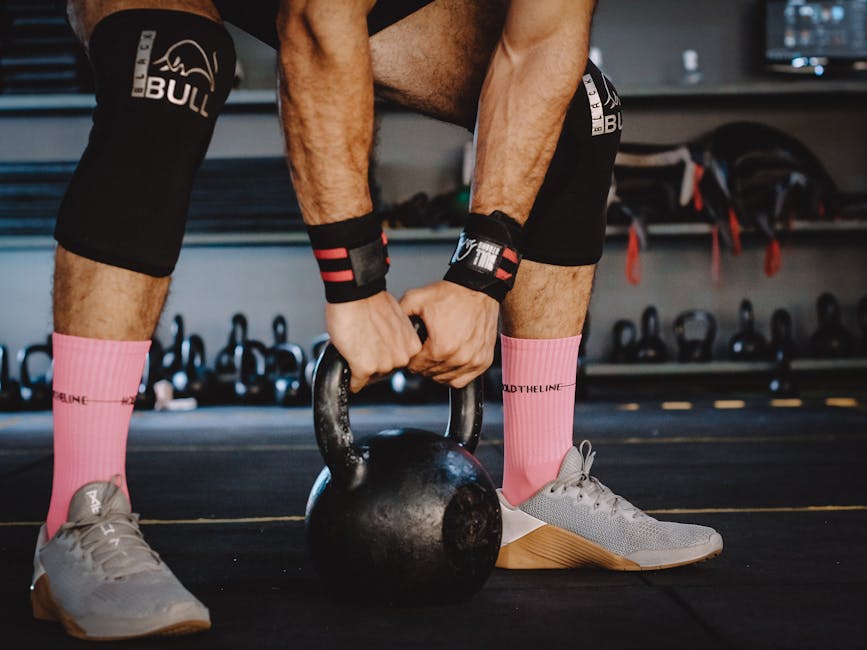
Ever walked past the kettlebell section at the gym and thought they looked intimidating? Those cannonballs with handles might seem scary, but kettlebell training for beginners is actually one of the most efficient ways to build full body strength. You can work every major muscle group in 20 minutes, burn serious calories, and develop functional fitness that translates to everyday life.
Picture this: You’re tired of machines that isolate one muscle at a time. Your workout takes forever, and you’re not seeing the results you want. Meanwhile, someone’s swinging a kettlebell nearby, getting their entire workout done in half the time. What’s the secret? Kettlebells force multiple muscle groups to work together, exactly how your body moves in real life. That’s the magic of compound movements.
Common Myths About Kettlebell Training for Beginners
Related reading: Core Training: The Complete Guide to Building a Stronger, More Functional Midsection
Let’s clear up some misconceptions before you get started.
Myth: Kettlebells Are Only for Advanced Athletes
Reality: Kettlebell training for beginners actually works brilliantly because the movements are natural and intuitive. Studies from the University of Wisconsin found that beginners who learned proper form saw significant strength gains within just four weeks. The key isn’t experience, it’s choosing the right weight and learning foundational movements first.
Myth: You Need a Whole Set of Different Weights
Reality: One or two kettlebells will serve you for months. Women typically start with 8-12kg, men with 12-16kg. That single weight can challenge your entire body through different movement patterns. As you progress, adding just one heavier bell gives you plenty of variety for continued full body strength development.
Myth: Kettlebell Workouts Will Make You Bulky
Reality: Kettlebell training builds lean, functional muscle and torches body fat. The combination of strength and cardiovascular conditioning creates a toned, athletic physique rather than bulk. Research published in the Journal of Strength and Conditioning Research showed participants lost body fat while gaining strength, without adding significant size.
Why Kettlebell Training for Beginners Works So Well
You might also enjoy: Park Bench Workout Routine: Build Full Body Strength Outdoors in 30 Minutes.
What makes kettlebells special compared to dumbbells or machines? The off-centre weight distribution changes everything.
When you swing a kettlebell, your body needs to stabilise constantly. Your core works overtime. Your grip strength develops naturally. According to NHS guidelines on strength training, adults should do muscle-strengthening activities at least twice weekly, and kettlebells deliver exactly that while also meeting cardio recommendations.
Traditional weight training isolates muscles. Kettlebell movements integrate them. Think about picking up a heavy shopping bag from the floor. You’re not using just your bicep or just your legs. Everything works together. That’s functional fitness.
Full body strength from kettlebells means stronger shoulders, powerful legs, a resilient back, and a rock-solid core. All from movements that actually make sense for how you move daily.
The Time-Efficiency Factor
Busy schedule? Kettlebell training for beginners requires minimal time investment. A proper 20-minute session can replace an hour of traditional gym work. You’re moving constantly, challenging your cardiovascular system while building strength simultaneously.
Research from the American Council on Exercise found that kettlebell workouts can burn up to 20 calories per minute. That’s comparable to running a six-minute mile, except you’re also building muscle and improving coordination.
Space and Equipment Simplicity
No gym membership needed. A single kettlebell takes up less space than a pair of trainers. Your living room becomes your training ground. Thousands of UK residents discovered this during lockdowns and never looked back.
Starting with something like a single cast iron kettlebell with a comfortable handle gives you everything needed for months of progressive training. Look for one with a smooth handle that won’t shred your hands and a flat base that won’t roll away.
Essential Kettlebell Movements for Full Body Strength
Master these five foundational exercises and you’ve got everything needed for complete kettlebell training as a beginner.
The Kettlebell Swing: Your Foundation
This is the king of kettlebell exercises. Swings work your glutes, hamstrings, core, back, and shoulders in one fluid movement. The explosive hip drive develops power that transfers to every other activity.
Here’s what proper form looks like: Stand with feet shoulder-width apart, kettlebell on the floor slightly in front of you. Hinge at your hips (not your back), grab the handle with both hands, and swing the kettlebell back between your legs. Then explosively drive your hips forward, letting the kettlebell float to chest height. The power comes from your hips, not your arms.
Common mistake? Using your arms to lift the weight. Your arms are just ropes. Hip thrust creates the momentum.
The Goblet Squat: Build Lower Body Power
Hold the kettlebell by the horns (the sides of the handle) at chest height. Squat down, keeping your chest up and elbows inside your knees. This builds leg strength while teaching proper squat mechanics.
Goblet squats for kettlebell training give beginners immediate feedback. If you lean forward too much, you’ll feel it instantly. The weight position encourages perfect form naturally.
The Turkish Get-Up: Total Body Integration
Sounds exotic, works magnificently. Lie on your back holding the kettlebell with one arm straight up. Stand up while keeping that arm extended overhead. Then reverse the process back down.
This single movement develops shoulder stability, core strength, and coordination like nothing else. Break it into steps initially. Rush nothing. Quality over speed.
The Kettlebell Row: Upper Body Pulling Strength
Hinge forward, one hand supported on a bench or chair. Row the kettlebell up toward your hip, keeping your elbow close to your body. This builds back strength and balances out all the pushing movements in daily life.
Full body strength requires balanced development. Rows prevent the rounded shoulders that come from desk work and protect your back during other kettlebell movements.
The Kettlebell Press: Build Shoulder Strength
Clean the kettlebell to your shoulder (a movement worth learning separately), then press it overhead. Keep your core tight and avoid leaning back. Lower with control and repeat.
Overhead pressing develops shoulder strength crucial for everything from putting luggage in overhead compartments to reaching high shelves without strain.
Your First Four Weeks: A Practical Kettlebell Training Plan for Beginners
Theory means nothing without action. Here’s your specific roadmap to building full body strength with kettlebells.
Week 1: Learn the Movements
- Day 1: Practice the hip hinge pattern without weight for 10 minutes. Stand facing a wall, toes touching it. Bend at your hips without your knees hitting the wall. This teaches the foundation of proper kettlebell swings.
- Day 2: Master the goblet squat with just bodyweight. Complete 3 sets of 8 reps, focusing entirely on form. Record yourself if possible to check your technique.
- Day 3: Begin kettlebell swings with light weight. Start with sets of 10 swings, rest for one minute, repeat for 5 sets total. Quality over quantity every single time.
- Day 4: Add goblet squats with the kettlebell. Complete 3 sets of 8 reps. Rest two minutes between sets initially.
Week 2: Build Your Foundation
- Monday: Kettlebell swings (10 sets of 10 reps, resting 45 seconds between sets), goblet squats (3 sets of 10 reps). Total workout time: 20 minutes.
- Wednesday: Introduce single-arm rows. Complete 3 sets of 8 reps per arm, then finish with 5 sets of 10 swings.
- Friday: Combine goblet squats (4 sets of 10), swings (5 sets of 15), and rows (3 sets of 8 per arm). Rest as needed between exercises.
Week 3: Increase Volume
Kettlebell training for beginners progresses through increased volume before increasing weight. Add more sets or reps rather than grabbing a heavier bell yet.
- Monday: Swings (15 sets of 10 with 30-second rests), goblet squats (4 sets of 12), rows (4 sets of 8 per arm).
- Wednesday: Learn the kettlebell press. Practice 5 sets of 5 reps per arm, focusing on smooth movement. Add swings (10 sets of 10) to finish.
- Friday: Full body session combining all movements learned: swings (10 sets of 10), goblet squats (3 sets of 12), rows (3 sets of 10 per arm), presses (3 sets of 6 per arm).
Week 4: Introduce the Turkish Get-Up
By now, your full body strength has developed enough to tackle this complex movement.
- Monday: Practice Turkish get-ups with no weight for 10 minutes, breaking the movement into steps. Complete your regular swing and squat routine afterwards.
- Wednesday: Attempt Turkish get-ups with light weight. One rep per side takes about a minute initially. Complete 5 reps per side, then finish with your regular workout.
- Friday: Full integration session: Turkish get-ups (3 per side), swings (10 sets of 15), goblet squats (4 sets of 12), rows (3 sets of 10 per arm), presses (3 sets of 8 per arm). Congratulate yourself. You’ve completed a month of consistent kettlebell training as a beginner.
Form Fundamentals That Prevent Injury
Kettlebell training for beginners requires obsessive attention to form. Skip this and you’re asking for trouble.
The Neutral Spine Rule
Your spine should maintain its natural curves during every movement. No rounding forward during swings. No excessive arching during presses. Imagine a steel rod running from your head to your tailbone.
According to NHS guidance on preventing back pain, maintaining proper posture during exercise significantly reduces injury risk. That steel rod image? Use it constantly.
The Breathing Pattern
Never hold your breath. Exhale during the exertion phase (the hip snap in swings, the push in presses). Inhale during the easier phase. Proper breathing stabilises your core and prevents blood pressure spikes.
The Grip Position
The kettlebell handle should sit diagonally across your palm, from the base of your thumb to the opposite edge. Not centred in your palm where it pinches skin. Chalk or something like lifting gloves can help initially while your hands toughen up, but proper grip technique matters more than any accessory.
The Hip Hinge Mastery
This deserves repeating because it’s that important. Your hips do the work in kettlebell swings, not your lower back. Push your hips back like you’re closing a car door with your bum. Keep your shins relatively vertical. Feel the stretch in your hamstrings.
Record yourself from the side. Watch the video. Your back angle should stay consistent throughout the swing. Only your hip angle changes dramatically.
Mistakes That Sabotage Your Kettlebell Training Progress
Let’s address the problems that trip up most beginners building full body strength with kettlebells.
Mistake 1: Starting Too Heavy
Why it’s a problem: Heavy weight before mastering technique guarantees injury. Your ego wants that impressive bell, but your joints don’t care about impressing anyone. Poor form under load creates bad movement patterns that become harder to fix later.
What to do instead: Choose a weight that lets you complete 20 perfect swings without form breakdown. That’s your starting point. Women often start around 8-12kg, men around 12-16kg, but these are guidelines, not rules. Your body determines the right weight, not comparison to others.
Mistake 2: Rushing Through Repetitions
Why it’s a problem: Kettlebell training for beginners works through quality movement, not frantic speed. Racing through reps means momentum does the work instead of your muscles. You miss the strength-building stimulus entirely.
What to do instead: Control every phase of every movement. Take two seconds to lower the kettlebell in a goblet squat. Pause at the top of a press. Feel the muscles working. Count “one-one-thousand, two-one-thousand” during movements to maintain tempo.
Mistake 3: Training Every Day
Why it’s a problem: Full body strength builds during recovery, not during training. Kettlebell work taxes your entire system. Without rest days, you accumulate fatigue, performance drops, and injury risk skyrockets.
What to do instead: Train three days per week maximum for the first three months. Monday, Wednesday, Friday works perfectly. Your body needs 48 hours between sessions to repair and strengthen. Use rest days for walking, stretching, or complete rest.
Mistake 4: Neglecting Warm-Up and Cool-Down
Why it’s a problem: Cold muscles and stiff joints don’t move well. Jumping straight into heavy swings with unprepared tissues invites strains and pulls. Similarly, stopping abruptly after intense work leaves metabolic waste sitting in your muscles.
What to do instead: Spend five minutes warming up with bodyweight movements: squats, hip hinges, arm circles, and light cardio like jogging in place. After training, do five minutes of gentle movement and stretching. This isn’t optional; it’s part of the workout.
Mistake 5: Ignoring Pain Signals
Why it’s a problem: Discomfort from challenging your muscles feels different from pain signalling injury. Many beginners push through sharp pains, turning minor issues into major problems requiring weeks or months of recovery.
What to do instead: Learn the difference between productive discomfort (muscle burn, cardiovascular challenge, mild muscle soreness the next day) and warning pain (sharp sensations, joint pain, pain that worsens during movement). Stop immediately if something feels wrong. Consult a physiotherapist if pain persists beyond a day.
Progressing Your Kettlebell Training Beyond Beginner Level
After mastering the basics, where do you go next with kettlebell training for full body strength development?
Adding Complexity Before Weight
Single-arm swings challenge your core stabilisation differently than two-handed swings. Single-leg deadlifts with a kettlebell develop balance and unilateral strength. Clean and press combinations link movements into flowing sequences.
The beauty of kettlebells lies in their versatility. That same 12kg bell becomes progressively more challenging as movements get more complex, even without buying heavier weights.
Incorporating Timed Sets
Instead of counting reps, work for time. Thirty seconds of swings, rest fifteen seconds, repeat for 10 rounds. This metabolic approach torches calories while maintaining the full body strength benefits.
Studies show that interval training with kettlebells creates significant cardiovascular improvements comparable to traditional cardio, whilst simultaneously building strength. You’re getting two workouts in one.
Building Workout Complexes
Combine multiple movements without putting the kettlebell down. Clean, squat, press, lower, row, swing. That’s one rep. Complete five reps, rest two minutes, repeat for three sets. Your entire body gets worked in minutes.
According to BBC Sport research on efficient training methods, complex movements that challenge multiple systems simultaneously provide superior fitness adaptations compared to isolated exercises.
Adding a Second Kettlebell
Eventually, two kettlebells unlock new possibilities. Double kettlebell front squats, double presses, and double cleans challenge your coordination and double the load without requiring massive weights.
But this comes later. Master single-bell training first. Six months minimum before considering double kettlebell work for most beginners.
Your Kettlebell Training Essentials
Save this quick reference guide for consistent progress building full body strength with kettlebells.
- Train three days weekly maximum during your first three months
- Master the hip hinge before progressing to heavier swings
- Record your workouts to track form and progress objectively
- Prioritise movement quality over the number of reps completed
- Warm up for five minutes and cool down for five minutes every session
- Progress by adding volume (more sets or reps) before increasing weight
- Allow 48 hours between kettlebell training sessions for proper recovery
- Stop immediately if you experience sharp or joint pain during movements
Frequently Asked Questions
How heavy should my first kettlebell be?
Women typically start with 8-12kg, men with 12-16kg for kettlebell training as beginners, but individual factors matter more than gender. Choose a weight that allows 20 perfect swings without form breakdown. If you’re unsure, start lighter. You can always progress up, but starting too heavy risks injury and ingrains poor movement patterns. A physiotherapist or qualified trainer can assess your starting point if you have access to one.
Can kettlebell training replace gym workouts entirely?
Absolutely. Kettlebell training for beginners provides complete full body strength development, cardiovascular conditioning, and functional fitness in 20-30 minute sessions. Many people find kettlebells more effective than traditional gym routines because the movements are compound and time-efficient. You’re not missing out by training at home with kettlebells instead of paying for gym membership.
How long before I see results from kettlebell training?
Most beginners notice improved energy and movement quality within two weeks. Visible strength gains typically appear around week four to six, with noticeable body composition changes by week eight to twelve. Consistency matters infinitely more than intensity. Three sessions weekly beats five random sessions monthly every single time. Track your performance rather than just mirror changes for more immediate feedback.
Is kettlebell training safe if I have a bad back?
Kettlebell movements done with proper form actually strengthen the muscles that support your spine, potentially reducing back pain. However, consult your GP or physiotherapist before starting if you have existing back issues. Many physiotherapists now incorporate kettlebell training into rehabilitation programs precisely because proper hip hinge mechanics protect your back. Start with bodyweight practice before adding load, and never train through back pain.
Do I need other equipment besides a kettlebell?
Not really. Your kettlebell and some open space cover everything needed for effective full body strength training. That said, having something like a yoga mat provides cushioning if you’re training on hard floors, and it’s useful for stretching afterwards. Some people appreciate minimal footwear with good ground feel rather than cushioned trainers, but regular trainers work fine initially. The kettlebell itself does all the heavy lifting, literally.
Time to Start Swinging
You’ve got the roadmap. Kettlebell training for beginners isn’t complicated once you strip away the intimidation factor. Pick one kettlebell at an appropriate weight. Master the hip hinge and goblet squat first. Build from there with consistent three-day-weekly training.
Full body strength develops through showing up repeatedly, not through perfect programming or expensive equipment. That kettlebell sitting in the corner won’t train you. But fifteen minutes of focused work three times weekly will transform your fitness over the coming months.
Start with swings and goblet squats tomorrow. Nothing else. Just those two movements done well. That’s enough.


