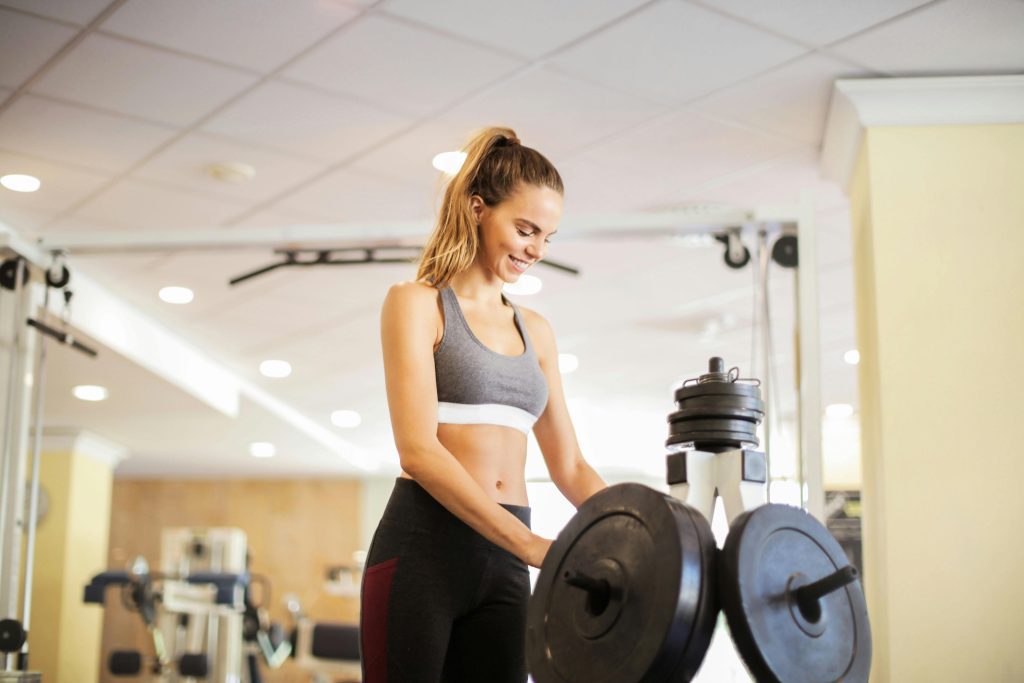
Picture this: You’ve finally decided to join a gym. Membership card in hand, brand new trainers on your feet. Then you push through those doors and suddenly everyone looks like they know exactly what they’re doing while you haven’t got a clue where to start. That knot in your stomach? That’s gym anxiety, and it’s more common than you think.
Related reading: Why Your Body Reacts When Friends Share Big Life News.
Thousands of women in the UK experience this exact feeling every single day. The weight room feels like foreign territory. The equipment looks complicated. Everyone else seems to belong there except you. Sound familiar? You’re standing at the entrance wondering if you should just turn around and go home. Maybe tomorrow. Maybe never.
Here’s what makes gym anxiety particularly frustrating: it stops you from doing something genuinely beneficial for your health. The gym itself isn’t the problem. It’s all the stories your brain tells you about being watched, judged, or doing something wrong. Most of those stories? Completely untrue.
Common Myths About Gym Anxiety and Women’s Fitness
Related reading: Gym Machines Beginners Should Use First (Without Looking Lost).
Myth: Everyone at the gym is watching and judging you
Reality: Research from the University of East London found that most gym-goers are completely focused on their own workouts, not observing others. That intimidating person on the treadmill? They’re thinking about their own form, their playlist, or what they’re having for dinner. They’re not mentally critiquing your exercise technique or outfit choice.
Myth: You need to know exactly what you’re doing before stepping foot in a gym
Reality: Every single person who looks confident in the gym right now was once a complete beginner. Nobody emerged from the womb knowing how to use a leg press. The expectation that you should somehow instinctively know everything creates unnecessary pressure. Gyms employ staff specifically to help beginners learn.
Myth: The weights area is only for men and serious athletes
Reality: This outdated belief keeps countless women from the most effective area of the gym. Strength training benefits everyone regardless of gender, and you have just as much right to be there as anyone else. According to NHS guidelines on physical activity, adults should include strength training at least twice weekly.
Understanding Why Gym Anxiety Happens to Beginner Women
You might also enjoy: Best Beginner Gym Machine Workout Routine for Women Over 40.
Gym anxiety isn’t just nervousness. It’s a legitimate response rooted in several factors that affect women specifically. Recognising where it comes from helps you address it properly.
Social conditioning plays a massive role. Many women grew up without sports or physical education that felt inclusive or encouraging. PE lessons might have been competitive, embarrassing, or focused on activities that didn’t resonate. That creates a disconnect between women and fitness spaces that persists into adulthood.
The fitness industry hasn’t helped. Gym marketing often features impossibly toned models doing advanced exercises, creating an unrealistic standard. Women’s magazines perpetuate the myth that exercise is primarily about appearance rather than strength, health, or enjoyment. This messaging fuels gym anxiety by suggesting you need to look a certain way before you even begin.
There’s also the comparison trap. Social media shows highlight reels of people who’ve been training for years. When you’re just starting out, comparing yourself to someone’s carefully curated fitness journey feels discouraging. Your brain forgets that everyone’s at a different stage.
Fear of doing something wrong amplifies anxiety. Gym equipment can look confusing if you’ve never used it. What if you can’t figure out how to adjust the seat height? What if you load weights onto a barbell incorrectly? These worries feel enormous when you’re already feeling vulnerable.
The good news? Gym anxiety decreases significantly with exposure and preparation. It’s not a permanent state. It’s something you can work through with the right strategies.
Five Practical Strategies to Reduce Gym Anxiety Before Your First Visit
Visit During Quieter Hours
Timing makes an enormous difference when you’re managing gym anxiety as a beginner woman. Most gyms have predictable patterns throughout the day.
Early mornings between 6-8am attract dedicated regulars who are focused on getting their workout done before work. Mid-morning between 9-11am and mid-afternoon between 2-4pm tend to be the quietest periods. Evenings from 5-8pm are typically the busiest, packed with people finishing work.
Ring your local gym and ask staff when their quietest times are. They’ll tell you honestly because they want you to have a positive experience. Starting during off-peak hours means more space, less waiting for equipment, and fewer people around while you build confidence.
Once you’re comfortable with the environment and routines, you can gradually shift to busier times if that suits your schedule better. But giving yourself that initial buffer of space helps tremendously.
Book an Induction or Personal Training Session
Most UK gyms include a free induction when you join. Actually book it. Don’t skip this step thinking you’ll figure everything out yourself.
During an induction, a qualified instructor walks you through the equipment, shows you how to adjust settings, explains basic exercises, and answers your questions. This removes the guesswork that fuels gym anxiety. You’ll know where everything is, how the changing rooms work, and what to do if you need help.
If your gym offers an induction, schedule it before your first proper workout. If they don’t, consider investing in one or two personal training sessions. A good trainer will create a simple programme tailored to your fitness level and teach you proper form. That investment pays off in confidence and safety.
Come prepared with questions. Write them down beforehand: How do I adjust this machine? What’s the etiquette for sharing equipment? Where should I start as a complete beginner? Instructors and trainers expect these questions and appreciate when clients ask rather than struggle silently.
Bring a Friend or Find a Workout Partner
Tackling gym anxiety becomes significantly easier with company. Ask a friend, family member, or colleague if they’d be interested in joining you.
Having someone beside you provides immediate comfort. You can encourage each other, share the learning curve, and make the experience social rather than solitary. Even if your friend isn’t particularly experienced, simply having familiar company reduces anxiety levels.
Many gyms offer guest passes or partner memberships. Take advantage of these to bring someone along for your first few visits. Once you’ve established a routine and feel more comfortable, you might continue together or branch out independently.
If none of your existing circle wants to join, look for women’s fitness groups in your area. Many communities have informal workout groups specifically for beginners. Check local Facebook groups, Meetup, or ask at your gym if they run any women-only sessions.
Have a Clear Plan Before You Arrive
Walking into the gym without knowing what you’re going to do amplifies gym anxiety tenfold. Decision fatigue hits when you’re already feeling uncertain, and suddenly everything feels overwhelming.
Write down your workout plan before you go. Keep it simple for your first few visits. Something like: 10 minutes on the treadmill walking at a comfortable pace, 10 minutes on the stationary bike, 5 minutes stretching. That’s genuinely enough to start.
Having a plan gives you purpose. You’re not wandering aimlessly wondering what to do next. You walk in, do your predetermined routine, and leave feeling accomplished.
Numerous free resources can help you create beginner-friendly gym routines. The NHS Better Health Get Active programme offers structured workout suggestions. YouTube channels like Fitness Blender provide free workout plans specifically for gym beginners.
As you become more comfortable, your plans can evolve and become more ambitious. But initially, simple and specific beats complicated and vague every single time.
Practice Self-Compassion and Realistic Expectations
The way you talk to yourself about gym anxiety matters enormously. If your internal dialogue is harsh and critical, you’ll struggle to overcome nervousness.
Acknowledge that feeling anxious about new situations is completely normal and human. You’re not weak or silly for experiencing these feelings. You’re experiencing a predictable response to unfamiliar territory.
Set realistic expectations for your first visit. Success isn’t completing an intense workout or looking like you belong. Success is simply showing up. Walking through the door. Staying for 20 minutes. Using one piece of equipment. That’s genuinely worth celebrating.
British researcher Dr. Megan Arroll, who specialises in health psychology, notes that women often hold themselves to impossibly high standards when starting fitness routines. Perfectionism becomes paralysing. Give yourself permission to be rubbish at first. Everyone is.
Treat yourself the way you’d treat a good friend in the same situation. You wouldn’t judge them harshly for being nervous or inexperienced. Extend that same kindness to yourself.
Your First Gym Visit: A Step-by-Step Walkthrough
Knowing exactly what to expect reduces gym anxiety significantly. Here’s a realistic timeline of your first visit.
- Before leaving home: Pack your bag the night before. Trainers, comfortable workout clothes, water bottle, towel, headphones if you want them. Check your gym’s opening times and plan to arrive during a quieter period you’ve identified.
- Arriving at the gym: Walk to reception and scan your membership card or check in. Staff will greet you. Smile and say hello. Head to the changing rooms, which will be clearly signposted. Change into your workout clothes. Lock your belongings in a locker (bring a padlock or check if the gym provides them).
- Entering the gym floor: Take a moment to orient yourself. Locate the area you’re planning to use first based on your workout plan. Walk there with purpose, even if you’re feeling nervous. Remember: everyone else is focused on themselves.
- Starting your workout: Begin with your first planned activity. If it’s the treadmill, step on and start at a walking pace. Most machines have quick-start buttons that begin a basic programme. Don’t worry about fancy settings initially.
- Moving between activities: Follow your written plan. If a piece of equipment you wanted is occupied, simply move to your next activity or wait briefly. People typically don’t spend more than 10-15 minutes on cardio machines.
- Finishing up: Complete your planned routine. Wipe down any equipment you’ve used with the cleaning supplies provided. Head back to the changing rooms. Shower if you want to, or change and shower at home.
- Leaving: Exit feeling proud that you did it. Seriously. You’ve overcome gym anxiety enough to complete your first visit. That’s significant.
The first visit feels like the biggest hurdle. The second visit feels noticeably easier. By your fifth visit, you’ll know where everything is and feel considerably more comfortable. The progression happens faster than you expect.
Building Confidence: Your First Four Weeks at the Gym
Overcoming gym anxiety isn’t a one-time achievement. It’s a gradual process that unfolds over several weeks. Here’s a realistic progression plan for beginner women.
Week 1: Familiarisation
Aim for two visits this week during quiet periods. Keep your workouts short and simple—20 to 30 minutes maximum. Focus entirely on cardiovascular equipment you feel comfortable with: treadmill, stationary bike, or cross-trainer. Your only goal is getting comfortable with the environment. Notice where things are located, how busy it gets at different times, and which areas feel most accessible to you.
Week 2: Expanding Your Comfort Zone
Increase to three visits if possible. Continue with familiar cardio equipment, but try adding one new machine each visit. Spend just five minutes on something different. Most cardio machines have instructions printed directly on them. Read them. Press quick-start. See how it feels. Building familiarity reduces anxiety.
Week 3: Introducing Strength Training
This week, venture into the resistance machines area. Start with machines rather than free weights—they’re more intuitive and guide your movement. Choose three basic machines: leg press, chest press, and seated row work well for beginners. Start with very light weights. Focus on learning the movement pattern, not lifting heavy. If you’re unsure, something like resistance bands can also help you practice movements at home before trying machines.
Week 4: Establishing Your Routine
Maintain three to four visits weekly. Alternate between cardio-focused days and strength-focused days. Your gym anxiety should be noticeably lower now. You recognise regular gym-goers (who still aren’t paying attention to you). You know how to use several pieces of equipment. You’ve established yourself as someone who belongs there, because you do.
This gradual progression prevents overwhelm. Each week builds on the previous one without demanding too much too quickly. Consistency matters far more than intensity when you’re starting out.
Mistakes That Increase Gym Anxiety (And How to Avoid Them)
Mistake 1: Comparing yourself to experienced gym-goers
Why it’s a problem: When you’re managing gym anxiety as a beginner woman, comparing yourself to someone who’s been training for five years is pointless and demoralising. They’ve invested hundreds of hours that you simply haven’t yet. Comparison steals your joy and progress.
What to do instead: Compare yourself only to your previous self. Did you show up today when last month you wouldn’t have? Can you walk further than you could two weeks ago? That’s your relevant comparison. Everyone else is on a completely different journey with different starting points, genetics, circumstances, and goals.
Mistake 2: Attempting complicated exercises too soon
Why it’s a problem: Watching someone do an impressive exercise on Instagram and trying to replicate it immediately is a recipe for frustration, potential injury, and heightened anxiety. Complex movements require progression and practice. Jumping ahead increases your risk of doing something incorrectly in front of others, which feeds the exact anxiety you’re trying to overcome.
What to do instead: Master the basics thoroughly before advancing. Learn proper form on fundamental movements: squats with just bodyweight, press-ups against a wall, planks held for 20 seconds. These unglamorous basics build the strength and body awareness needed for more advanced variations later. Patience wins.
Mistake 3: Going when you’re already exhausted or stressed
Why it’s a problem: Gym anxiety intensifies when your mental resources are already depleted. If you’re exhausted from work, haven’t eaten properly, or are dealing with significant stress, tackling an anxiety-inducing situation becomes much harder. You’re setting yourself up for a negative experience.
What to do instead: Choose times when you have reasonable energy and headspace. If that means going at 7am on Saturday rather than 7pm on a draining Wednesday, so be it. As your comfort level increases, you’ll be able to go even when you’re tired. But initially, stack the odds in your favour.
Mistake 4: Skipping rest days to prove dedication
Why it’s a problem: Some beginners, once they’ve overcome initial gym anxiety, swing too far in the opposite direction and start going daily. This leads to burnout, fatigue, and eventually resentment towards the gym. Rest is when your body actually adapts and gets stronger. Without it, you’re just accumulating fatigue.
What to do instead: Schedule at least two full rest days weekly. Three to four gym sessions per week provides plenty of stimulus for beginners to see results while allowing adequate recovery. Quality beats quantity consistently. Trust the process rather than trying to accelerate it through excessive frequency.
What to Wear: Practical Clothing Advice for Gym Beginners
Clothing anxiety compounds gym anxiety for many women. What if you don’t look the part? What if everyone else is wearing proper gym gear and you look out of place?
Truth is, nobody cares what you’re wearing as long as it’s appropriate for exercise. Proper gym attire means clothing that allows movement, keeps you comfortable, and provides adequate support. That’s the entire requirement.
For your first visits, comfortable leggings or joggers with a breathable t-shirt work perfectly. Prioritise function over fashion initially. Your clothes should stay in place when you move, not ride up or slip down. They should allow you to bend, reach, and stretch without restriction.
Invest in a supportive sports bra. This isn’t optional. According to research from the University of Portsmouth’s Research Group in Breast Health, inadequate breast support during exercise can cause discomfort and potentially long-term tissue damage. A proper sports bra reduces movement by up to 78%. High street shops like Marks & Spencer, Sports Direct, and Decathlon offer affordable options in various sizes and support levels.
Trainers matter more than you might think. Cross-training shoes provide versatility for different activities. Running trainers work fine if you’re mainly doing cardio. Avoid worn-out shoes with minimal support—they increase injury risk and reduce comfort, both of which can trigger anxiety about returning.
Bring a water bottle you can refill. Staying hydrated helps you feel and perform better. Many gyms provide towels, but bringing your own small towel ensures you’ve always got one for wiping equipment or your face.
As you become more comfortable, you might invest in gym-specific clothing that makes you feel confident. But initially, comfortable basics are absolutely sufficient. Don’t let clothing concerns prevent you from starting.
Dealing With Gym Anxiety in the Moment: Quick Techniques
Even with preparation, gym anxiety can spike unexpectedly during your visit. Having immediate coping strategies helps you manage rather than flee.
Breathe intentionally: When anxiety rises, your breathing becomes shallow and rapid. Counteract this with slow, controlled breaths. Inhale for four counts, hold for four counts, exhale for six counts. Repeat three times. This activates your parasympathetic nervous system, reducing the physical symptoms of anxiety.
Focus on a specific task: Anxiety thrives on vague threats and abstract worries. Ground yourself with concrete focus. Count your repetitions carefully. Pay attention to the sensation of your feet on the treadmill. Notice your muscles working. Specificity pulls you out of anxious thought spirals.
Use music or podcasts: Headphones create a psychological buffer between you and the environment. They signal that you’re in your own world, which paradoxically helps you feel less observed. Choose upbeat music that improves your mood or an engaging podcast that captures your attention.
Remind yourself of evidence: Your brain might tell you everyone’s watching and judging. Counter with facts: you’ve been here before and nothing bad happened. Most people are focused on themselves. Even if someone did glance at you, that’s neutral, not negative. Evidence beats anxious imagination.
Give yourself permission to leave: Knowing you can leave at any time reduces anxiety. You’re choosing to stay, not trapped. If anxiety becomes genuinely overwhelming, it’s completely acceptable to cut a workout short. Leaving isn’t failure—it’s listening to yourself and setting yourself up to return another day.
Women-Only Gym Sessions: Are They Worth Considering?
Many UK gyms offer women-only sessions or sections specifically to address gym anxiety and create comfortable spaces for female members. Whether these benefit you depends on your specific concerns and preferences.
Women-only spaces eliminate concerns about male attention or judgement, which some women find significant. If part of your anxiety stems from feeling observed or uncomfortable around men while exercising, these sessions provide relief. The environment often feels more relaxed and less competitive.
These sessions can serve as excellent stepping stones. Attend women-only sessions initially to build confidence and familiarity with equipment, then gradually transition to mixed sessions as your comfort increases. There’s no rule saying you must choose one permanently.
However, women-only options typically run at limited times, which might not suit your schedule. They’re also not universally available—smaller independent gyms often lack the space or membership numbers to justify separate sessions.
Some women find that women-only environments don’t actually reduce their gym anxiety because their concerns aren’t gender-specific. They’re anxious about their own competence and appearance regardless of who’s around. In these cases, focusing on building skills and confidence matters more than the composition of people present.
Consider trying a women-only session if your gym offers them and they fit your schedule. They might provide exactly the supportive environment you need initially. But if they don’t suit you or aren’t available, don’t let their absence become a barrier to starting. Mixed gym environments become comfortable with exposure and practice.
Your Gym Anxiety Survival Checklist
- Visit during quieter hours initially—ring ahead and ask staff when the gym is least busy
- Book and attend your gym induction to learn equipment properly rather than guessing
- Write your workout plan before arriving so you know exactly what you’re doing
- Start with just 20 minutes and gradually increase as confidence builds
- Bring headphones to create your own psychological space within the gym
- Wear comfortable, supportive clothing that allows free movement without adjustment
- Focus only on your own progress, never comparing yourself to experienced gym-goers
- Celebrate simply showing up, especially during those first challenging weeks
Frequently Asked Questions
How long does gym anxiety typically last for beginner women?
Most women experience significant reduction in gym anxiety within four to six weeks of consistent attendance. The first visit feels most intimidating, the second slightly easier, and by your tenth visit, the environment feels familiar rather than foreign. Everyone’s timeline differs, but regular exposure combined with building competence accelerates the process. Anxiety might never disappear completely, but it becomes manageable background noise rather than a barrier preventing you from going.
What if I need help with equipment but feel too anxious to ask?
Gym staff and personal trainers are employed specifically to help members, especially beginners. Approach the reception desk or find a staff member on the gym floor—they wear branded clothing and typically carry clipboards or tablets. Say something simple: “I’m new here and wondering if you could show me how to adjust this machine?” Staff genuinely appreciate when members ask rather than risk injury through incorrect use. Remember, they’ve answered this question hundreds of times before.
Is it normal to feel like everyone knows what they’re doing except me?
Absolutely normal, and largely an illusion. That confident-looking person on the rowing machine was terrified during their first month too. You’re noticing people who appear comfortable because those are the people who’ve stuck with it long enough to reach that stage. You’re not seeing the anxious beginners who come during different times, nor can you see other people’s internal uncertainty. Everyone starts somewhere, and many regular gym-goers still feel uncertain about new exercises or equipment.
Should I hire a personal trainer to help with gym anxiety?
Hiring a trainer for even a handful of sessions can dramatically reduce gym anxiety for beginner women. A good trainer creates a personalised programme, teaches proper form, introduces you to different areas of the gym, and provides accountability. The investment typically pays off through faster confidence-building and reduced injury risk. Look for trainers with recognised qualifications like REPS (Register of Exercise Professionals) or CIMSPA membership. Many offer introductory packages specifically for beginners.
What do I do if I make a mistake or look silly using equipment?
Mistakes are genuinely part of learning, and they matter far less than you imagine. If you adjust a machine setting incorrectly or briefly struggle with equipment, simply take a moment to figure it out or ask for help. Other gym-goers have made identical mistakes and likely didn’t even notice yours. If someone does notice, they’re thinking “we’ve all been there” not “look at that incompetent person.” Your perceived humiliation exists primarily in your own mind. Take a breath, correct the mistake, and continue.
Moving Forward With Confidence
Overcoming gym anxiety as a complete beginner woman isn’t about eliminating nervousness entirely. It’s about learning that you can feel anxious and still take action anyway. Courage isn’t the absence of fear—it’s doing something despite feeling scared.
Your first gym visit will probably feel uncomfortable. That discomfort means you’re doing something new and challenging, which is exactly how growth happens. Each subsequent visit becomes progressively easier as familiarity replaces fear.
You deserve to occupy space in the gym just as much as anyone else there. Your fitness journey is valid whether you’re lifting light weights, walking on a treadmill, or figuring out how a chest press machine works. Beginners belong in gyms. That’s literally what gyms are for.
The strategies in this article work, but only if you actually use them. Pick your quietest time. Book that induction. Write a simple plan. Pack your bag. Then go. The hardest part is starting, and you’ve already taken that first step by reading this and preparing yourself.
Start smaller than feels necessary. Twenty minutes counts. Ten minutes counts. Walking through the door and walking straight back out still counts as exposure. Build gradually from wherever you are right now. That’s where progress lives.


