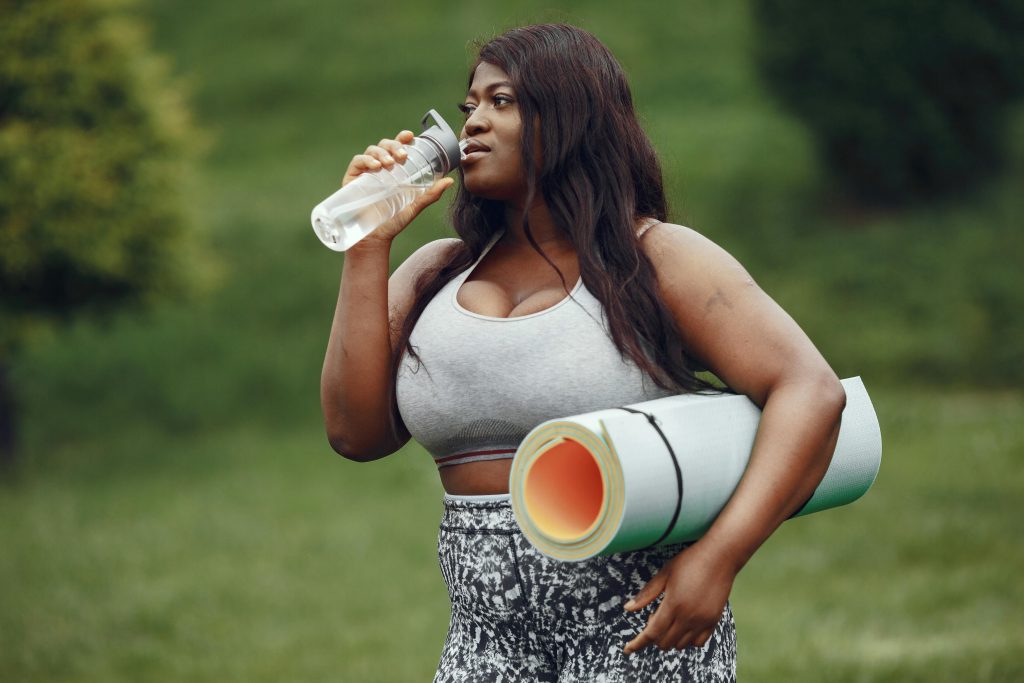
You’ve finally done it. Signed up for the gym membership, picked out your new trainers, and set your alarm for tomorrow morning. But here’s what nobody tells you about starting a beginner gym machine workout routine: the hardest part isn’t the physical effort. It’s walking past all those intimidating machines wondering if everyone’s watching you figure out which way to face on the leg press.
Related reading: Feeling Like a Total Loser? Here’s Why That’s Actually a Sign You’re Doing Better Than You Think.
Sound familiar? That moment of standing in the gym, surrounded by equipment that looks vaguely torturous, trying to appear confident while having absolutely no idea where to start. Most women abandon their beginner gym machine workout routine within three weeks, not because they can’t do it, but because nobody showed them how to navigate the gym floor without feeling like everyone’s staring. (They’re not, by the way. Everyone’s far too worried about their own form to notice yours.)
Common Myths About Starting a Beginner Gym Machine Workout Routine
Related reading: Best Beginner Gym Machine Workout Routine for Women Over 40.
Myth: You need to know everything before you start
Reality: Nobody walks into a gym knowing how to use every machine. Even regular gym-goers had to learn at some point. Starting with just 3-4 machines and mastering those properly will get you better results than attempting everything and doing it poorly. A simple beginner gym machine workout routine focusing on fundamental movements beats complexity every time.
Myth: Machines are for people who can’t do “real” workouts
Reality: Machines are brilliant for beginners because they guide your movement pattern, reducing injury risk while you build strength and confidence. They provide stability and support that free weights don’t, making them perfect for learning proper form. Professional athletes still use machines regularly.
Myth: Women should only use light weights to “tone”
Reality: The concept of “toning” is marketing nonsense. Building visible muscle definition requires progressive resistance training with challenging weights. Starting light is fine, but your beginner gym machine workout routine should gradually increase resistance. You won’t accidentally bulk up—building significant muscle requires years of dedicated training and specific nutrition.
Understanding the Essential Machines for Your Beginner Gym Machine Workout Routine
You might also enjoy: Gym Machines Beginners Should Use First (Without Looking Lost).
Walk into any commercial gym and you’ll see dozens of machines. Ignore most of them for now. Your beginner gym machine workout routine only needs five key pieces of equipment to build full-body strength effectively.
The Chest Press Machine
This machine targets your chest, shoulders, and triceps. Adjust the seat height so the handles align with mid-chest level. Your feet should sit flat on the floor, back pressed firmly against the pad. Push the handles forward until your arms extend (don’t lock your elbows), then control the weight back slowly. That controlled return is where muscle growth happens.
Most women start with 5-10kg, but forget the numbers. Choose a weight that challenges you for 10-12 repetitions but doesn’t compromise your form. Research from the NHS shows that strength training twice weekly provides optimal benefits for bone density and metabolic health.
The Lat Pulldown Machine
Picture yourself pulling down from overhead to strengthen your back, shoulders, and biceps. Adjust the thigh pad to secure your legs comfortably. Grip the bar slightly wider than shoulder-width, lean back about 10 degrees, and pull the bar down toward your upper chest. Your elbows should travel down and back, not just straight down.
Many beginners make this harder than necessary by using momentum. Focus on a smooth, controlled movement taking 2-3 seconds to pull down and 3-4 seconds to return. This machine is crucial in any proper beginner gym machine workout routine because back strength improves posture and reduces that hunched-over-desk-job look.
The Leg Press Machine
This powerhouse machine works your quadriceps, hamstrings, and glutes. Position yourself with your feet hip-width apart on the platform, knees aligned with your toes. Release the safety handles and lower the platform until your knees reach roughly 90 degrees, then push through your heels to extend your legs.
Never lock your knees at the top, and don’t let your knees cave inward during the movement. Starting weight varies hugely between individuals. Some women begin with 20kg, others with 60kg. Both are perfectly fine. Your beginner gym machine workout routine should challenge you without causing pain beyond normal muscle fatigue.
The Seated Row Machine
Another back-builder that complements the lat pulldown by targeting the middle back muscles. Sit upright with your chest against the pad, grab the handles, and pull them toward your torso. Squeeze your shoulder blades together at the end of each repetition, pause briefly, then return to the starting position with control.
Common mistake? Pulling with your arms instead of your back. Think about driving your elbows backward rather than pulling your hands. This subtle mental shift activates the correct muscles and makes this piece essential in your beginner gym machine workout routine.
The Leg Curl Machine
Your hamstrings (back of thighs) need direct attention, and this machine delivers. Either lying or seated versions work brilliantly. Position the pad just above your ankles, secure yourself properly, and curl your heels toward your bottom. Control the weight back down rather than letting gravity do the work.
Strong hamstrings balance out quad-dominant leg training, reduce knee injury risk, and improve running efficiency. Many women neglect this machine, focusing only on squats and leg presses, then wonder why their legs look unbalanced.
Your 4-Week Beginner Gym Machine Workout Routine Blueprint
Right then. Theory covered. Now for the actual beginner gym machine workout routine you’ll follow for the next month. This progressive plan builds strength systematically while allowing proper recovery.
Week 1-2: Foundation Phase
Visit the gym two times weekly with at least one rest day between sessions. Your entire workout should take 30-35 minutes including warm-up.
Warm-up: Five minutes on any cardio machine at easy pace (treadmill, bike, or cross-trainer)
- Chest Press: Complete 2 sets of 10 repetitions with lighter weight. Focus entirely on learning the movement pattern. Rest 90 seconds between sets.
- Lat Pulldown: Perform 2 sets of 10 reps. Take your time adjusting the seat and finding the right grip width. Rest 90 seconds.
- Leg Press: Execute 2 sets of 12 reps. Start conservatively with weight selection. Your legs can handle more than you think, but master the technique first. Rest 2 minutes.
- Seated Row: Complete 2 sets of 10 reps. Really concentrate on squeezing those shoulder blades together. Rest 90 seconds.
- Leg Curl: Finish with 2 sets of 12 reps. Control the eccentric (lowering) phase especially carefully. Rest 90 seconds.
Cool-down: Spend 5 minutes stretching the major muscle groups you worked
Week 3-4: Progressive Overload Phase
Continue twice weekly, but now increase either the weight or repetitions. Your beginner gym machine workout routine progresses by adding one more set to each exercise.
- Chest Press: Build up to 3 sets of 10-12 reps. Add 2-5kg if 12 reps feels comfortable.
- Lat Pulldown: Progress to 3 sets of 10-12 reps. Maintain strict form over adding weight prematurely.
- Leg Press: Advance to 3 sets of 12-15 reps. Add weight in 5-10kg increments when you can complete 15 reps easily.
- Seated Row: Increase to 3 sets of 10-12 reps. Feel free to experiment with different handle attachments.
- Leg Curl: Expand to 3 sets of 12-15 reps. Consistency matters more than weight here.
Track everything. Write down weights, reps, and how you felt. Progression becomes measurable rather than guesswork when you log your beginner gym machine workout routine properly.
What Actually Happens During Your First Month
Let’s be honest about expectations. Week one, you’ll feel uncertain and probably a bit self-conscious. Your muscles will ache in places you didn’t know existed. This is normal adaptation, not injury. Studies referenced by the BBC confirm that delayed onset muscle soreness typically peaks 24-48 hours after unfamiliar exercise.
Week two brings noticeable confidence improvements. You’ll walk past machines knowing exactly what they do and how to adjust them. The weights that felt heavy initially now move more smoothly. This neural adaptation happens before visible muscle growth—your brain gets better at recruiting muscle fibers efficiently.
By week three, other people might start noticing improved posture. You’ll definitely notice increased energy levels throughout the day. Sleep quality often improves because your body has physical stress to recover from, not just mental stress from work.
Week four is where many women seriously consider whether this beginner gym machine workout routine might become a permanent habit. The gym transforms from intimidating unknown territory into your space. Regular members recognize your face. You start helping other confused newcomers figure out seat adjustments.
Mistakes to Avoid (And How to Fix Them)
Mistake 1: Using momentum instead of muscle control
Why it’s a problem: Swinging weights or using jerky movements recruits the wrong muscles and increases injury risk. You’re essentially making the exercise easier by letting momentum do the work your muscles should be doing.
What to do instead: Reduce the weight by 20-30% and focus on smooth, deliberate movements. Count to three during the lowering phase of every rep in your beginner gym machine workout routine. If you can’t control the weight, it’s too heavy regardless of what anyone else is lifting.
Mistake 2: Skipping rest days completely
Why it’s a problem: Muscle growth happens during recovery, not during workouts. Training the same muscles daily without rest leads to chronic fatigue, increased injury risk, and ironically slower progress than training less frequently.
What to do instead: Schedule at least one full rest day between gym sessions. Active recovery like walking or gentle yoga is fine, but give those worked muscles 48 hours before the next beginner gym machine workout routine session.
Mistake 3: Comparing your starting point to someone else’s middle
Why it’s a problem: The woman effortlessly leg pressing 100kg has likely trained for years. Comparing her current abilities to your week-one performance creates unnecessary discouragement and might push you to attempt weights your body isn’t ready for.
What to do instead: Compare yourself only to last week’s version of you. Did you add one rep? Increase weight by 2kg? Finish the workout feeling accomplished instead of defeated? That’s progress worth celebrating.
Mistake 4: Holding your breath during repetitions
Why it’s a problem: Breath-holding spikes blood pressure dangerously and reduces oxygen delivery to working muscles, making you fatigue faster and potentially causing dizziness.
What to do instead: Breathe out during the hard part (pushing or pulling) and breathe in during the easier return phase. This pattern becomes automatic with practice and significantly improves performance in your beginner gym machine workout routine.
Mistake 5: Training through sharp pain
Why it’s a problem: Muscle fatigue and burn are normal. Sharp, stabbing, or joint pain signals something wrong—potentially a form issue or underlying problem that needs addressing before it becomes serious.
What to do instead: Stop immediately if you experience sharp pain. Reassess your form, reduce the weight, and if pain persists, consult a physiotherapist. One missed workout beats six weeks of forced rest from injury.
Building Long-Term Success Beyond Your First Month
Month two of your beginner gym machine workout routine should introduce variety to prevent plateaus and boredom. Consider adding the shoulder press machine for complete upper body coverage. The abdominal crunch machine provides core work that complements everything else.
Progressive overload remains crucial. This doesn’t always mean adding weight. You can increase sets, increase reps, decrease rest periods, or slow down the tempo. All create additional stimulus for adaptation.
Something like a simple workout journal (digital or paper) makes tracking straightforward. Record the date, exercises, weights, sets, and reps. Note how you felt. Notice patterns between sleep quality, nutrition, and workout performance. This data becomes invaluable for troubleshooting plateaus later.
Many women find that joining a morning or evening class one day weekly adds variety while maintaining the structure of their beginner gym machine workout routine. Body pump, spinning, or circuit training classes complement machine-based strength work beautifully without requiring you to abandon what’s working.
Here’s what’s interesting: research from exercise psychology studies shows that habits typically solidify after 66 days of consistent practice. Your four-week foundation gets you two-thirds of the way there. The second month matters enormously for cementing this as lifestyle rather than temporary project.
Nutrition Basics That Support Your Beginner Gym Machine Workout Routine
Training creates the stimulus. Food provides the building blocks for adaptation. You don’t need complicated meal plans or expensive supplements, but basic nutrition principles matter.
Protein intake becomes more important when strength training. Aim for roughly 1.6-2.2g per kilogram of body weight daily, spread across three to four meals. Greek yoghurt, eggs, chicken, fish, lentils, and tofu all provide quality protein. Timing matters less than meeting your daily total.
Carbohydrates fuel your workouts and replenish muscle glycogen afterwards. Complex carbs like oats, brown rice, sweet potato, and wholegrain bread provide sustained energy better than sugary quick fixes. Don’t fear carbs—they’re essential for performance in your beginner gym machine workout routine.
Hydration affects everything from strength output to recovery speed. Drink water consistently throughout the day rather than chugging a litre right before training. Pale yellow urine indicates proper hydration. Dark yellow suggests you need more water.
Something worth noting: a basic set of meal prep containers makes hitting nutritional targets significantly easier. Preparing protein and carb sources on Sunday for the week ahead removes daily decision fatigue. You’re more likely to eat well when food is already prepared and waiting.
Your Beginner Gym Machine Workout Routine Checklist
- Schedule two gym sessions weekly with at least one rest day between
- Master the five essential machines: chest press, lat pulldown, leg press, seated row, leg curl
- Warm up for 5 minutes before lifting and stretch for 5 minutes afterwards
- Focus on controlled movement over heavy weights during weeks 1-2
- Progress to three sets per exercise during weeks 3-4
- Log every workout including weights, sets, reps, and how you felt
- Prioritize protein intake of 1.6-2.2g per kg bodyweight daily
- Maintain proper hydration throughout the day, not just during workouts
Your Beginner Gym Machine Workout Routine Questions Answered
How long before I see visible results from this beginner gym machine workout routine?
Strength improvements happen first, typically within 2-3 weeks as your nervous system adapts. Visible muscle definition usually becomes noticeable around 6-8 weeks with consistent training and proper nutrition. Remember that progress photos reveal changes better than daily mirror checks because you see yourself constantly. Take photos every four weeks from multiple angles to track genuine progress rather than relying on subjective daily assessments.
What if the gym feels too intimidating to start this beginner gym machine workout routine?
Visit during off-peak hours initially—weekday mornings or early afternoons tend to be quieter than after-work rush. Most gyms offer free induction sessions where staff show you around equipment. Take advantage of this even if it feels awkward. Remember that literally everyone in that gym was once a complete beginner who felt exactly how you feel now. Nobody is judging you.
Can I do this beginner gym machine workout routine if I’ve never exercised before?
Absolutely. Machines are specifically designed with beginners in mind, providing guided movement patterns that free weights don’t offer. Start with the absolute lightest weight available on each machine for the first session just to learn the movement. Your only competition is yesterday’s version of yourself. If you have any pre-existing injuries or medical conditions, consult your GP before starting, but general fitness training is suitable for most people.
Should I do cardio alongside this beginner gym machine workout routine?
Cardiovascular exercise provides different benefits than strength training—improved heart health, endurance, and calorie expenditure. Adding 20-30 minutes of moderate cardio on non-lifting days works brilliantly for overall fitness. Walking, cycling, swimming, or group fitness classes all complement strength work. Just ensure cardio doesn’t compromise recovery from your lifting sessions. Listen to your body and adjust intensity accordingly.
What should I do after completing this four-week beginner gym machine workout routine?
Option one involves continuing the same routine but progressively increasing weights and reps to keep challenging your muscles. Option two introduces additional machines like shoulder press, cable machines, or leg extension to expand exercise variety. Option three transitions gradually toward free weights like dumbbells while maintaining some machine work. Many women find a hybrid approach works best—keeping favourite machines while slowly exploring new equipment types as confidence builds.
Moving Forward From Here
Look, starting a beginner gym machine workout routine won’t transform your life overnight. It’s not magic. But consistent effort over weeks and months creates compound results that genuinely surprise most women who stick with it.
You’ll walk differently—shoulders back, head up—because your postural muscles are stronger. Carrying shopping bags becomes effortless. Playing with kids or grandkids doesn’t leave you breathless. That nagging lower back discomfort from desk work gradually diminishes as your core strengthens.
Better yet, the confidence gained from mastering something initially intimidating spills into other life areas. If you can learn to navigate a gym floor and progressively lift heavier weights, what else might you be capable of that currently seems impossible?
The first session will feel awkward. Accept that now. By session four, you’ll notice genuine improvement. By the end of month one, this beginner gym machine workout routine becomes simply what you do on Tuesdays and Fridays. Not a special event requiring motivation speeches. Just part of your weekly rhythm.
Start smaller than feels necessary if that helps you actually begin. Two exercises instead of five? Fine. One gym session weekly instead of two? Better than zero. Build from wherever you are right now, not from where you think you should be. Progress compounds regardless of starting point.


